What Is the Economic Value of Nature and Why Is It Important?
TL;DR
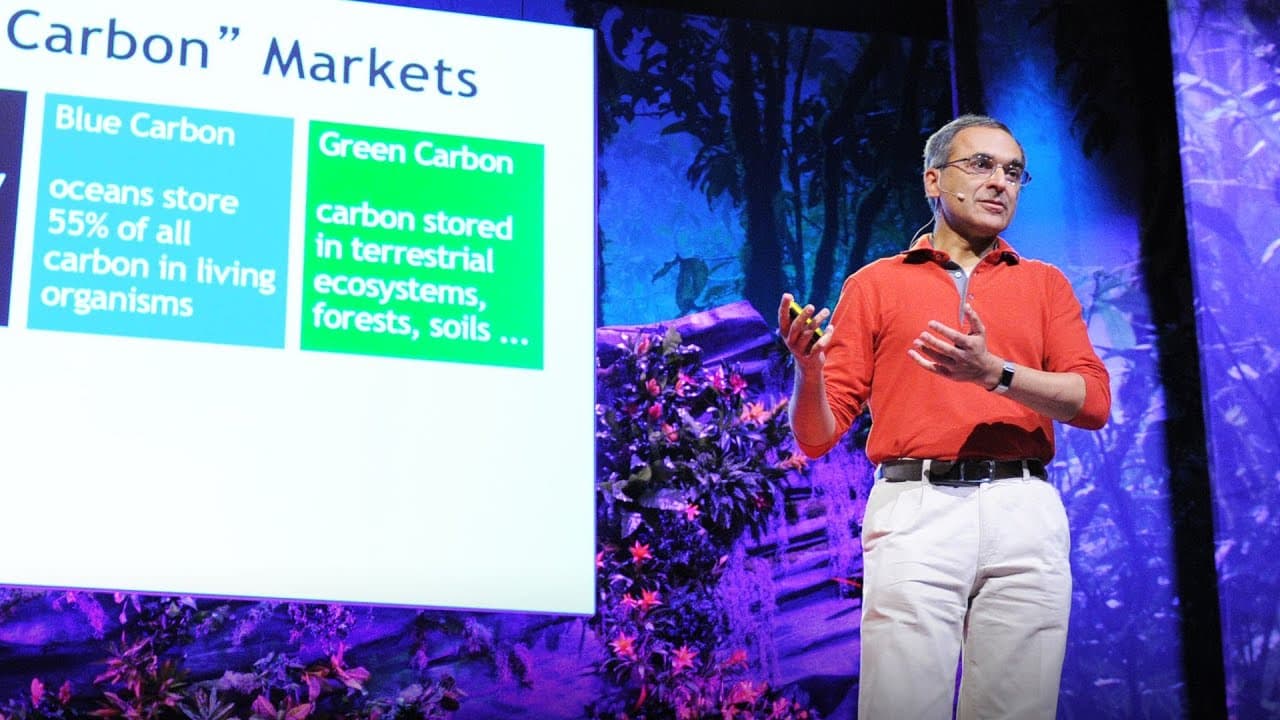
The economic value of nature is critical yet often ignored, as many benefits like biodiversity and ecosystem services are not priced or accounted for. It’s estimated that we lose $2 to $4 trillion in natural capital annually, impacting our well-being and the livelihoods of billions. Recognizing and integrating natural capital into economic models is essential for sustainable development and conservation efforts.
Transcript
I'm here to talk to you about the economic invisibility of nature. The bad news is that mother nature's back office isn't working yet, so those invoices don't get issued. But we need to do something about this problem. I began my life as a markets professional and continued to take an interest, but most of my recent effort has been looking at the v... Read More
Key Insights
- 🌎 The economic invisibility of nature is a problem that needs to be addressed. The value of nature's benefits, such as rainforests' role in rainfall cycles and bee-based pollination, often goes unrecognized and uncompensated.
- 🌿 In 2008, it was revealed that the world was losing natural capital at a rate of two to four trillion dollars, comparable to the financial loss during the banking crisis. This loss of natural capital has significant implications for our well-being.
- 💧 Rainforests, like the Amazon, play a crucial role in water regulation and agricultural economies, but those who benefit from these rain cycles do not pay for this vital input. The economic invisibility of nature must be addressed to avoid the degradation of valuable natural assets.
- 🐟 The depletion of ocean fisheries is affecting the livelihoods of approximately one billion people who depend on fish for their main source of animal protein. This loss of fish is a significant health and human problem that needs to be addressed.
- 🌳 Poor communities are the ones who depend the most on ecosystem services provided by nature, whether it's flood prevention, drought control, or access to resources like leaf litter and fuel wood. Protecting these ecosystem services is crucial for sustainable development.
- 💼 Recognizing natural capital at the national and business sector levels is essential. Calculating and disclosing externalities will allow for better management of the impacts businesses have on nature and society.
- 📊 The creation of green carbon markets is crucial, as it will help address emissions from deforestation and agricultural practices that contribute to global emissions. This can be achieved through schemes like REDD Plus, which have already seen some progress.
- 🐠 Coral reefs are essential for the food and livelihoods of over half a billion people, but as we exceed 350 parts per million of carbon dioxide in the atmosphere, reefs are at risk of extinction. Our ethical choices regarding climate change and natural resource use have significant consequences for the future of coral reefs and those who depend on them.
Install to Summarize YouTube Videos and Get Transcripts
Explore YouTube Video Summarizer or Get YouTube Transcript Extractor
Questions & Answers
Q: What is the project called TEEB and who started it?
The project called TEEB was started in 2007 by a group of environment ministers of the G8+5.
Summary & Key Takeaways
-
The economic invisibility of nature is a problem that needs to be addressed.
-
The TEEB project was started in 2007 to address the economic invisibility of nature and has produced various reports on the topic.
-
Biodiversity and ecosystem services provided by nature have significant economic value, but are often not priced or accounted for in traditional economic models.
Read in Other Languages (beta)
Share This Summary 📚
Summarize YouTube Videos and Get Video Transcripts with 1-Click
Try YouTube Summary with ChatGPT & Claude or YouTube Transcript Generator
Explore More Summaries from TED 📚


Summarize YouTube Videos and Get Video Transcripts with 1-Click
Try YouTube Summary with ChatGPT & Claude or YouTube Transcript Generator