Status of Small Satellite Constellation Mission Discussed during Pre-launch Briefing
TL;DR
The Cygnus mission is NASA's inaugural launch for its EarthVenture program, focusing on studying hurricanes using reflected GPS signals to measure surface winds.
Transcript
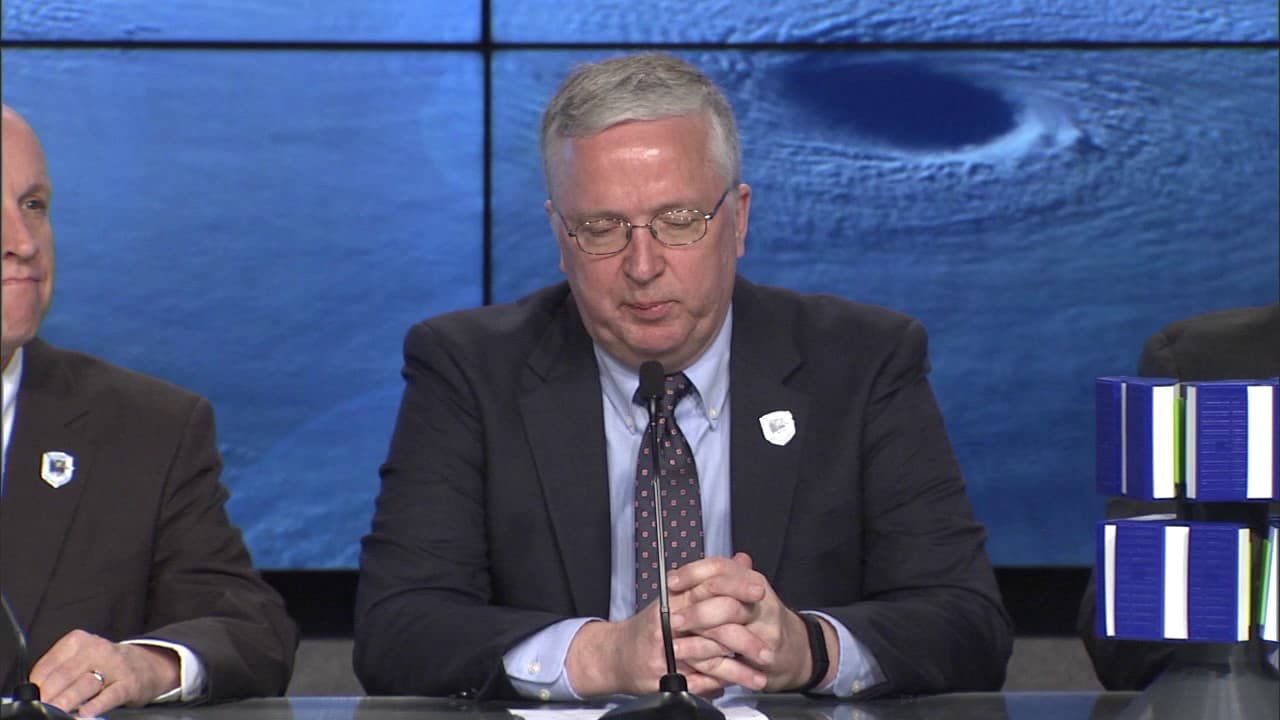
hello everyone this is the pre-launch news conference for nasa's cygnus mission scheduled for launch on pegasus rocket on monday morning and here to discuss the upcoming mission the countdown and the launch we have with us chris bonaxen the cygnus program executive from the earth science division in the science mission directorate at nasa headquart... Read More
Key Insights
- 🎟️ The Cygnus mission is part of NASA's EarthVenture program, which focuses on innovative, low-cost missions for studying Earth's processes.
- 💨 The mission aims to study hurricanes and gain insights into their intensity and growth by measuring surface winds.
- 🧠 Cygnus will be able to see through rain, providing data on areas where it's raining, which is a significant advantage over other missions.
- 🚀 The Pegasus launch vehicle was chosen for its cost-effectiveness and capability to launch smaller payloads.
- 🛰️ The mission involves launching eight satellites, each with a lifespan of at least five years.
- 🚀 The launch will take place from the Kennedy Space Center, and weather conditions will play a crucial role in determining the launch window.
- 🚀 The L-1011 Stargazer aircraft will carry the Pegasus rocket to the launch point, offering flexibility and cost savings.
- 💃 The mission has undergone extensive testing and preparations, including system checks, combined tests, and dress rehearsals.
Install to Summarize YouTube Videos and Get Transcripts
Explore YouTube Video Summarizer or Get YouTube Transcript Extractor
Questions & Answers
Q: What is the purpose of the Cygnus mission?
The primary goal of the mission is to study hurricanes and gain a better understanding of their intensity and growth. By measuring surface winds using reflected GPS signals, Cygnus will provide valuable information about the dynamic energy within hurricanes.
Q: How does Cygnus differ from other missions studying hurricanes?
Unlike other missions, Cygnus will be able to see through rain using its unique frequency. This ability allows Cygnus to provide data about areas where it's raining, which is crucial for understanding hurricane dynamics.
Q: What is the lifespan of the eight Cygnus satellites?
The baseline mission for the satellites is two years. However, each satellite is built to last five years or more. The decision to continue operational the satellites beyond the baseline mission will be based on their performance and scientific value.
Q: Why was the Pegasus launch vehicle chosen for this mission?
Pegasus was chosen for its low cost and capability to launch smaller payloads like the Cygnus spacecraft. It offers a flexible and cost-effective solution for launching scientific missions.
Summary & Key Takeaways
-
The Cygnus mission is part of NASA's EarthVenture program, which focuses on low-cost missions that explore innovative science related to Earth's processes.
-
Cygnus will use reflected GPS signals to study surface winds during hurricanes, which is crucial for understanding their intensity and growth.
-
The mission involves launching eight small satellites that will be able to see through rain and provide valuable data on hurricane dynamics.
Read in Other Languages (beta)
Share This Summary 📚
Summarize YouTube Videos and Get Video Transcripts with 1-Click
Try YouTube Summary with ChatGPT & Claude or YouTube Transcript Generator
Explore More Summaries from NASA 📚

Summarize YouTube Videos and Get Video Transcripts with 1-Click
Try YouTube Summary with ChatGPT & Claude or YouTube Transcript Generator