The global learning crisis -- and what to do about it | Amel Karboul
TL;DR
This content highlights the importance of investing in education and the potential impact it can have on children worldwide.
Transcript
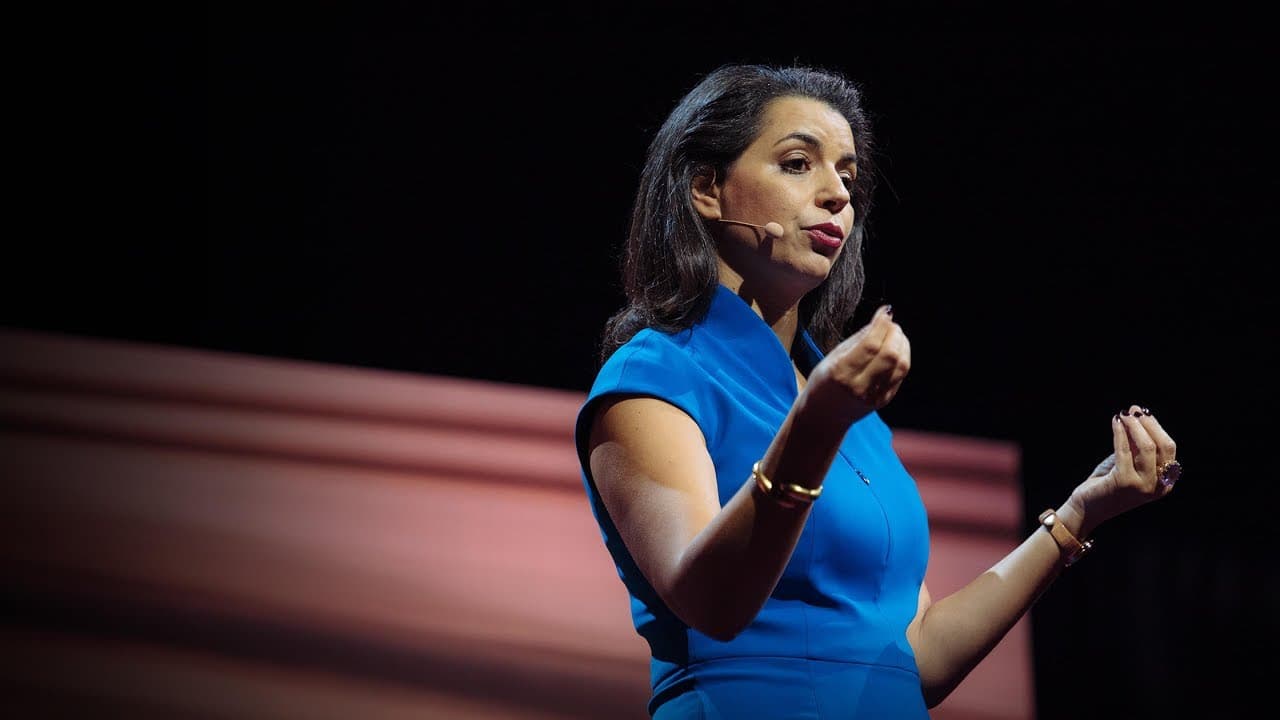
I'm the product of a bold leadership decision. After 1956, when Tunisia became independent, our first president, Habib Bourguiba, decided to invest 20 percent of the country's national budget in education. Yes, 20 percent, on the high end of the spectrum even by today's standards. Some people protested. What about infrastructure? What about electri... Read More
Key Insights
- 🏛️ Investing in education is essential infrastructure for a country, as educated minds are the most important resource a nation can have.
- 🧠 There is a global learning crisis, with 330 million children in school failing to learn, and by 2030, half of the world's children and youth will be either out of school or failing to learn.
- 🌍 By learning from the best education systems at their own income level, every child in the world can be in school and learning within one generation.
- 📝 Systematic learning assessments are not widespread enough in developing countries, making it difficult to prioritize education spending and deliver results.
- 💰 Domestic financing should be the backbone of education investment, with countries increasing their investment in education and pooling donor money to provide more finance for education.
- 👥 The Pioneer Country Initiative, which focuses on shared planning and ruthless follow-up, has successfully increased the pass rate for students in secondary education in Tanzania.
- 💻 Technology can be central to learning, allowing schools to be brought to children, even in remote areas.
- 🌍 Education is the civil rights struggle of our generation, and quality education for all is the freedom fight that needs to be won.
Install to Summarize YouTube Videos and Get Transcripts
Explore YouTube Video Summarizer or Get YouTube Transcript Extractor
Questions & Answers
Q: What was the bold leadership decision made by Tunisia's first president regarding education?
Tunisia's first president, Habib Bourguiba, decided to invest 20 percent of the country's national budget in education after the country gained independence in 1956.
Q: What were some of the concerns raised by the people regarding this decision?
Some people protested and raised concerns about the allocation of funds. They questioned whether investing in infrastructure, such as electricity, roads, and running water, should take priority over education.
Q: What impact did the decision to invest in education have on Tunisia?
The decision to invest in education led to the establishment of free, high-quality education for both boys and girls in Tunisia. Many Tunisians, including the speaker, feel deeply indebted to that historic decision.
Q: What is the global learning crisis as mentioned in the video?
The global learning crisis refers to the fact that not only are approximately a quarter of a billion children out of school, but even more alarming is the fact that 330 million children who are in school are failing to learn.
Q: What does the speaker propose as a solution to the learning crisis?
The speaker suggests shifting the world's focus from just counting the number of bodies in classrooms to assessing how many are actually learning. By learning from the best-performing countries within their income levels and implementing similar strategies, it is possible to have every child in school and learning within one generation.
Q: Why does the speaker believe there is a need to change education systems to focus on delivering results?
The speaker argues that without knowing if children are learning, it is difficult for teachers to direct their attention towards delivering better results. Additionally, governments and political parties may question the value of education and reduce spending if children are not acquiring the necessary skills.
Q: How is technology being utilized to provide access to education in remote or underprivileged areas?
One example mentioned in the video is the media center solution in the Amazonas state of Brazil. Specialized content teachers based in urban areas deliver lessons via livestream to classrooms in remote communities. These classrooms are supported by tutoring teachers who adapt the lesson plans to suit the local context. This approach allows access to high-quality education even in areas where qualified teachers are scarce.
Q: How is the "Learning Generation" being made a reality?
The speaker mentions two initiatives. The first is the Pioneer Country Initiative, which involves over 20 countries committing to make education a priority and transforming their education systems to deliver results. The second initiative focuses on financing, with a finance facility for education being established to provide more funds for education and support countries that commit to reforming their systems.
Summary & Key Takeaways
-
Tunisia's investment in high-quality education after gaining independence led to the speaker's personal success and is a model for addressing the global learning crisis.
-
Currently, a quarter of a billion children are out of school, and 330 million children who are in school are failing to learn.
-
By adopting successful strategies from countries at similar income levels, it is possible to ensure every child has access to education and is learning.
Read in Other Languages (beta)
Share This Summary 📚
Summarize YouTube Videos and Get Video Transcripts with 1-Click
Try YouTube Summary with ChatGPT & Claude or YouTube Transcript Generator
Explore More Summaries from TED 📚
Summarize YouTube Videos and Get Video Transcripts with 1-Click
Try YouTube Summary with ChatGPT & Claude or YouTube Transcript Generator