Doggy Rehab | National Geographic
TL;DR
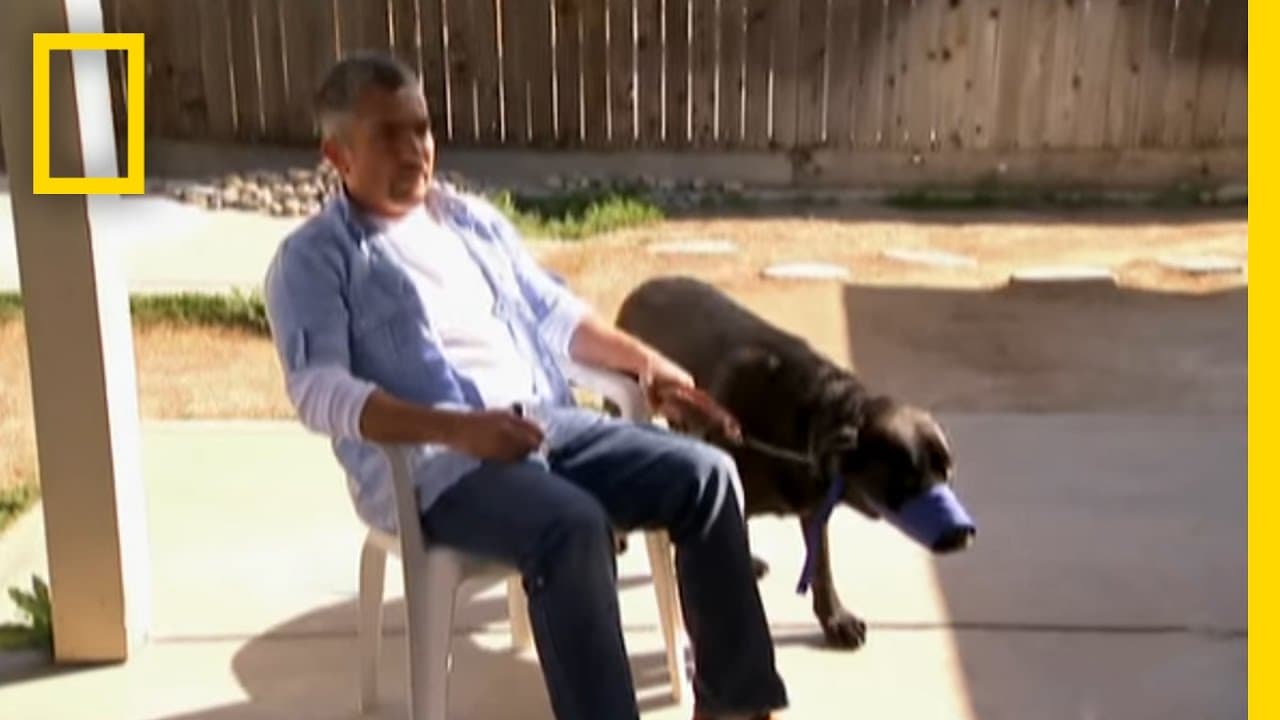
Dog Behaviorist Caesar works to rehabilitate Kujo, a nervous and aggressive dog, through exercise, discipline, and affection.
Transcript
only after Kujo is restrained on the leash does Caesar allow the camera crew into the yard with him it was hard for me to bring the crew because everything make him nervous so when I had him in the zone of him relaxing any movement would totally trigger and so very important that you know so now the closer he is to me the more I get there we go rig... Read More
Key Insights
- ☺️ Caesar emphasizes the importance of creating a relaxed environment to rehabilitate nervous and aggressive dogs.
- 🤵 Introducing a muzzle helps assess a dog's aggression levels and understand their triggers.
- 🤵 Rehabilitation for dogs often involves intensive training and therapy to address behavioral issues.
- 🖐️ The human's behavior and energy play a significant role in a dog's rehabilitation process.
- 🤵 Naming a dog after an aggressive film character can negatively impact the human-dog relationship.
- 🦻 Removing dogs from their original environment can provide a fresh perspective and aid in rehabilitation.
- 🤵 Exercise, discipline, and affection are crucial components of rehabilitating and transforming a dog's behavior.
Install to Summarize YouTube Videos and Get Transcripts
Explore YouTube Video Summarizer or Get YouTube Transcript Extractor
Questions & Answers
Q: How does Caesar calm down Kujo before introducing him to the camera crew?
Caesar uses a psychological leash and creates a relaxed environment to help Kujo calm down and minimize triggers that would cause him to panic.
Q: How does Caesar assess Kujo's aggression?
Caesar introduces Kujo to a muzzle to observe his reaction and assess his aggression levels. He pays attention to changes in breathing and quick movements that signify nervousness.
Q: Why does Caesar want to take Kujo to his Dog Psychology Center?
Caesar believes that Kujo is a candidate for rehabilitation at the center, where he can work with him intensively and address his aggression and nervousness through training and therapy.
Q: How does Caesar address the psychological implications of Kujo's name?
Caesar believes that naming Kujo after the scariest dog in cinema history creates negative energy and projects an unhealthy image of the dog. He renames him Joe to change the perception and energy surrounding him.
Summary & Key Takeaways
-
Caesar uses a psychological leash and relaxation techniques to calm Kujo before introducing him to the camera crew.
-
After Kujo relaxes, Caesar introduces him to a muzzle and observes his reaction to assess his aggression.
-
Caesar plans to take Kujo to his Dog Psychology Center for rehabilitation, working with him intensively for at least a month.
Read in Other Languages (beta)
Share This Summary 📚
Summarize YouTube Videos and Get Video Transcripts with 1-Click
Try YouTube Summary with ChatGPT & Claude or YouTube Transcript Generator
Explore More Summaries from National Geographic 📚



Summarize YouTube Videos and Get Video Transcripts with 1-Click
Try YouTube Summary with ChatGPT & Claude or YouTube Transcript Generator