Psychosis: Making and Inhabiting a Different Reality
TL;DR
Psychosis is a misunderstood phenomenon where individuals experience a different reality than others, and this analysis explores the process of perception, the role of prior knowledge, and the potential imbalances that can lead to hallucinations.
Transcript
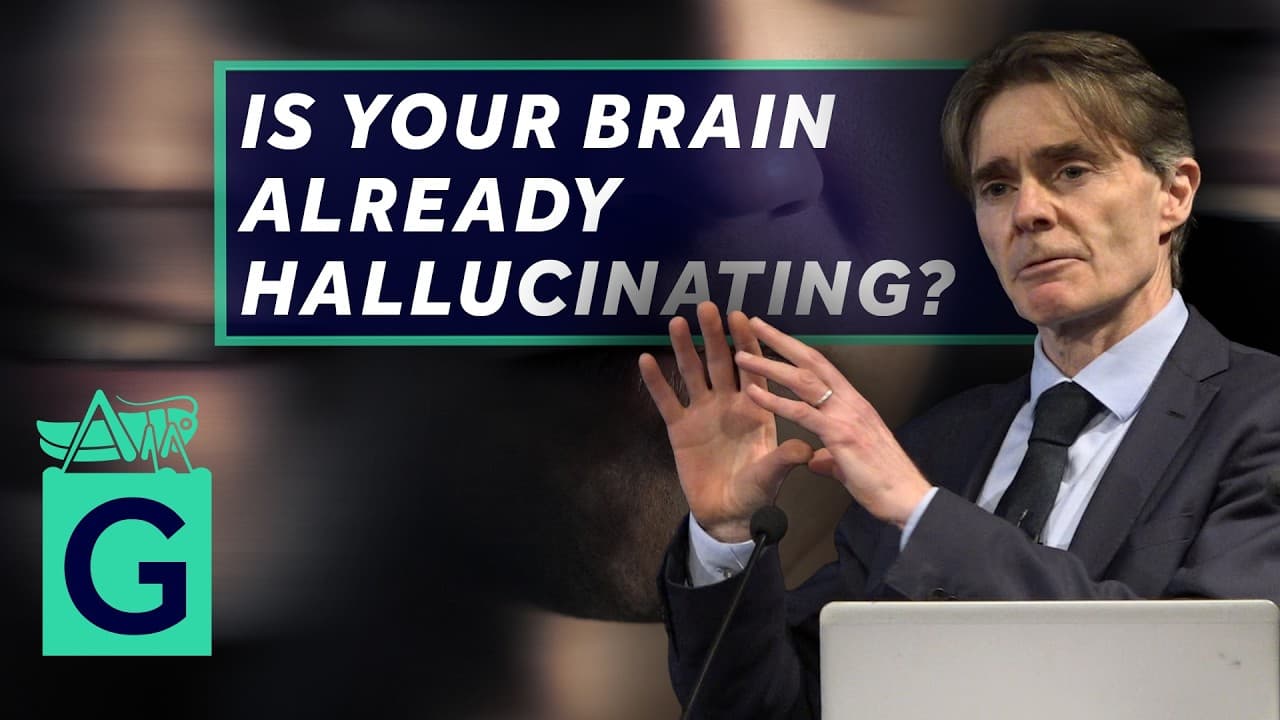
I'm a psychiatrist I trained in medicine about two or three hundred yards from where we are in Bart's hospital and at a very early stage as a medical student I became very interested in the phenomenon of psychosis psychosis is a deeply misunderstood frequently misused term frequently abused and sometimes abusive term and it broadly refers to when s... Read More
Key Insights
- 💋 Psychosis refers to a condition where individuals experience a different reality than others, often marked by hallucinations and delusions.
- 🧠 Perception involves the brain's ability to make predictions based on prior knowledge, integrating sensory input to create a coherent reality.
- 🥺 Imbalances in perception, such as the overriding of sensory input by prior knowledge, can lead to hallucinations and a deviation from objective reality.
- 🥺 Prior knowledge and expectations are crucial in providing context and disambiguating sensory input, but their imbalance can lead to distortions in perception.
- 🧑🏭 Psychosis is a multifaceted phenomenon influenced by factors like sensory deprivation, chemical disturbances, and traumatic experiences.
- 👨🔬 Research has shown that individuals with psychosis display altered integration of prior knowledge and sensory input, highlighting the significance of understanding perception in treating psychosis.
- ❓ Drug-induced alterations in perception, such as those caused by ketamine, can mimic aspects of psychosis, further supporting the role of perception in the condition.
Install to Summarize YouTube Videos and Get Transcripts
Explore YouTube Video Summarizer or Get YouTube Transcript Extractor
Questions & Answers
Q: What is psychosis?
Psychosis refers to a condition where individuals experience a reality that is different from the shared reality of others. It is characterized by hallucinations (abnormal perceptions of the world) and delusions (irrational beliefs).
Q: How does prior knowledge influence perception?
Prior knowledge plays a crucial role in perception by allowing the brain to make predictions about the world based on past experiences. This helps in disambiguating sensory input and creating a coherent perception of reality.
Q: Can imbalances in perception lead to hallucinations?
Yes, imbalances in perception can lead to hallucinations. When the brain's expectations or prior knowledge override the sensory input, individuals may perceive something that isn't objectively there. This can happen due to various factors, including sensory deprivation, chemical disturbances, or trauma.
Q: How can understanding the mechanisms of perception help in treating psychosis?
Understanding how perception works in individuals with psychosis can aid in developing more effective treatments. It can inform cognitive therapies, behavioral interventions, and potentially lead to the development of pharmacological treatments that target specific imbalances in perception.
Summary & Key Takeaways
-
Psychosis is a complex and often misunderstood phenomenon where individuals experience a reality that differs from others.
-
Perception involves the brain's ability to make predictions based on prior knowledge and integrate incoming sensory input.
-
Imbalances in perception can lead to hallucinations, which are perceptions of something that isn't objectively there.
Read in Other Languages (beta)
Share This Summary 📚
Summarize YouTube Videos and Get Video Transcripts with 1-Click
Try YouTube Summary with ChatGPT & Claude or YouTube Transcript Generator
Explore More Summaries from Gresham College 📚

Summarize YouTube Videos and Get Video Transcripts with 1-Click
Try YouTube Summary with ChatGPT & Claude or YouTube Transcript Generator