How to Improve Gut Health with Dr. Michael Ruscio
TL;DR
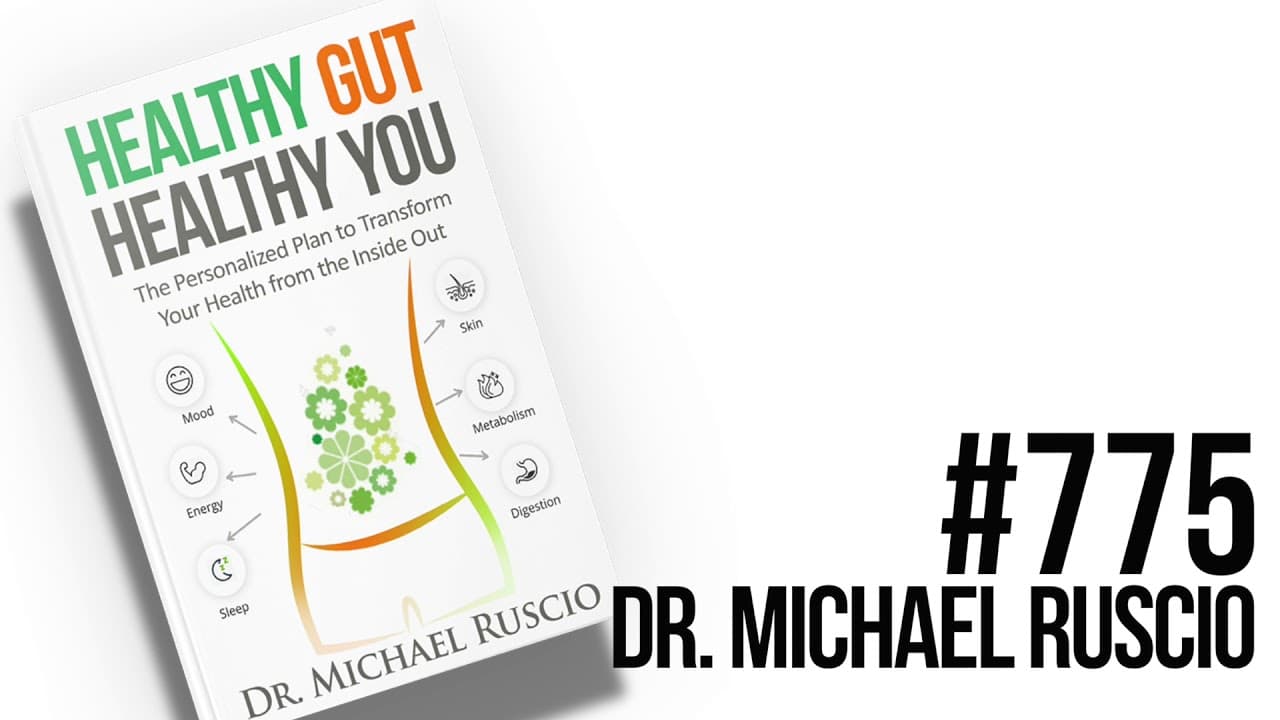
Dr. Michael Ruscio discusses the importance of individualized approaches to gut health, emphasizing that what works for one person may not work for another. He highlights the complexity of gut health and the need for a step-by-step approach to identify effective treatments. His book, 'Healthy Gut, Healthy You,' offers a comprehensive guide to improving gut health through personalized strategies.
Transcript
if you want to pump your body and expand your mind there's only one place to go mind with your hosts Sal de Stefano Adam Schaefer and Justin Andrews do doctor Ruscio one of one of my favorite people I'm so glad we connected with him a while ago he's like our our resident gut health expert buff good-looking doctor guy he's also become a really good ... Read More
Key Insights
- Dr. Michael Ruscio emphasizes the importance of individualized gut health approaches.
- Gut health is complex, with many variables and unknowns affecting individual responses.
- Ruscio's book provides a step-by-step guide for improving gut health tailored to individuals.
- Non-celiac gluten sensitivity is a legitimate condition affecting a minority of people.
- The carnivore diet may offer short-term benefits but is not recommended long-term.
- Fasting can be beneficial for gut health by giving the digestive system a break.
- Probiotics have been shown to positively impact both anxiety and depression.
- Children with behavioral issues may benefit from gut health interventions.
Install to Summarize YouTube Videos and Get Transcripts
Explore YouTube Video Summarizer or Get YouTube Transcript Extractor
Questions & Answers
Q: How to improve gut health?
Improving gut health involves a personalized approach, as what works for one person may not work for another. Start with dietary changes, focusing on whole foods and potentially eliminating common irritants like gluten. Ruscio's book, 'Healthy Gut, Healthy You,' provides a comprehensive guide with step-by-step strategies tailored to individual needs.
Q: What is non-celiac gluten sensitivity?
Non-celiac gluten sensitivity is a condition where individuals experience symptoms similar to celiac disease, such as bloating and headaches, without having celiac disease. Research shows that a minority of people are affected by this sensitivity, and it can be confirmed through elimination and reintroduction of gluten under medical guidance.
Q: Why is the carnivore diet not recommended long-term?
The carnivore diet, which involves consuming only animal products, may provide short-term relief for some gut issues by eliminating potentially irritating plant compounds. However, it is not recommended long-term due to the lack of dietary diversity and potential nutritional deficiencies. A balanced diet with a variety of foods is generally more sustainable.
Q: What are the benefits of fasting for gut health?
Fasting can benefit gut health by giving the digestive system a break, allowing it to heal and reset. It may also help reduce inflammation and improve gut motility. Studies have shown that fasting can be particularly beneficial for individuals with IBS and IBD, contributing to improved symptoms and overall gut function.
Q: How do probiotics affect mental health?
Probiotics have been shown to have a positive impact on mental health, particularly in reducing symptoms of anxiety and depression. They help balance the gut microbiome, which is closely linked to brain function through the gut-brain axis. Regular probiotic intake can support mental well-being as part of a comprehensive gut health strategy.
Q: What are common symptoms of poor gut health?
Common symptoms of poor gut health include digestive issues like bloating, constipation, and diarrhea. However, non-digestive symptoms such as fatigue, brain fog, skin rashes, and joint pain can also be linked to gut health. Identifying and addressing underlying gut issues can help alleviate these symptoms and improve overall health.
Q: How does gut health affect children's behavior?
Children's behavior can be significantly influenced by gut health. Imbalances in the gut microbiome may contribute to behavioral issues such as irritability and attention problems. Addressing gut health through dietary changes and probiotics can lead to improvements in behavior and overall well-being in children.
Q: What is the role of diet in gut health?
Diet plays a crucial role in gut health, as the foods we consume directly impact the gut microbiome. A diet rich in whole, unprocessed foods supports a healthy gut environment. Eliminating common irritants like gluten and incorporating probiotics and prebiotics can further enhance gut health and support overall well-being.
Summary & Key Takeaways
-
Dr. Michael Ruscio discusses the complexity of gut health, emphasizing that individualized approaches are crucial. He advocates for a step-by-step method to identify effective treatments, as outlined in his book 'Healthy Gut, Healthy You.'
-
Ruscio explains that non-celiac gluten sensitivity is a real condition affecting a minority of people. He also discusses the potential short-term benefits of the carnivore diet for gut health but advises against its long-term use.
-
Fasting is highlighted as a beneficial practice for gut health, offering the digestive system a break. Additionally, Ruscio notes that probiotics can positively impact mental health, including anxiety and depression.
Read in Other Languages (beta)
Share This Summary 📚
Summarize YouTube Videos and Get Video Transcripts with 1-Click
Try YouTube Summary with ChatGPT & Claude or YouTube Transcript Generator
Explore More Summaries from Mind Pump Show 📚





Summarize YouTube Videos and Get Video Transcripts with 1-Click
Try YouTube Summary with ChatGPT & Claude or YouTube Transcript Generator