CREATE LIQUIDITY POOL RAYDIUM ✅ Liquidity Pool on Solana Step-by-Step
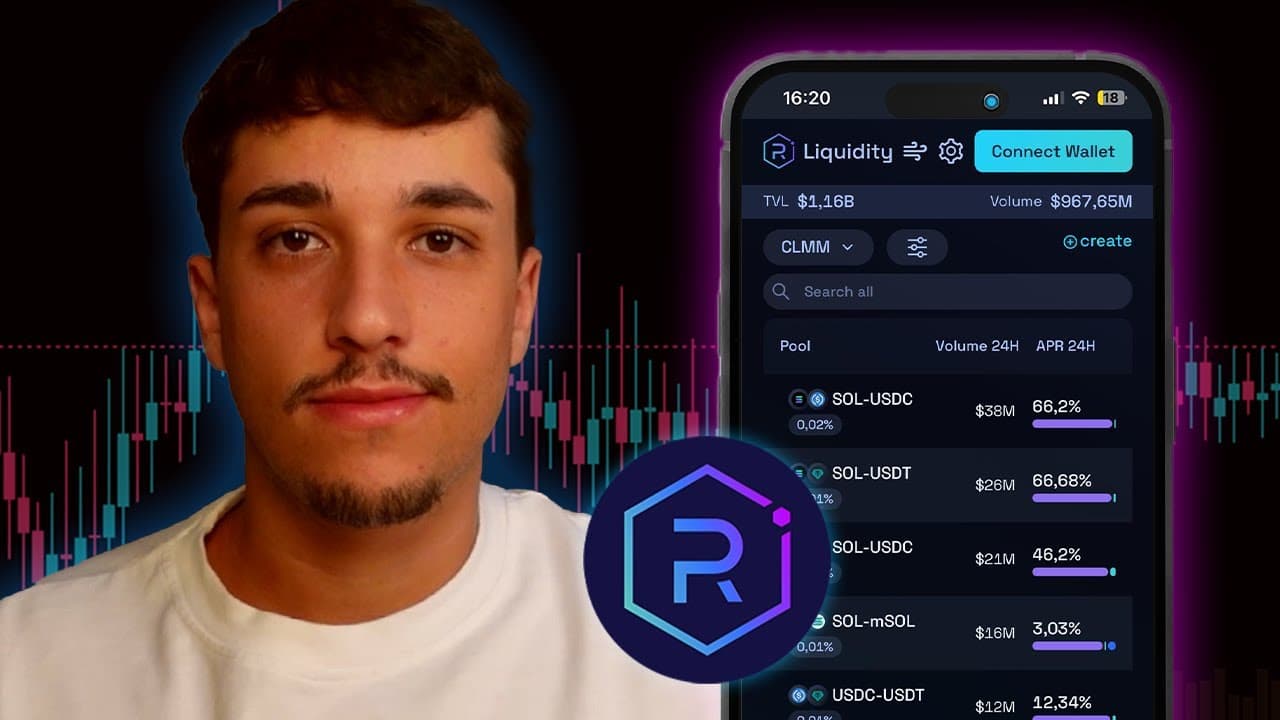
TL;DR
Learn to create a Solana liquidity pool using Raydium in 5 minutes.
Transcript
if you want to create a liquidity pool this video is for you I'm going to show you how to create a liquidity pool on Solana for your token step by step without coding and in just 5 minutes in a previous tutorial we have seen how to create our own Solana token without coding in just one 2 minutes here you have the whole video with ... Read More
Key Insights
- The tutorial provides a step-by-step guide to creating a liquidity pool on Solana using Raydium, emphasizing ease and accessibility without coding expertise.
- Raydium is chosen for its open access, allowing anyone to create a liquidity pool without the need for an application process, unlike other platforms like Orca.
- The process involves setting up a base token and a quote token, with Solana or USDC recommended for their established liquidity pools and pricing structures.
- Key parameters such as minimum order size and price tick size must be configured to define the smallest price movement and minimum purchase amount for the token.
- The tutorial stresses the importance of preparing tokenomics and strategy before launching the liquidity pool to ensure success and market stability.
- Creating the market incurs a small fee in Solana, highlighting the need for some initial capital to cover transaction costs.
- Once the pool is created, there is a waiting period of up to an hour for the token to be listed and available for swapping on Raydium.
- The video also offers guidance on listing the token on Jupiter Exchange, providing a comprehensive approach to launching and marketing a new Solana token.
Install to Summarize YouTube Videos and Get Transcripts
Explore YouTube Video Summarizer or Get YouTube Transcript Extractor
Questions & Answers
Q: What is the primary platform used for creating the liquidity pool in this tutorial?
The primary platform used in this tutorial is Raydium, a decentralized exchange (DEX) on the Solana blockchain. Raydium is chosen for its open access, allowing anyone to create a liquidity pool without needing to apply, unlike some other platforms which require an application process.
Q: Why is it important to set the minimum order size and price tick size?
Setting the minimum order size and price tick size is crucial because it defines the smallest amount a buyer can purchase and the smallest price movement allowed for the token. These parameters help maintain market stability and ensure that the liquidity pool operates efficiently, preventing excessive volatility.
Q: What are the recommended quote tokens for creating a liquidity pool?
The tutorial recommends using Solana or USDC as quote tokens when creating a liquidity pool. These tokens are preferred because they already have established liquidity pools and pricing structures, which can help provide stability and facilitate easier price setting for the new token being launched.
Q: What is the significance of preparing tokenomics before launching a liquidity pool?
Preparing tokenomics is significant because it involves planning the distribution and allocation of tokens, setting liquidity amounts, and strategizing for market entry. A well-prepared tokenomics strategy ensures that the token launch is successful, with adequate liquidity and market support, reducing the risk of failure and volatility.
Q: How long does it take for a token to be listed after creating a liquidity pool?
After creating a liquidity pool, there is typically a waiting period of about 10 to 60 minutes for the token to be listed and available for swapping on Raydium. This delay allows the system to process the new pool and integrate it into the exchange's trading environment.
Q: What additional steps are suggested after creating the liquidity pool?
After creating the liquidity pool, the tutorial suggests listing the token on additional exchanges, such as Jupiter Exchange, to increase its market presence. This involves following a separate tutorial to ensure the token is accessible to a broader audience, enhancing its trading potential and market reach.
Q: What transaction costs are involved in creating a liquidity pool?
Creating a liquidity pool involves transaction costs that are paid in Solana. The tutorial mentions that these costs are relatively low, typically around 2.53 SOL, and cover the process of setting up the market and adding liquidity. It's important for users to have some initial capital to cover these expenses.
Q: Why is Raydium preferred over other platforms like Orca for this process?
Raydium is preferred over platforms like Orca because it allows users to create liquidity pools without needing to apply or wait for approval. This open access makes it more user-friendly and accessible, especially for those looking to quickly launch a token on the Solana blockchain without extensive procedural delays.
Summary & Key Takeaways
-
This tutorial demonstrates how to create a liquidity pool on Solana using Raydium. It offers a step-by-step guide, emphasizing the simplicity and speed of the process, which requires no coding skills and takes approximately five minutes to complete.
-
Raydium is chosen for its accessibility, allowing users to create liquidity pools without needing to apply, as would be necessary with other platforms. The video guides viewers through setting up a base token and selecting a quote token like Solana or USDC.
-
Important considerations include setting the minimum order size and price tick size, preparing a solid tokenomics strategy, and managing transaction costs. The tutorial also covers post-creation steps like listing the token on exchanges for broader market access.
Read in Other Languages (beta)
Share This Summary 📚
Summarize YouTube Videos and Get Video Transcripts with 1-Click
Try YouTube Summary with ChatGPT & Claude or YouTube Transcript Generator