The Battle Against Gatekeeping In Prajina And Oshin Fandom!
TL;DR
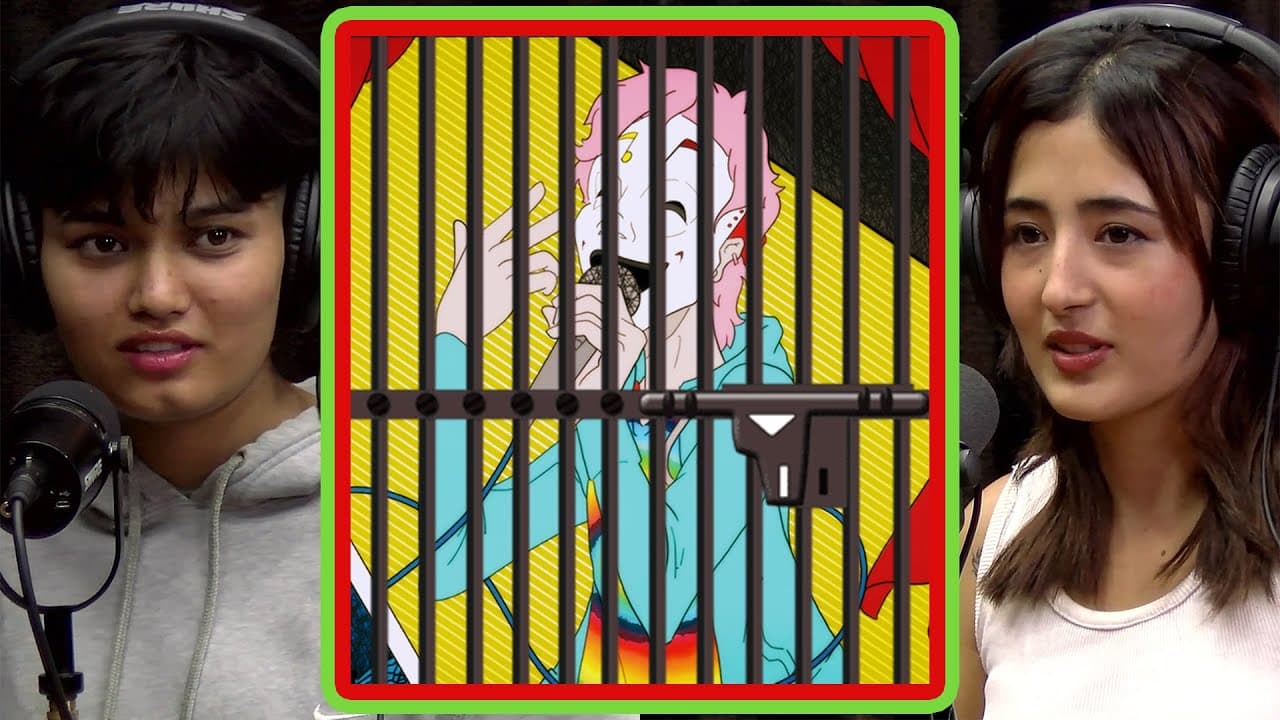
Gatekeeping involves withholding knowledge or enjoyment of a niche interest to retain exclusivity.
Transcript
You Know Thee for speech IGN speech ] no what is the gatekeeping culture uh so gatekeeping if you like something it's like underground not a lot of people know about it feel like like foreign speech ] fore fore speech that's called gatekeeping you don't share like good things to other people because you want to be like one of the few people who kno... Read More
Key Insights
- ⛔ Gatekeeping is often associated with niche cultures where knowledge or appreciation of specific interests is limited to a select few.
- 🥺 Individuals who engage in gatekeeping typically feel a strong emotional connection to the interests they protect, which can lead to possessive attitudes.
- 💡 This culture of exclusivity can alienate newcomers, preventing a healthy exchange of ideas and experiences within a broader community.
- ❓ Gatekeeping can foster feelings of superiority among those who hoard knowledge or interests, which can affect interpersonal relationships.
- 🥰 The phenomenon is not limited to music or art; it can occur in any domain where enthusiasts want to maintain control over who participates.
- 🔇 The speaker suggests that while exclusivity can be appealing, it ultimately undermines the communal spirit of passion-driven interests.
- 👻 Awareness of gatekeeping behavior can promote inclusivity and allow for diverse participation, enriching shared interests.
Install to Summarize YouTube Videos and Get Transcripts
Explore YouTube Video Summarizer or Get YouTube Transcript Extractor
Questions & Answers
Q: What is the main concept of gatekeeping as described in the content?
Gatekeeping is the practice of restricting access to specific interests or knowledge within a community, often by individuals who possess a strong attachment to a niche aspect of culture. It creates an environment where sharing is discouraged to preserve a sense of elitism or exclusivity among a select group of enthusiasts.
Q: How does the speaker compare gatekeeping to personal relationships?
The speaker likens gatekeeping to possessiveness in relationships, where an individual may feel reluctant to share something they value, such as music or interests, due to a fear of losing its uniqueness. This attachment mirrors the concern of feeling threatened if the object of one’s affection is shared with others.
Q: Why do individuals engage in gatekeeping behaviors?
People engage in gatekeeping to maintain a perceived status or control over cultural assets. By not sharing, they create an "in-group" that reinforces their identity as connoisseurs or true fans. This exclusivity can lead to a deeper connection among those who share these niche interests while alienating outsiders.
Q: How can gatekeeping be detrimental within communities?
While gatekeeping can create exclusive circles, it can also hinder community growth and shared enjoyment. It may discourage new fans or interests from developing, perpetuating an elitist culture where valuable insights or experiences are kept hidden, ultimately stifling innovation and diversity within the community.
Summary & Key Takeaways
-
Gatekeeping is described as the act of possessing niche knowledge or interests, often leading individuals to withhold information from others to maintain a sense of exclusivity.
-
The speaker relates gatekeeping to possessiveness in relationships, emphasizing how people may not want to share their favorite music or interests with others to keep them unique.
-
The phenomenon reflects a desire for control over who gets access to certain cultural elements, which can foster a sense of belonging among those "in the know."
Read in Other Languages (beta)
Share This Summary 📚
Summarize YouTube Videos and Get Video Transcripts with 1-Click
Try YouTube Summary with ChatGPT & Claude or YouTube Transcript Generator