Book Recommendations | Lisa Feldman Barrett and Lex Fridman
TL;DR
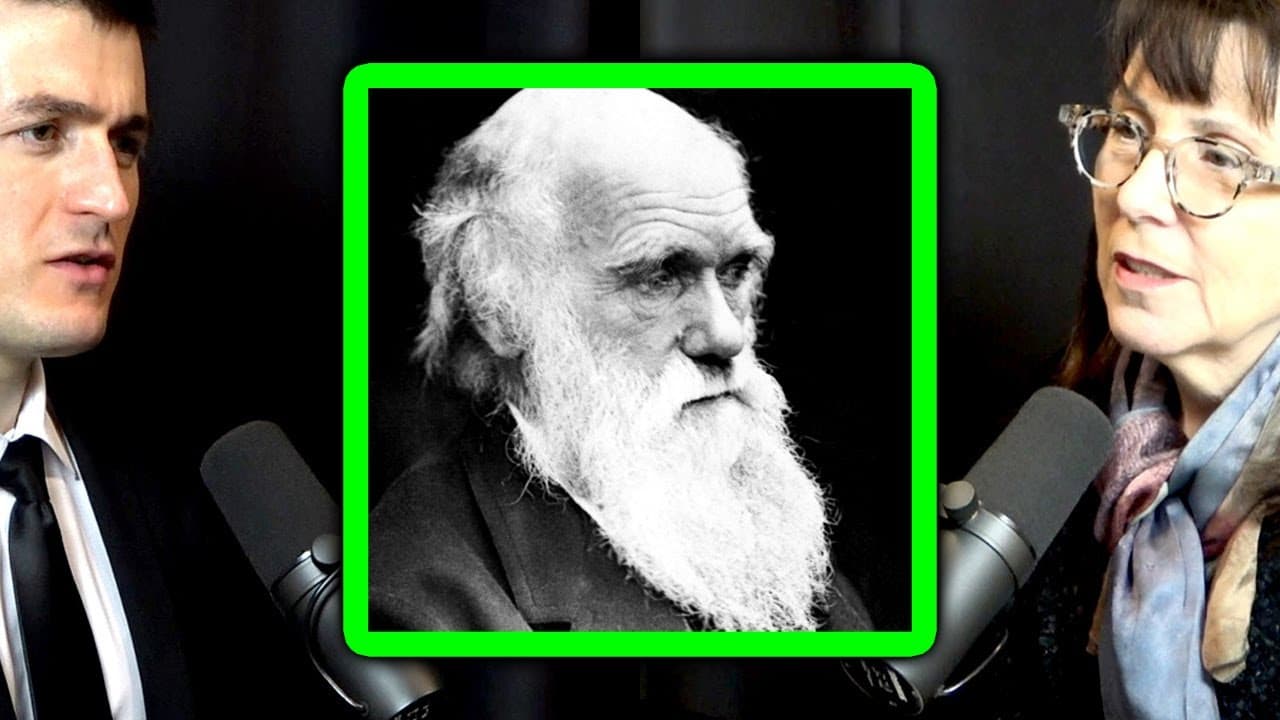
Lisa Barrett recommends several books, including "The Triple Helix" and "Biology as Ideology," and discusses the cultural construct of the mind and the intelligence of readers in popular science books.
Transcript
people love book recommendations let me ask what three books oh you can't just like you can't just give me three i mean like really three what uh seven and a half books you can recommend so you're also the author of seven and a half lessons about the brain your uh author of uh how emotions are made okay so definitely those are the top two recommend... Read More
Key Insights
- 🤔 Complexity and population thinking challenge essentialism in understanding individuals.
- ⛔ The assumptions made in current scientific practices can limit our understanding.
- 🤯 Our theory of mind is influenced by cultural constructs and may not be universally applicable.
- 👋 Good science writing combines storytelling with grounded evidence.
- 🥰 Love stories with unexpected or gentle relationships can make compelling narratives.
- 😀 Lisa Barrett prefers happy or hopeful endings in stories.
- 🎓 The limitations of intelligence in readers and the balance between entertainment and education in science communication are important considerations.
Install to Summarize YouTube Videos and Get Transcripts
Explore YouTube Video Summarizer or Get YouTube Transcript Extractor
Questions & Answers
Q: What is the book "The Triple Helix" about?
"The Triple Helix" explores complexity and population thinking, challenging the idea of essentialism and emphasizing the complexity of nature and nurture in shaping individuals.
Q: What is the main idea behind "Biology as Ideology"?
"Biology as Ideology" highlights the problematic ontological commitments of current scientific practices and challenges the assumptions that limit our understanding of the world.
Q: What is "Naming the Mind" about?
"Naming the Mind" by Kurt Danziger explores the origin of our theory of mind and how it is influenced by cultural constructs, revealing that the idea of distinct thoughts and feelings is not universal.
Q: How did Lisa Barrett approach writing her book "How Emotions Are Made"?
Lisa Barrett read around 50 to 60 popular science books to understand how to write a successful popular science book. She focused on writing for a specific person, personalizing the content.
Summary & Key Takeaways
-
Lisa Barrett recommends "The Triple Helix" by Richard Lewontin, which explores complexity and population thinking.
-
She suggests reading "Biology as Ideology" by Richard Lewontin to understand the limitations of current scientific practices.
-
Lisa Barrett also recommends "Naming the Mind" by Kurt Danziger, which discusses the origins of our theory of mind.
Read in Other Languages (beta)
Share This Summary 📚
Summarize YouTube Videos and Get Video Transcripts with 1-Click
Try YouTube Summary with ChatGPT & Claude or YouTube Transcript Generator
Explore More Summaries from Lex Clips 📚


Summarize YouTube Videos and Get Video Transcripts with 1-Click
Try YouTube Summary with ChatGPT & Claude or YouTube Transcript Generator