Hangout: Cause an Uproar for Big Cats | National Geographic
TL;DR
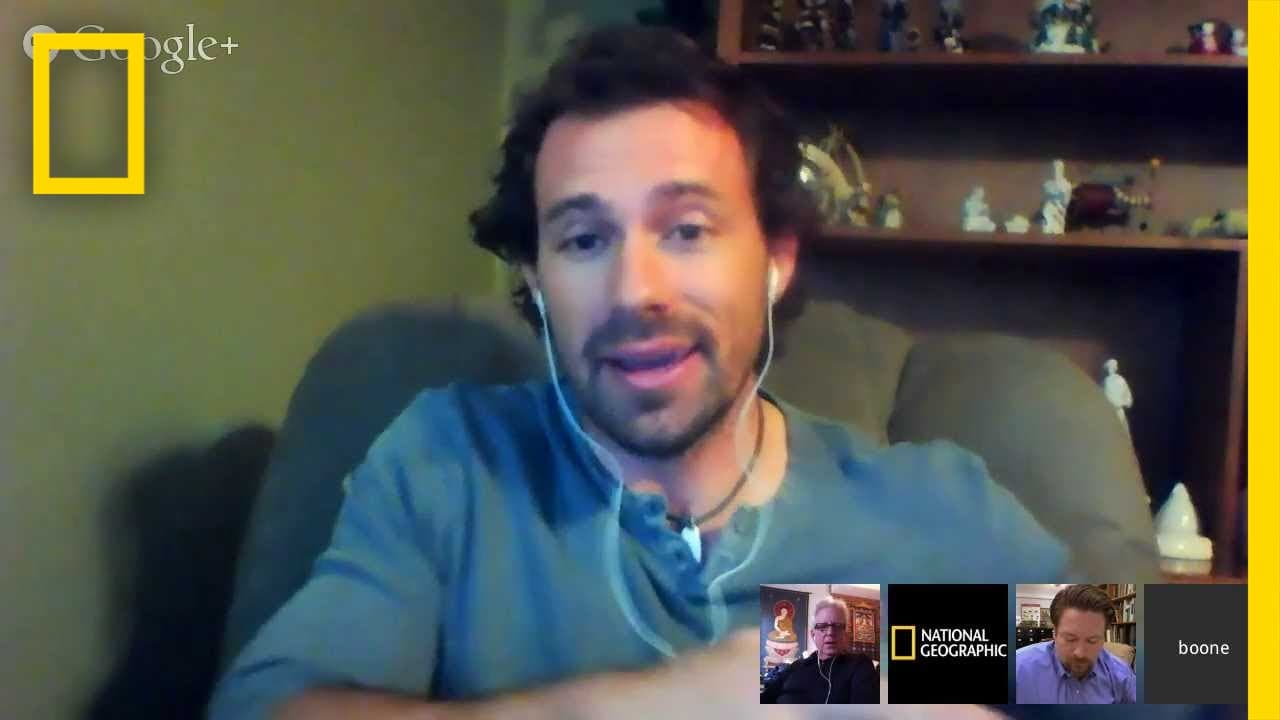
National Geographic hosts a Google+ hangout to discuss the endangered felines and the work being done to conserve them.
Transcript
Welcome to our Google+ hangout celebrating 125 years ofation hello everyone and welcome to National Geographics Google Plus hangout for the big cats initiative on this Google on this giving Tuesday I'm Luke dollar a National Geographic Explorer and I help manage the big cats initiative it's big cat week at National Geographic and today we're talkin... Read More
Key Insights
- 😃 Conservation efforts focus on protecting the prey and preserving the habitats of big cats.
- 😃 Conflict between humans and big cats is a major threat to their survival, and efforts are being made to educate and provide incentives to local communities.
- 💪 Building strong partnerships with local communities and supporting their livelihoods are crucial for successful conservation efforts.
- 🎓 Education and awareness programs, including the Big Cats Initiative's sister school program, play a vital role in inspiring future generations to protect big cats.
Install to Summarize YouTube Videos and Get Transcripts
Explore YouTube Video Summarizer or Get YouTube Transcript Extractor
Questions & Answers
Q: How did Amy Dickman get started as a big cat conservationist and what does she specifically do?
Amy Dickman has always been fascinated by big cats and began her career working with the wildlife conservation research unit at Oxford University. She started her own work in Tanzania, focusing on protecting lions and working with local communities to reduce conflicts.
Q: What is the most critically endangered big cat species?
The most critically endangered big cat species is the tiger, with only around 3,000 left in the wild. Other endangered big cat species include snow leopards, lions, and cheetahs.
Q: How do photographers like Steve Winter capture the emotion of big cats in their photographs?
Photographers spend a significant amount of time in the field, getting to know the behavior and movements of the big cats. They wait for the perfect moment to capture the emotion and connection between the animals, often observing their interactions with their young.
Q: What are the limits in terms of safety when tracking and studying big cats in the field?
Safety is a top priority for researchers and photographers working with big cats. They rely on local guides and experts to ensure both their own safety and the safety of the animals. Reading the body language and respecting the boundaries of the cats is essential to prevent any dangerous situations.
Summary & Key Takeaways
-
The Google+ hangout celebrates 125 years of big cat conservation and raises awareness about the endangered felines.
-
Participants include photographer Steve Winter, big cat tracker Boon Smith, and big cat conservationists Amy Dickman and LEL Lickfeld.
-
The hangout discusses the participants' involvement in big cat conservation and the need for protection and awareness.
Read in Other Languages (beta)
Share This Summary 📚
Summarize YouTube Videos and Get Video Transcripts with 1-Click
Try YouTube Summary with ChatGPT & Claude or YouTube Transcript Generator
Explore More Summaries from National Geographic 📚


Summarize YouTube Videos and Get Video Transcripts with 1-Click
Try YouTube Summary with ChatGPT & Claude or YouTube Transcript Generator