Why Does the Problem of Evil Challenge God's Existence?
TL;DR
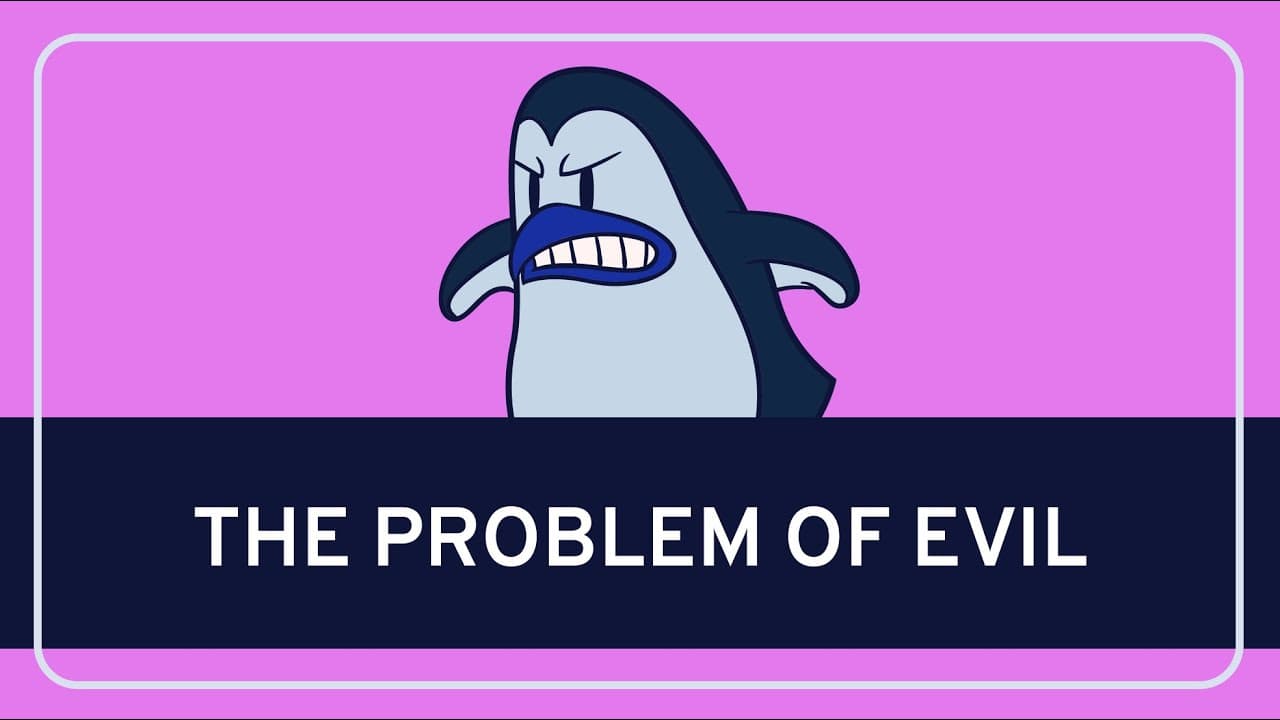
The Problem of Evil argues against the existence of an all-knowing, all-powerful, and wholly good God by highlighting the presence of evil in the world. If such a God existed, there would be no evil. The contradiction between the existence of evil and the concept of a perfect God suggests that belief in such a God is irrational.
Transcript
(intro music) My name is Sally Haslanger, and I'm a professor of philosophy at MIT. Today, we're going to discuss an argument in favor of atheism, in favor of the belief that God doesn't exist. Let's start with some definitions. "Theism" - that's "the belief that God exists." So, "atheism": "the belief that God doesn't exist." Rational theism is on... Read More
Key Insights
- The Problem of Evil questions the existence of a perfect God due to the presence of evil.
- Rational theism is belief in God based on evidence, whereas arational theism is based on faith without evidence.
- Irrational theism is belief in God despite evidence supporting atheism.
- A contradiction occurs when beliefs cannot all be true simultaneously.
- Believing contradictions is problematic as it leads to false beliefs and incoherent actions.
- An all-knowing, all-powerful, and wholly good God would prevent evil.
- The existence of evil contradicts the concept of an omnipotent, omniscient, and omnibenevolent God.
- Theists must reject either the existence of evil or one of God's perfect attributes to resolve the contradiction.
Install to Summarize YouTube Videos and Get Transcripts
Explore YouTube Video Summarizer or Get YouTube Transcript Extractor
Questions & Answers
Q: What is the Problem of Evil?
The Problem of Evil is a philosophical argument that challenges the existence of an all-knowing, all-powerful, and wholly good God. It highlights the contradiction between the presence of evil in the world and the concept of a perfect God, suggesting that if such a God existed, evil would not exist. This contradiction leads to questioning the rationality of belief in a perfect God.
Q: How does the Problem of Evil challenge the existence of God?
The Problem of Evil challenges the existence of God by arguing that an all-knowing, all-powerful, and wholly good God would not allow evil to exist. Since evil does exist, this presents a contradiction, suggesting that belief in such a God is irrational. Theists must either deny the existence of evil or alter the attributes of God to resolve this contradiction.
Q: What is arational theism?
Arational theism is the belief in God based on faith without evidence. Unlike rational theism, which relies on evidential reasons to believe in God, arational theism is not grounded in evidence but rather in personal faith or conviction. It is common for people to hold arational beliefs due to personal, emotional, or cultural reasons.
Q: What is irrational theism?
Irrational theism is the belief in God despite the presence of evidence supporting atheism. It involves holding contradictory beliefs, such as believing in a perfect God while acknowledging the existence of evil. This form of theism is considered problematic because it involves accepting contradictions, which can lead to false beliefs and incoherent actions.
Q: Why are contradictory beliefs problematic?
Contradictory beliefs are problematic because they lead to false beliefs and incoherent actions. Holding contradictions means that at least one belief is false, which can result in misunderstandings and errors in judgment. Additionally, acting on contradictory beliefs can create confusion and prevent coherent decision-making, ultimately leading to negative consequences.
Q: What are the attributes of a perfect God in the Problem of Evil?
In the Problem of Evil, a perfect God is defined as having three key attributes: omniscience (all-knowing), omnipotence (all-powerful), and omnibenevolence (wholly good). These attributes collectively form the concept of a perfect God, often referred to as 'OOO' (omniscient, omnipotent, omnibenevolent). The presence of evil challenges the existence of such a God.
Q: How can theists resolve the contradiction in the Problem of Evil?
Theists can resolve the contradiction in the Problem of Evil by either denying the existence of evil or altering one of God's perfect attributes. Denying evil is difficult due to observable suffering and injustice. Alternatively, theists might argue that God's omniscience, omnipotence, or omnibenevolence is not absolute, but this alters the traditional concept of a perfect God.
Q: What is the significance of the Problem of Evil in philosophy?
The Problem of Evil is significant in philosophy as it challenges the rationality of belief in a perfect God. It raises important questions about the nature of God, the existence of evil, and the coherence of theistic beliefs. By highlighting contradictions, it encourages philosophical inquiry into the compatibility of divine attributes with the reality of the world.
Summary & Key Takeaways
-
The Problem of Evil is a philosophical argument questioning the existence of a perfect God due to the presence of evil. If God is all-knowing, all-powerful, and wholly good, then evil should not exist. The contradiction between the existence of evil and a perfect God suggests that belief in such a God is irrational.
-
Sally Haslanger explains different forms of theism, highlighting rational and arational theism. Rational theism relies on evidence, while arational theism is based on faith without evidence. Irrational theism, however, is belief in God despite evidence supporting atheism, leading to contradictions.
-
Contradictory beliefs are problematic as they result in false beliefs and incoherent actions. Theists face a dilemma: either deny the existence of evil or alter the attributes of God. The argument concludes that irrational theism is not an acceptable form of belief, as it involves contradictions.
Read in Other Languages (beta)
Share This Summary 📚
Summarize YouTube Videos and Get Video Transcripts with 1-Click
Try YouTube Summary with ChatGPT & Claude or YouTube Transcript Generator
Explore More Summaries from Wireless Philosophy 📚
Summarize YouTube Videos and Get Video Transcripts with 1-Click
Try YouTube Summary with ChatGPT & Claude or YouTube Transcript Generator