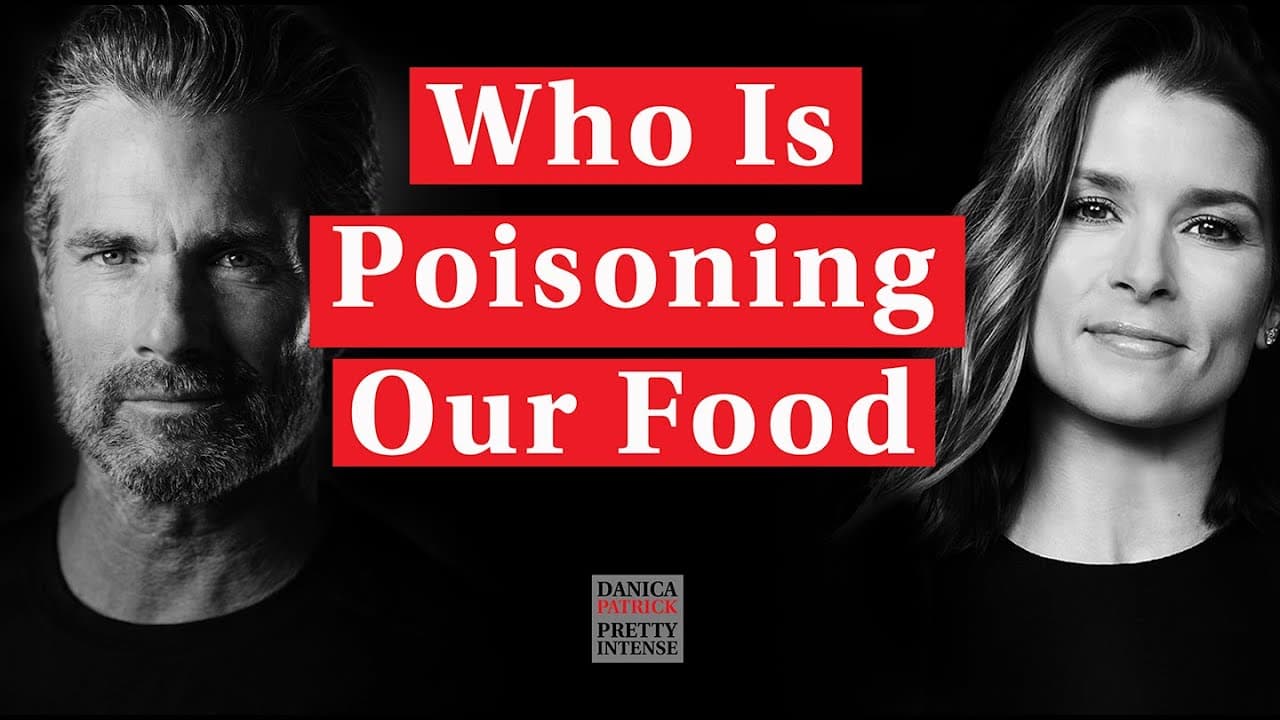
Why Is Our Food Being Poisoned? Uncovering Hidden Agendas
TL;DR
Our food supply is being compromised by corporate interests, leading to widespread health issues. Petrochemical byproducts in agriculture and pharmaceuticals, along with misinformation and lifestyle disconnects, contribute to this problem. To combat this, we need to embrace holistic health practices, understand the impact of environmental factors, and demand systemic change for cleaner air, water, and soil.
Transcript
whatever the mind can conceive and believe we can achieve I hold the vision of clean air water soil and Equitable systems For All Mankind we can create peace and Harmony we can live in alignment with nature we are simply out of bounds right now plastic crap from China and plastic is a petrochemical byproduct petrochemical byproducts are in aggr bus... Read More
Key Insights
- Petrochemical byproducts are prevalent in agriculture and pharmaceuticals, causing health issues.
- Holistic health involves aligning with nature, including proper nutrition and lifestyle practices.
- Plastic and petrochemical pollution are significant contributors to environmental degradation.
- The Rockefeller influence ties oil interests to modern medicine and agriculture.
- Raising human consciousness is essential for systemic change and health improvement.
- Modern lifestyles often lead to disconnection from natural rhythms and health principles.
- Information overload and media manipulation contribute to public confusion about health.
- Promoting permaculture and regenerative farming can restore soil health and food quality.
Install to Summarize YouTube Videos and Get Transcripts
Explore YouTube Video Summarizer or Get YouTube Transcript Extractor
Questions & Answers
Q: How do petrochemical byproducts affect our health?
Petrochemical byproducts, commonly found in agriculture and pharmaceuticals, can lead to various health issues. In agriculture, they make pesticides adhere to plants, potentially leading to chemical residues in our food. In pharmaceuticals, these byproducts can contribute to side effects and long-term health problems. Addressing these issues requires systemic change and a shift towards cleaner, more natural practices.
Q: What is the role of holistic health in improving well-being?
Holistic health emphasizes the importance of aligning with nature for optimal well-being. This approach includes proper nutrition, regular movement, and maintaining authentic connections. It also involves understanding and mitigating environmental factors like pollution and artificial light exposure. By embracing holistic health, individuals can achieve physical, mental, and emotional balance, leading to improved overall health.
Q: Why is there a need for systemic change in health and agriculture?
Systemic change is necessary because current practices in health and agriculture are heavily influenced by corporate interests, particularly those related to petrochemicals and pharmaceuticals. These practices contribute to environmental degradation and health issues. A systemic overhaul would prioritize clean air, water, soil, and equitable systems, fostering a healthier environment and population.
Q: How can permaculture and regenerative farming improve food systems?
Permaculture and regenerative farming focus on sustainable and environmentally friendly agricultural practices. These methods improve soil health, increase biodiversity, and reduce reliance on chemical inputs. By adopting these practices, we can produce healthier food, sequester carbon, and restore ecological balance, ultimately leading to more resilient and sustainable food systems.
Q: What is the impact of media manipulation on public health perceptions?
Media manipulation can lead to misinformation and confusion about health practices and issues. By controlling narratives, media outlets can influence public perceptions, often prioritizing corporate interests over public well-being. This contributes to information overload and can detract from evidence-based health practices, underscoring the need for critical thinking and independent research.
Q: How does modern lifestyle contribute to health disconnects?
Modern lifestyles often involve disconnection from natural rhythms, such as irregular sleep patterns and reliance on processed foods. Additionally, exposure to artificial light and prolonged screen time can disrupt circadian rhythms and hormone balance. These factors, combined with environmental pollutants, contribute to health disconnects and chronic health issues.
Q: What is the significance of raising human consciousness for health improvement?
Raising human consciousness involves increasing awareness of the interconnectedness of health, environment, and lifestyle choices. By elevating consciousness, individuals can make informed decisions that prioritize well-being and sustainability. This shift can drive collective action towards systemic change, leading to improved health outcomes and a more equitable society.
Q: Why is clean air, water, and soil essential for health?
Clean air, water, and soil are fundamental to health because they form the basis of our environment and food supply. Contaminants in these elements can lead to a range of health problems, from respiratory issues to chronic diseases. Ensuring their purity is crucial for preventing illness and maintaining overall health, highlighting the need for environmental protection and sustainable practices.
Summary & Key Takeaways
-
Our food supply is being compromised by corporate interests, leading to widespread health issues. Petrochemical byproducts in agriculture and pharmaceuticals, along with misinformation and lifestyle disconnects, contribute to this problem. To combat this, we need to embrace holistic health practices, understand the impact of environmental factors, and demand systemic change for cleaner air, water, and soil.
-
Troy Casey advocates for a holistic approach to health, emphasizing the importance of clean nutrition, movement, and authentic connections. He highlights the negative impact of corporate control over food and medicine, urging a return to natural and equitable systems. His insights draw from personal experiences and collaborations with health experts.
-
The video discusses the need for systemic change to address environmental and health challenges. It emphasizes the role of consciousness in driving change and the importance of aligning with natural laws. The conversation covers topics like the influence of petrochemicals, the importance of holistic health, and the potential for regenerative agriculture to improve food systems.
Read in Other Languages (beta)
Share This Summary 📚
Summarize YouTube Videos and Get Video Transcripts with 1-Click
Try YouTube Summary with ChatGPT & Claude or YouTube Transcript Generator
Explore More Summaries from Danica Patrick 📚


Summarize YouTube Videos and Get Video Transcripts with 1-Click
Try YouTube Summary with ChatGPT & Claude or YouTube Transcript Generator