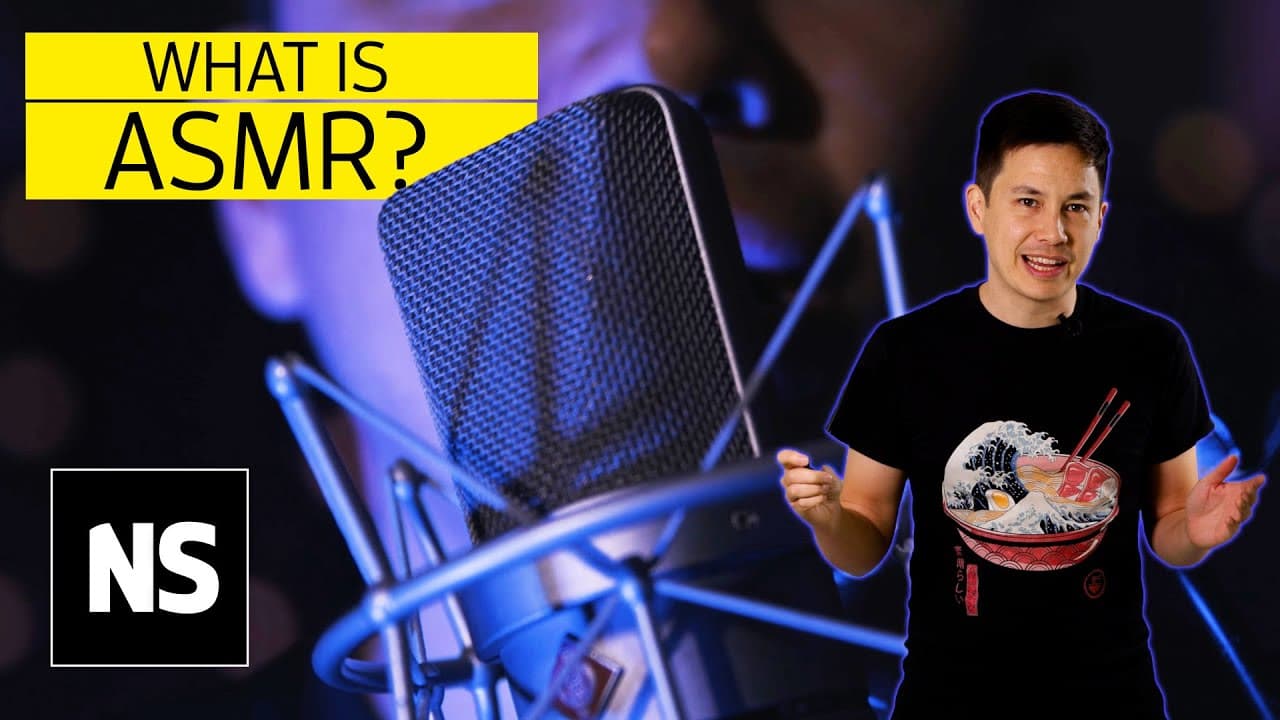
What is ASMR? I Science with Sam
TL;DR
ASMR, or Autonomous Sensory Meridian Response, is a relaxing sensation triggered by certain videos or activities that provide close personal attention. The science behind ASMR is still unknown, but it is thought to be related to frisson, a similar sensation triggered by emotional experiences.
Transcript
hello it's lovely to see you relax this is the science of asmr you may have seen videos of people whispering tapping glasses and even eating very close to microphones these channels can amass millions of loyal subscribers and you might be wondering what the hell is going on here this is a world where people come to relax drift off to sleep and expe... Read More
Key Insights
- 👔 ASMR is a relaxing sensation characterized by a tingle starting at the neck and spreading across the back and shoulders.
- 🎴 Different triggers can induce ASMR, such as watching people play with a deck of cards or listening to chewing noises.
- 🔬 The science behind ASMR is still unknown, but it has similarities to frisson, a sensation triggered by emotional experiences.
- 🥳 ASMR videos may activate parts of the brain associated with reward and emotional arousal.
- 😘 People who experience ASMR tend to have higher openness to new experiences and neuroticism, while scoring lower in conscientiousness, extroversion, and agreeableness.
- ❓ ASMR may be related to social connections and emotional bonding.
- 👀 Some people may experience "ASMR immunity" if they watch too many ASMR videos, requiring a break to regain the sensations.
Install to Summarize YouTube Videos and Get Transcripts
Explore YouTube Video Summarizer or Get YouTube Transcript Extractor
Questions & Answers
Q: What is ASMR?
ASMR stands for Autonomous Sensory Meridian Response, which is a relaxing sensation characterized by a tingle starting at the neck and spreading across the back and shoulders. It is triggered by certain videos or activities that provide close personal attention.
Q: What are some common triggers for ASMR?
Different people have different triggers for ASMR. Some common ones include watching people play with a deck of cards, listening to chewing noises or mouth sounds, and experiencing personal care, like someone touching your face or stroking your hair.
Q: How is ASMR related to frisson?
ASMR has been compared to frisson, a similar sensation triggered by emotional experiences like powerful music. However, they have distinct differences, with frisson involving a shivery electric element that is lacking in ASMR.
Q: Who experiences ASMR?
ASMR videos don't work for everyone, indicating that susceptibility to ASMR may vary among individuals. Psychological studies suggest that people who experience ASMR tend to have higher scores on openness to experience and neuroticism, while scoring lower on conscientiousness, extroversion, and agreeableness.
Summary & Key Takeaways
-
ASMR is a strange sensation characterized by a tingle starting at the neck and spreading across the back and shoulders, often described as a brain massage.
-
Different triggers can induce ASMR, such as watching people play with a deck of cards, listening to chewing noises, or experiencing personal care, like someone touching your face.
-
The science behind ASMR is still unclear, but it has been compared to frisson, which is associated with emotional experiences like powerful music.
Read in Other Languages (beta)
Share This Summary 📚
Summarize YouTube Videos and Get Video Transcripts with 1-Click
Try YouTube Summary with ChatGPT & Claude or YouTube Transcript Generator
Explore More Summaries from New Scientist 📚

Summarize YouTube Videos and Get Video Transcripts with 1-Click
Try YouTube Summary with ChatGPT & Claude or YouTube Transcript Generator