How to Squash a Paranormal Claim | James Randi | Big Think
TL;DR
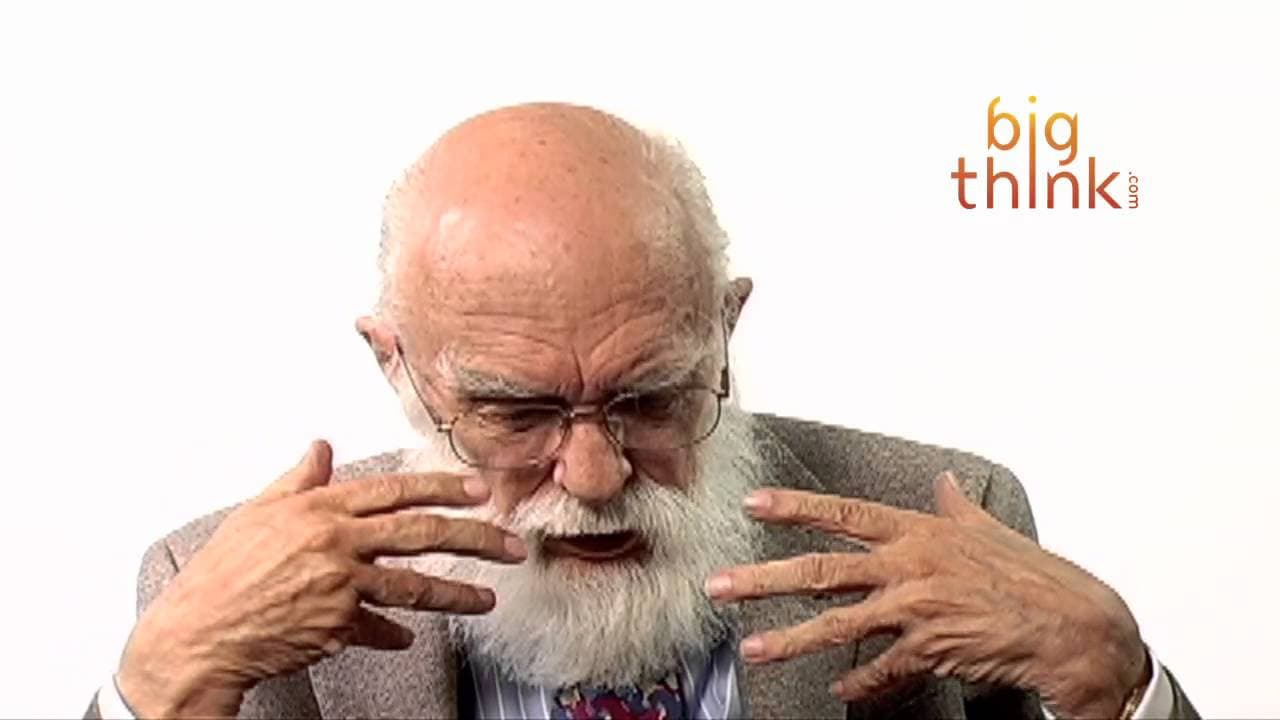
James Randi discusses how the JREF tests paranormal claims and shares his experiences debunking various claims, highlighting the lack of novelty in these claims.
Transcript
Question: What does the JREF consider a legitimate test of paranormal claims? A test of any specific claim is going to depend entirely upon that claim. If you say you can speak to dead people, I’ve got a whole load of questions I would like to ask certain dead people. Answers to which I already have, and the dead people, since they are dead, I don’... Read More
Key Insights
- 🏆 The JREF requires specific details and evidence for testing paranormal claims, tailoring the test to each claim's uniqueness.
- 🛄 Despite claims of new abilities, paranormal claims have not evolved since the 1600s and rely on age-old tricks and stunts.
- 🍂 People's desire for romance and idealized lives may make them susceptible to falling for paranormal claims as they seek solutions and guidance.
- 🖤 The lack of difficulty in debunking paranormal claims highlights the lack of legitimacy and evidence supporting such claims.
- 🤔 Supernatural thinking may tap into cognitive biases, allowing people to believe in paranormal claims even without solid evidence.
- 🛄 Cultural differences may manifest in paranormal claims, but the underlying stunts and tricks remain the same.
- 🇰🇷 James Randi's experiences testing psychics in South Korea further emphasize the lack of originality and novelty in paranormal claims.
Install to Summarize YouTube Videos and Get Transcripts
Explore YouTube Video Summarizer or Get YouTube Transcript Extractor
Questions & Answers
Q: What does the JREF consider a legitimate test of paranormal claims?
The JREF believes that a legitimate test of paranormal claims depends on the claim's specific details, accuracy, circumstances, and evidence. The criteria differ for claims like speaking to the dead or predicting the future.
Q: What has been the most difficult paranormal claim for the JREF to disprove?
According to James Randi, there hasn't been one particularly difficult claim to disprove. All paranormal claims have been transparent and easily debunked, even during his experience testing South Korean "psychics."
Q: Do you believe supernatural thinking is ingrained in human cognition?
James Randi suggests that this question should be answered by psychologists and psychiatrists. However, he suspects that people may fall for paranormal claims due to their desire for romance and idealized lives, which often do not materialize as expected.
Q: Why do people easily fall for paranormal claims?
People may fall for paranormal claims because they believe that someone offering guidance or insight into their future must be telling the truth. There is a strong profit margin in making such claims, leading people to easily be deceived.
Summary & Key Takeaways
-
The JREF considers a legitimate test of paranormal claims to depend entirely on the specific claim, requiring accuracy, specific circumstances, and evidence.
-
One of the most difficult paranormal claims for the JREF to disprove has not been identified, as all claims have been transparent and easily debunked.
-
Supernatural thinking may be ingrained in human cognition due to the desire for romance and idealized lives, leading people to fall for paranormal claims easily.
Read in Other Languages (beta)
Share This Summary 📚
Summarize YouTube Videos and Get Video Transcripts with 1-Click
Try YouTube Summary with ChatGPT & Claude or YouTube Transcript Generator
Explore More Summaries from Big Think 📚

Summarize YouTube Videos and Get Video Transcripts with 1-Click
Try YouTube Summary with ChatGPT & Claude or YouTube Transcript Generator