How Brands Got Depressed (Burger King, SunnyD) – Wisecrack Vlog
TL;DR
Brands are increasingly adopting authentic marketing strategies to connect with younger consumers.
Transcript
hey there fellow kids it's me a human i've just come to ask what's the deal with being a millennial student debt am i right well it's worth noting that i as a human also hates student debt i don't want to be negative af but life can be full of fakers and what really slaps these days is realness you see i'm real and that's great because today's yout... Read More
Key Insights
- 🉐 The notion of authenticity in branding has gained traction over the last decade as consumers demand more relatable and real interactions with companies.
- 🧑 Brands effectively adopting a first-person voice on social media can create a sense of community and engagement, fostering deeper connections with consumers.
- 🍳 Nostalgia, irony, and humor are marketing tools brands leverage to connect with consumers more effectively and break through marketing fatigue.
- 🥺 While brands increasingly humanize their messaging, individuals are also pressured to present brand-like personae on social media platforms, leading to complex identities.
- ✳️ The risk of brands commodifying human experiences necessitates careful navigation of marketing strategies that resonate with real emotions while avoiding exploitation.
- 🪡 Emerging trends indicate that brands may soon need to pivot from authenticity back into unique, compelling narratives to retain consumer interest.
- 💤 The generational divide indicates that millennials and Gen Z are more critical of branding, which is reshaping how companies formulate their marketing strategies.
Install to Summarize YouTube Videos and Get Transcripts
Explore YouTube Video Summarizer or Get YouTube Transcript Extractor
Questions & Answers
Q: Why do brands feel the need to adopt authentic marketing strategies now?
The shift towards authentic marketing stems from consumers, particularly younger generations who are more skeptical of traditional advertising. This generation is aware of the intricacies behind marketing efforts since they have been exposed to branding from an early age, necessitating a shift in strategy by brands to connect more genuinely with their audience.
Q: How has social media influenced brand behavior?
Social media has transformed the way brands interact with consumers by encouraging real-time engagement and a more personable tone. Brands are now expected to communicate in a way that reflects human emotions, using platforms to roast competitors, engage with fans, and show vulnerability, which aligns with the desires of today's audiences seeking genuine connection.
Q: What are some examples of brands attempting to be more relatable?
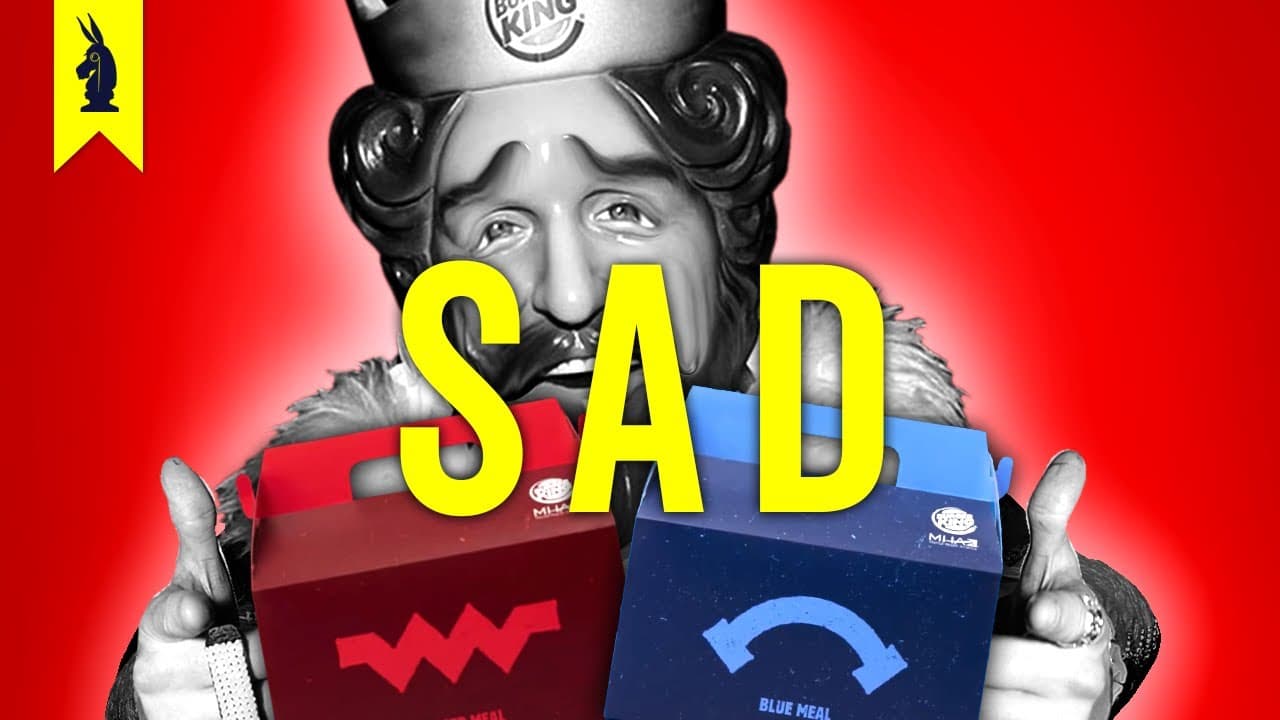
Brands like Burger King and Wendy's have stood out for using humor and a more human tone in their advertising. For instance, Burger King's "Real Meals" campaign offered consumers a chance to express emotions through their food choices, while Wendy's has famously engaged in light-hearted social media roasts, connecting them more closely with audiences.
Q: Can the trend of "humanizing" brands lead to negative perceptions?
Yes, while attempting to appear more relatable, brands risk coming off as insincere or exploitative. Consumers might react negatively if they perceive a disconnect between a brand's marketing efforts and their genuine experiences or feelings, leading to skepticism about the true intentions behind such marketing strategies.
Q: What challenges do companies face in maintaining authenticity?
As more companies strive for authenticity, they face the challenge of standing out amidst competing voices in marketing. Maintaining genuine engagement requires a fine balance between promoting products and connecting with consumers on a personal level, without crossing into inauthentic or crass approaches that may alienate potential customers.
Summary & Key Takeaways
-
The increasing pressure for brands to appear authentic is a response to a savvy consumer base that has been marketed to from childhood, resulting in brands adopting more human-like characteristics in their messaging.
-
Recent examples, such as Burger King's "Real Meals," showcase how companies are trying to engage with consumers by addressing their real emotions and struggles, often using humor and relatability in social media.
-
The phenomenon raises questions about the authenticity of both brands and individuals, highlighting a tension between genuine human experiences and the commercial exploitation of those experiences in marketing.
Read in Other Languages (beta)
Share This Summary 📚
Summarize YouTube Videos and Get Video Transcripts with 1-Click
Try YouTube Summary with ChatGPT & Claude or YouTube Transcript Generator