A Blood Test for Brain Damage, and AI Eye Doctors
TL;DR
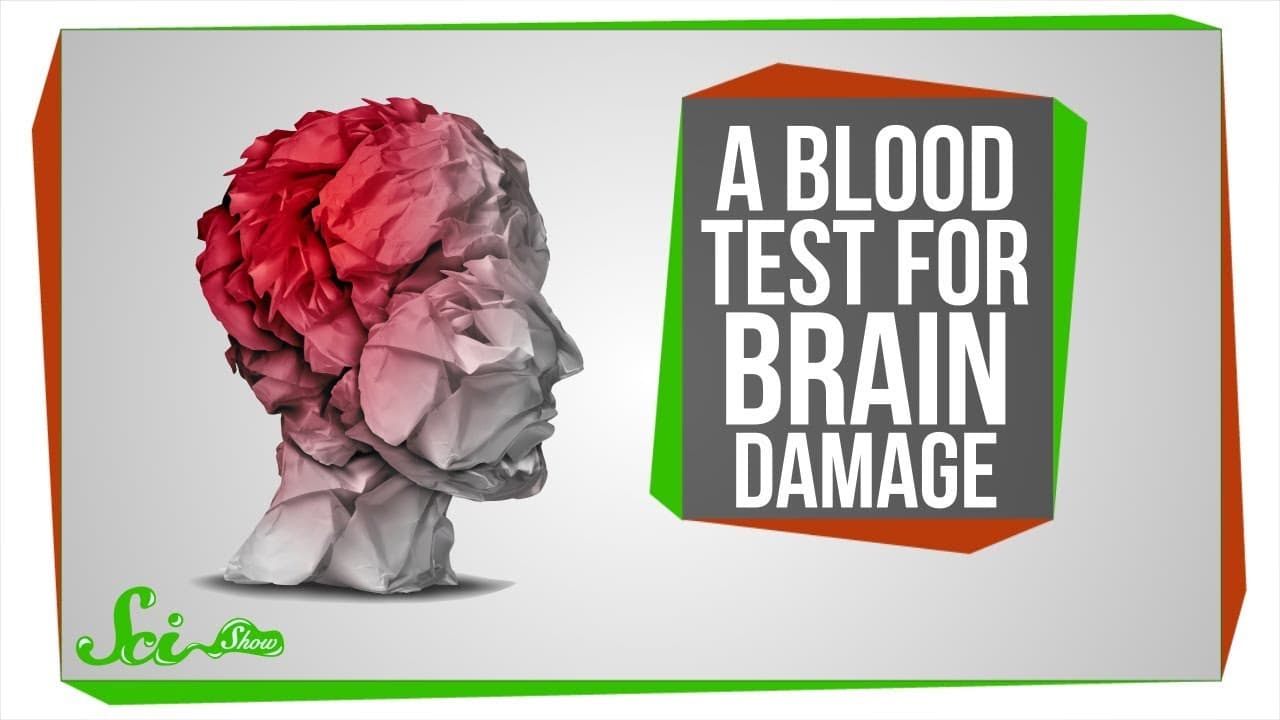
The FDA has approved the first-ever blood test for diagnosing concussions, which can predict the results of CT scans and help avoid unnecessary radiation exposure.
Transcript
[INTRO] Concussions are just the worst. Among other things, they can cause massive headaches, memory loss, nausea, and make you lose consciousness. Not to mention the potentially life-threatening complications, like bleeding in the brain. So when someone hits their head really hard, it’s important to know if they have a concussion. And now, the pro... Read More
Key Insights
- 🧠 Concussions are challenging to diagnose, and CT scans involve radiation exposure and can miss damage in the brain.
- 👍 The newly approved blood test can predict the results of CT scans and reduce the need for unnecessary radiation exposure.
- 😷 The blood test accurately detects brain lesions, allowing doctors to make informed decisions about further medical intervention.
- ❓ This development is a positive step towards easier and more accurate concussion diagnosis.
- 🔨 Approximately 2.8 million Americans seek treatment for concussions annually, indicating the importance of efficient diagnostic tools.
- 🏆 The blood test provides a potential solution to reduce radiation exposure for patients.
- 😃 Artificial intelligence is also being utilized in medicine, with a recent study demonstrating its effectiveness in diagnosing eye diseases.
Install to Summarize YouTube Videos and Get Transcripts
Explore YouTube Video Summarizer or Get YouTube Transcript Extractor
Questions & Answers
Q: How do doctors currently diagnose concussions?
Doctors currently diagnose concussions based on symptoms and CT scans, which involve radiation exposure and may not reveal damage in most cases.
Q: How does the newly approved blood test work?
The blood test detects two proteins that appear in the blood after a brain injury, indicating whether a CT scan will come back positive or negative.
Q: What are the potential benefits of the blood test?
The blood test can help rule out the need for a CT scan in cases where it's negative, reducing radiation exposure for patients. If positive, it prompts doctors to conduct a CT scan to further assess the brain.
Q: How accurate is the blood test?
In a clinical trial, the blood test correctly predicted brain lesions found by CT scans 97.5% of the time, making it a reliable diagnostic tool.
Summary & Key Takeaways
-
Concussions are difficult to diagnose, with doctors relying on symptoms and CT scans that involve radiation exposure and only show damage in about 10% of cases.
-
The newly approved blood test detects two proteins that appear in the blood after a brain injury, predicting the results of CT scans with high accuracy.
-
If the blood test is negative, it can rule out bleeding or swelling in the brain, reducing the need for a CT scan.
Read in Other Languages (beta)
Share This Summary 📚
Summarize YouTube Videos and Get Video Transcripts with 1-Click
Try YouTube Summary with ChatGPT & Claude or YouTube Transcript Generator
Explore More Summaries from SciShow 📚


Summarize YouTube Videos and Get Video Transcripts with 1-Click
Try YouTube Summary with ChatGPT & Claude or YouTube Transcript Generator