Dopamine & Social Media Addiction - Waseem Khan
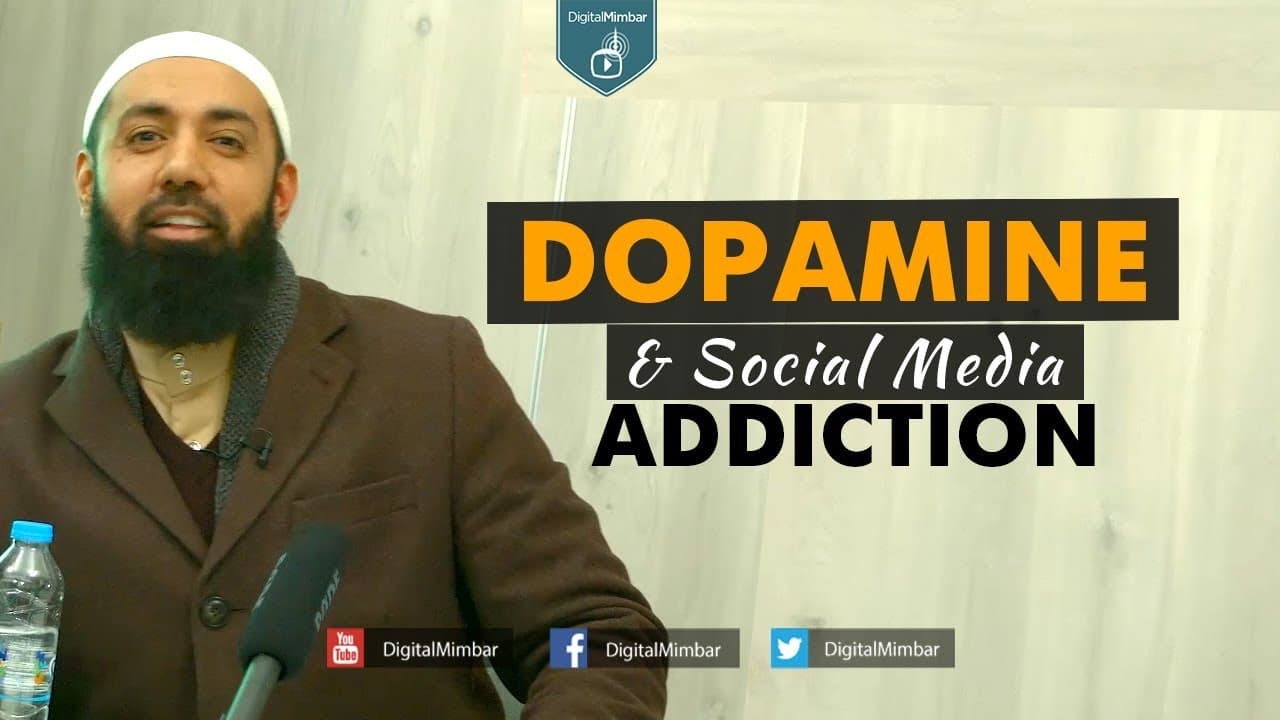
TL;DR
Social media platforms like Facebook exploit our psychological vulnerabilities by providing instant gratification through dopamine release, leading to addiction.
Transcript
from a psychological perspective that we are weak we are weak and the psychology is the most vulnerable part and they exploited this and they said whenever someone likes or comments on a post or photograph that you upload we give you a little dopamine hit it's a chemical reaction like a neurotransmitter something's taking place making you feel good... Read More
Key Insights
- 🔉 Social media platforms exploit our psychological weaknesses by giving us instant gratification through dopamine release.
- 🧠 Dopamine release creates addiction as it hardwires our brains and forms neural pathways seeking more engagement.
- 🥺 Quitting social media abruptly can lead to phantom vibration syndrome, where individuals perceive non-existent notifications or calls.
Install to Summarize YouTube Videos and Get Transcripts
Explore YouTube Video Summarizer or Get YouTube Transcript Extractor
Questions & Answers
Q: How does social media addiction exploit our psychological vulnerabilities?
Social media platforms like Facebook use dopamine release, a neurotransmitter associated with pleasure and reward, to provide instant gratification and make us feel good whenever we receive engagement or interaction. This exploit leads to addiction.
Q: What are neural pathways, and how do they relate to social media addiction?
Neural pathways are connections formed in the brain based on repeated behaviors. In the case of social media addiction, engaging in the platform's activities repeatedly creates neural pathways that make us instinctively seek more engagement and interaction, reinforcing the addictive behavior.
Q: Is it possible to quit social media cold turkey?
Cold turkey quitting can be challenging due to the hardwiring of neural pathways. People attempting to quit may experience phantom vibration syndrome, a phenomenon where individuals feel their phone has received notifications or calls even when it hasn't, due to the brain's craving for engagement.
Q: How can one overcome social media addiction?
Quitting social media addiction requires a gradual process. It is important to ease oneself off by setting boundaries, limiting usage, and replacing it with healthier activities. Professional help or support groups can also be beneficial in overcoming addiction.
Summary & Key Takeaways
-
Social media platforms, such as Facebook, exploit our psychological weaknesses by giving us a little dopamine hit every time we receive engagement, like a comment or share.
-
Dopamine release leads to addiction, as our brains become hardwired and develop neural pathways that desire more and more engagement.
-
Attempting to quit social media abruptly can lead to symptoms such as phantom vibration syndrome, where individuals perceive notifications or calls that do not actually exist.
Read in Other Languages (beta)
Share This Summary 📚
Summarize YouTube Videos and Get Video Transcripts with 1-Click
Try YouTube Summary with ChatGPT & Claude or YouTube Transcript Generator
Explore More Summaries from Digital Mimbar 📚


Summarize YouTube Videos and Get Video Transcripts with 1-Click
Try YouTube Summary with ChatGPT & Claude or YouTube Transcript Generator