Big Think Interview With Stephen Fry | Big Think
TL;DR
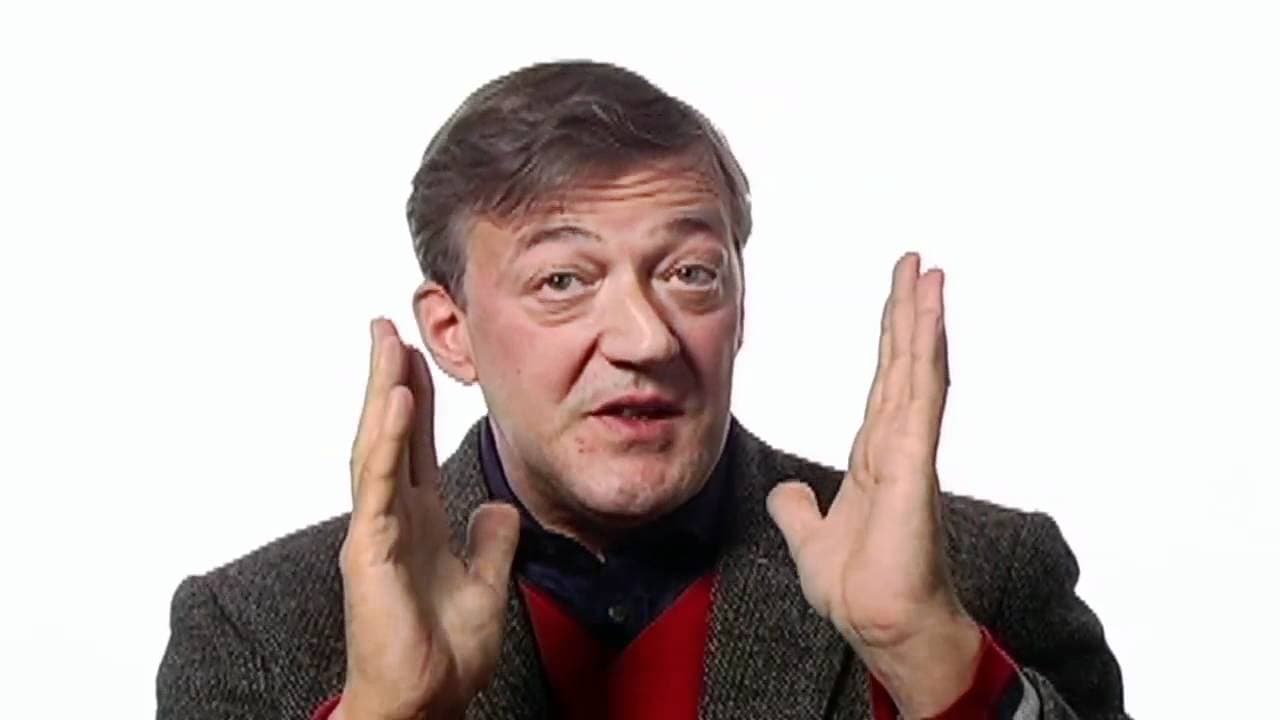
Stephen Fry discusses the profound influence of writers such as Oscar Wilde, his perspective on atheism and religion, and his personal experience with bipolar disorder.
Transcript
Probably in terms of writing and linguistic awareness there were a combination, firstly of W’s, P.G. Woodhouse, Oscar Wilde and Evelyn Waugh, the British novelist. That’s a male Evelyn by the way. And I would add to that Arthur Chonan Doyle, the author of Sherlock Holmes. When I was between the ages of about seven and twelve I was obsessed with She... Read More
Key Insights
- ✍️ The writings of Oscar Wilde had a profound impact on Fry's understanding and command of the English language, particularly in terms of rhythm and tone.
- 💭 Philosophy plays a vital role in raising questions and promoting simplicity and elegance of thought. However, Fry notes that modern society tends to overlook rigorous philosophical thinking.
- 😑 Fry expresses his disbelief in a single, omnipotent God, and emphasizes the importance of taking responsibility for shaping moral and ethical frameworks.
- 🧑⚕️ Fry shares his personal experience with bipolar disorder, highlighting the challenges of managing moods and the stigmatization of mental health issues.
Install to Summarize YouTube Videos and Get Transcripts
Explore YouTube Video Summarizer or Get YouTube Transcript Extractor
Questions & Answers
Q: Who were the writers that influenced Stephen Fry's writing and language skills?
Stephen Fry credits writers like P.G. Woodhouse, Oscar Wilde, Evelyn Waugh, and Arthur Conan Doyle for their profound influence on his writing and linguistic awareness. He particularly highlights Oscar Wilde as the writer who awakened language in his head in a way like no other.
Q: How does Fry view philosophy and its influence on his life?
Fry considers philosophy as a means to pose questions and provoke thought. He appreciates philosophers like Bertrand Russell and Kant for their ability to observe and raise questions about the world. He believes simplicity and elegance are valuable qualities that philosophical observations can possess.
Q: What is Fry's perspective on religion and atheism?
Fry describes himself as a humanist who does not believe in God. He criticizes monotheism and highlights the capricious and unkind attributes associated with divine beings in ancient religions. He values the intellectual rigor and quest for logic that comes with atheism and believes in taking full responsibility for one's actions.
Q: How does Fry perceive his experience with bipolar disorder (manic depression)?
Fry shares that he was first diagnosed at the age of fifteen and has since grappled with its highs and lows. He describes the manic phase as a state of elevated mood characterized by grandiosity, excessive energy, and racing thoughts. He recognizes the challenges of managing the condition and the consequences of substance abuse, highlighting the importance of intervention and understanding from those around him.
Summary & Key Takeaways
-
Stephen Fry attributes his writing and linguistic awareness to writers like P.G. Woodhouse, Oscar Wilde, and Evelyn Waugh, particularly the rhythms and tones of the English language exemplified by their works. He also emphasizes the importance of philosophers like Bertrand Russell in shaping his thinking.
-
Fry reflects on his admiration for Oscar Wilde and the impact of discovering Wilde's character and intellect on his own adolescence. He highlights the ability of great writers to make readers feel intellectually taller.
-
Fry explores his views on philosophy, highlighting its role in raising questions and promoting simplicity and elegance. He discusses his appreciation for Kant's ability to provoke complex thoughts from simple observations.
-
Fry shares his perspective on religion, expressing his disbelief in God and aversion to monotheism. He criticizes the idea of a single deity as a misapprehension and emphasizes the importance of embracing humanity's responsibility in creating moral frameworks.
-
Fry delves into his personal experience with bipolar disorder (or manic depression). He discusses the challenges of managing his moods, the stigma surrounding mental health, and the impact of medication and substance abuse on his condition.
Read in Other Languages (beta)
Share This Summary 📚
Summarize YouTube Videos and Get Video Transcripts with 1-Click
Try YouTube Summary with ChatGPT & Claude or YouTube Transcript Generator
Explore More Summaries from Big Think 📚

Summarize YouTube Videos and Get Video Transcripts with 1-Click
Try YouTube Summary with ChatGPT & Claude or YouTube Transcript Generator