Why We Sometimes Try to Make Our Partner Sad
TL;DR
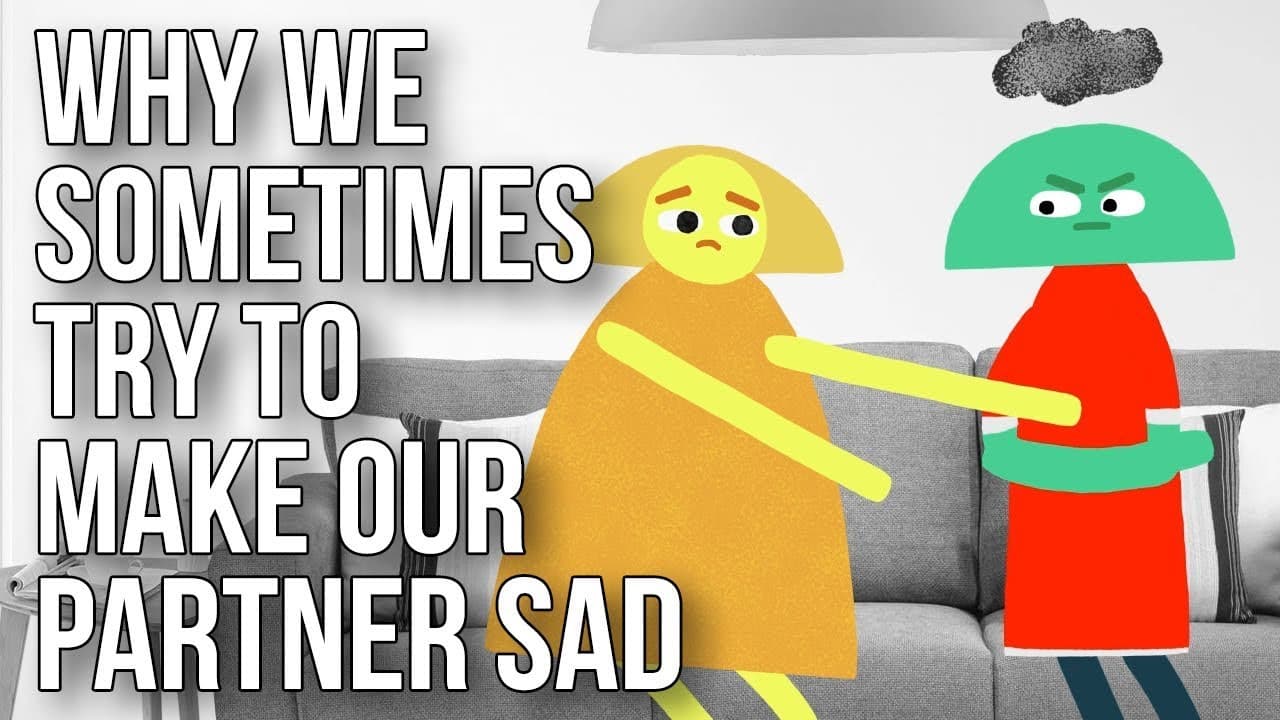
People sometimes ruin their partner's happiness due to feelings of loneliness and insecurity.
Transcript
there is a kind of argument that begins with one partner deliberately and for no immediately obvious reason attempting to spoil the good mood and high spirits of the other the cheerful partner may be cooking a cake for their visiting nephew or whistling a tune while they rearrange the kitchen they may be making plans for the weekend or discussing w... Read More
Key Insights
- 🥺 Emotional insecurity can lead individuals to undermine their partner's happiness out of fear of being left alone or unrecognized.
- 😷 Negative behavior often masks a deeper need for emotional connection and reassurance rather than pure malice.
- 😑 Healthy communication is crucial; spouses should express their feelings instead of allowing negativity to dictate their actions.
- ❓ Understanding each other's emotional landscapes facilitates healing and support, preventing misunderstandings.
- ❓ Joy can inadvertently threaten partners struggling with their own emotional challenges, revealing underlying relational dynamics.
- ❎ Recognizing that negative behavior may stem from a desire for intimacy can foster compassion rather than resentment.
- ❓ The text emphasizes the importance of awareness and emotional maturity in navigating conflicts within relationships.
Install to Summarize YouTube Videos and Get Transcripts
Explore YouTube Video Summarizer or Get YouTube Transcript Extractor
Questions & Answers
Q: Why do some partners feel the need to spoil their other's happiness?
Partners may ruin each other's happiness due to underlying feelings of loneliness, jealousy, or insecurity. When one partner feels joyous, the other may perceive it as a barrier to emotional closeness, prompting a misguided urge to bring them down to their emotional level.
Q: How does the cheerful partner typically respond to the negativity?
The cheerful partner often experiences confusion and frustration upon encountering negativity from their partner. Instead of understanding it as a plea for connection, they may feel attacked and respond defensively, leading to further emotional distance in the relationship.
Q: What is the paradoxical plea for love referenced in the text?
The paradoxical plea for love arises when one partner sabotages another's happiness in the hope of fostering shared emotional experiences. This behavior stems from a childlike need for reassurance and connection, ironically pushing them further apart rather than fostering intimacy.
Q: What solution does the text propose for managing negative feelings in relationships?
The text suggests that rather than acting out, individuals should openly confess their insecurities and fears to their partners. By acknowledging their emotional struggles, they foster a more nurturing environment that encourages understanding and emotional support, ultimately enhancing the relationship.
Summary & Key Takeaways
-
The text discusses a common relational dynamic where one partner, feeling insecure, attempts to sabotage the other’s happiness, mistaking it for a threat to intimacy.
-
This negative behavior emerges from a fear of loneliness and a misguided belief that mutual sadness will foster connection and understanding.
-
Ultimately, the article suggests that rather than acting out, individuals should communicate their feelings honestly to cultivate intimacy rather than animosity.
Read in Other Languages (beta)
Share This Summary 📚
Summarize YouTube Videos and Get Video Transcripts with 1-Click
Try YouTube Summary with ChatGPT & Claude or YouTube Transcript Generator