The History of Local Anaesthesia - Dr William Harrop-Griffiths
TL;DR
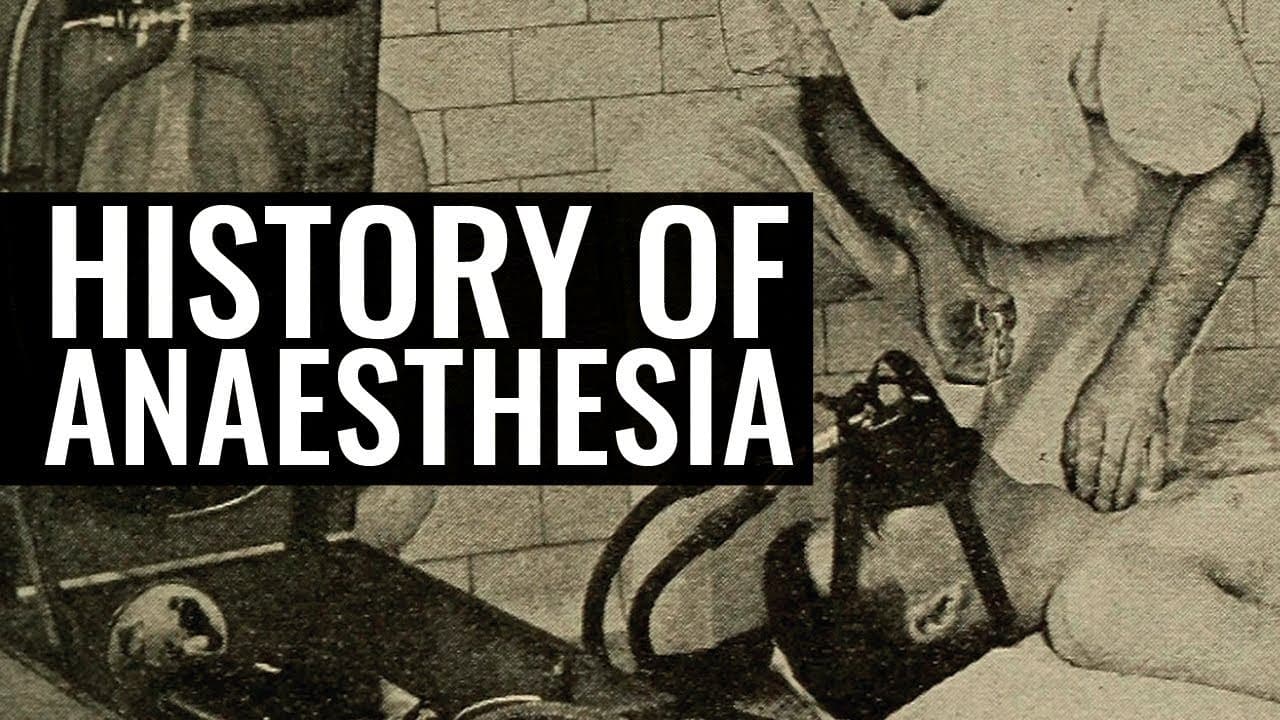
Anesthesia has come a long way since its discovery in the 19th century and continues to be a vital tool in medical procedures.
Transcript
I am indeed William activist I am indeed from Imperial College healthcare NHS Trust and it really is a tremendous pleasure to be here today I have some competing interests which I have listed on that slide most noticeably I am a member of for regional anesthesia societies that of the United Kingdom Europe America and for reasons that are not quite ... Read More
Key Insights
- 😥 Ether anesthesia was the first successful demonstration of general anesthesia, marking a turning point in surgical procedures.
- 🥺 Local anesthesia using cocaine revolutionized pain management during surgery and led to further advancements in the field.
- ❓ Eureka moments, accidental discoveries, and the spirit of exploration propelled the development of anesthesia.
- 🥺 The efforts of pioneers like Collar, Halsted, Pascual, and Labatt led to the expansion of local anesthesia techniques.
Install to Summarize YouTube Videos and Get Transcripts
Explore YouTube Video Summarizer or Get YouTube Transcript Extractor
Questions & Answers
Q: Who was responsible for the first successful public demonstration of ether anesthesia?
The first successful public demonstration of ether anesthesia was performed by William Thomas Green Morton, a North American dentist, on October 16, 1846. This demonstration marked a significant milestone in the history of general anesthesia.
Q: What is the significance of the date October 16th in the history of anesthesia?
October 16th is recognized as World Anesthesia Day, commemorating the first successful public demonstration of ether anesthesia by William Thomas Green Morton. It serves as a reminder of the crucial role anesthesia plays in modern medical procedures.
Q: Who discovered the use of cocaine as a local anesthetic?
Carl Collar, a Czech ophthalmologist, discovered the use of cocaine as a local anesthetic on September 11, 1884. This breakthrough revolutionized pain management during surgical procedures and paved the way for the development of local anesthesia techniques.
Q: How did anesthesia advancements expand beyond cocaine as a local anesthetic?
Pioneers such as William Stewart Halsted, Fidel Pascual, and Gaston Labatt played key roles in expanding local anesthesia techniques. Halsted experimented with nerve blocks, while Pascual developed epidural anesthesia. Labatt contributed to peripheral nerve blocks and wrote a comprehensive book on the subject.
Summary & Key Takeaways
-
Anesthesia was discovered in the 19th century, with the first successful public demonstration of ether anesthesia occurring on October 16, 1846.
-
The first local anesthesia was administered using cocaine on September 11, 1884, signaling a breakthrough in pain management during surgical procedures.
-
Eureka moments and accidental discoveries played a significant role in the development of anesthesia, with pioneers like Carl Collar and James Leonard Corning leading the way.
-
Local anesthesia expanded to include nerve blocks, spinal anesthesia, and epidural anesthesia due to the efforts of William Stewart Halsted, Fidel Pascual, and Gaston Labatt.
Read in Other Languages (beta)
Share This Summary 📚
Summarize YouTube Videos and Get Video Transcripts with 1-Click
Try YouTube Summary with ChatGPT & Claude or YouTube Transcript Generator
Explore More Summaries from Gresham College 📚

Summarize YouTube Videos and Get Video Transcripts with 1-Click
Try YouTube Summary with ChatGPT & Claude or YouTube Transcript Generator