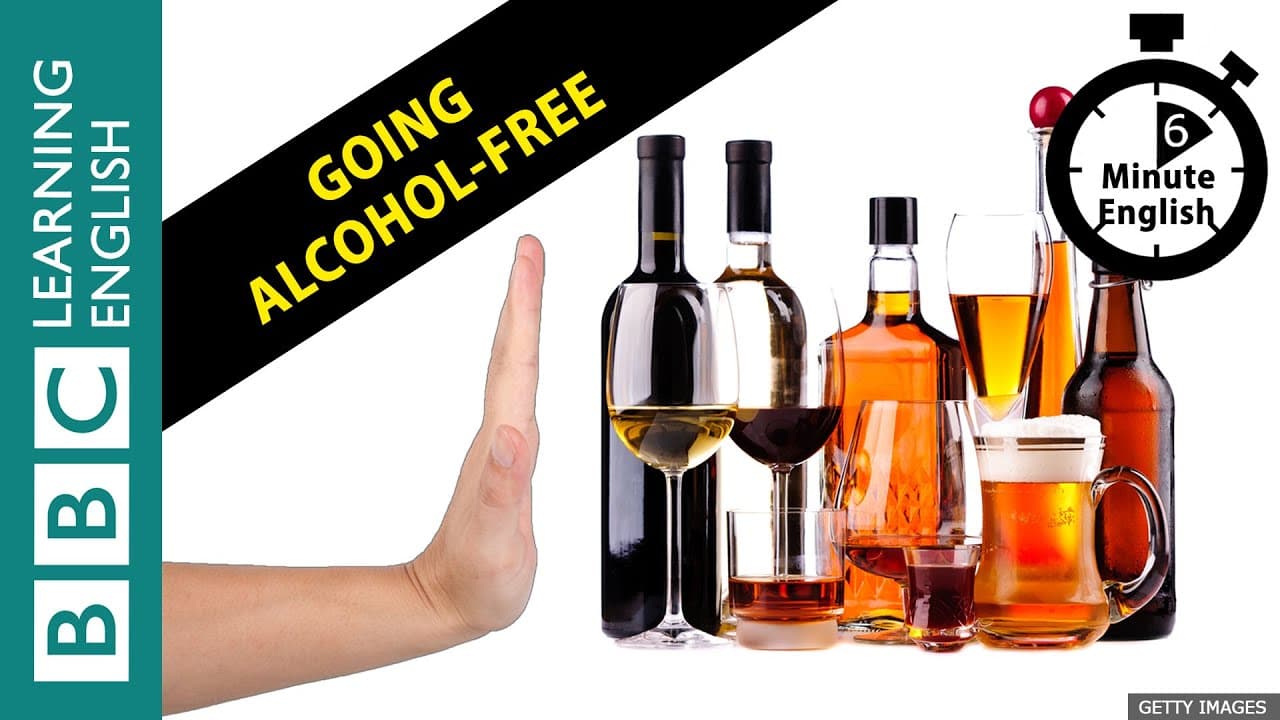
Could you give up booze for a month? 6 Minute English
TL;DR
Discussion on the challenges and benefits of a dry January.
Transcript
Sam: Hello. This is 6 Minute English from BBC Learning English. I'm Sam... Rob: And I'm Rob. Sam: So we're well into 2020 now - how are your New Year's resolutions going, Rob? Rob: Ah resolutions - you mean promises people make to themselves to stop or start doing something - I promised to start running, and to stop eating biscuits and to give up a... Read More
Key Insights
- New Year's resolutions are promises made to oneself to start or stop doing something, often aimed at improving health or habits.
- Dry January is a campaign encouraging people to abstain from alcohol for a month, promoting health benefits and self-discipline.
- Peer pressure significantly influences drinking habits, with social expectations often driving individuals to consume alcohol.
- Alcohol consumption is deeply ingrained in many cultures, making it challenging for individuals to resist societal norms.
- Merchandise often humorously promotes drinking, making it difficult to escape alcohol-related social cues.
- Hangovers, characterized by sickness and anxiety, can negatively affect mental health and daily life.
- Binge drinking involves consuming large quantities of alcohol occasionally, which can have severe health implications.
- Historical records suggest that the Babylonians were the first to make New Year's resolutions, promising gods to repay debts and return borrowed items.
Install to Summarize YouTube Videos and Get Transcripts
Explore YouTube Video Summarizer or Get YouTube Transcript Extractor
Questions & Answers
Q: What is Dry January and why is it significant?
Dry January is a campaign that encourages individuals to abstain from alcohol for the entire month of January. It is significant because it promotes health benefits, encourages self-discipline, and raises awareness about the impact of alcohol on physical and mental health. Participants often experience improved sleep, better concentration, and a sense of achievement.
Q: How does peer pressure influence drinking habits?
Peer pressure influences drinking habits by creating a social environment where alcohol consumption is expected and normalized. Individuals often feel compelled to drink to fit in or be accepted by their peers. This pressure can make it challenging for people to refuse alcohol, even if they wish to reduce or quit drinking.
Q: What challenges do people face when trying to quit drinking?
People face several challenges when trying to quit drinking, including social pressure, ingrained cultural norms, and the ubiquitous presence of alcohol in social settings. Additionally, alcohol-related merchandise and humor can make abstinence difficult. Psychological dependence and the fear of missing out on social interactions also contribute to the difficulty of quitting.
Q: What are the negative effects of alcohol consumption mentioned in the episode?
The episode mentions several negative effects of alcohol consumption, including hangovers, which cause sickness, tiredness, and anxiety. These symptoms can permeate daily life, affecting mental health and overall well-being. Binge drinking, in particular, can lead to severe health issues and disrupt personal and professional responsibilities.
Q: How is alcohol consumption described as being ingrained in culture?
Alcohol consumption is described as ingrained in culture because it is a long-standing social norm that is difficult to change. It is often associated with celebrations, social gatherings, and even merchandise that humorously promotes drinking. This cultural entrenchment makes it challenging for individuals to resist societal expectations and abstain from alcohol.
Q: What historical information is provided about New Year's resolutions?
The episode provides historical information that suggests the Babylonians were the first to make New Year's resolutions around 4,000 years ago. They celebrated the New Year in mid-March and made promises to their gods to pay debts and return borrowed items. This tradition highlights the longstanding human desire to set goals and improve personal behavior.
Q: What role does merchandise play in promoting alcohol consumption?
Merchandise plays a role in promoting alcohol consumption by featuring humorous and lighthearted messages related to drinking. Items like Christmas jumpers and birthday cards often include puns and jokes about alcohol, reinforcing its presence in social and cultural contexts. This makes it challenging for individuals to escape alcohol-related cues and pressures.
Q: What are the benefits of remaining sober, as discussed in the episode?
The benefits of remaining sober, as discussed in the episode, include improved mental and physical health, better sleep, increased concentration, and a greater sense of control over one's life. Sobriety can also lead to financial savings, enhanced personal relationships, and a reduction in anxiety and other negative feelings associated with hangovers.
Summary & Key Takeaways
-
This episode of 6 Minute English discusses the concept of Dry January, a campaign encouraging people to abstain from alcohol for a month. Hosts Sam and Rob explore the challenges of maintaining such resolutions and the social pressures that influence drinking habits.
-
Millie Gooch, founder of The Sober Girl Society, shares her experiences with the negative effects of alcohol, including hangover anxiety. She highlights how peer pressure and cultural norms make it difficult to quit drinking, despite the health benefits of sobriety.
-
The episode also covers the historical origins of New Year's resolutions, tracing them back to the Babylonians. The discussion emphasizes the importance of self-discipline and the impact of ingrained social behaviors on personal choices.
Read in Other Languages (beta)
Share This Summary 📚
Summarize YouTube Videos and Get Video Transcripts with 1-Click
Try YouTube Summary with ChatGPT & Claude or YouTube Transcript Generator
Explore More Summaries from BBC Learning English 📚
Summarize YouTube Videos and Get Video Transcripts with 1-Click
Try YouTube Summary with ChatGPT & Claude or YouTube Transcript Generator