Stars in the early universe were massive | Anna Frebel and Lex Fridman
TL;DR
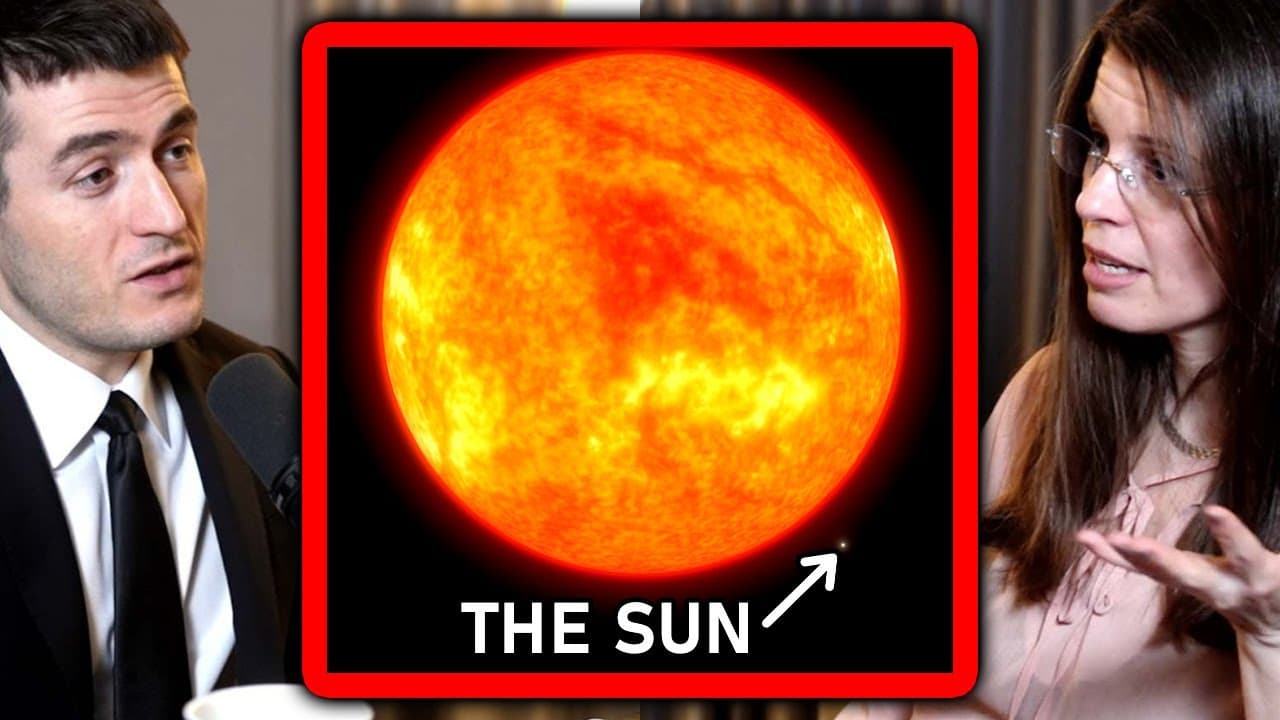
Massive stars formed from hydrogen and helium exploded, providing heavier elements and changing the universe's chemical composition.
Transcript
so the very first stars that formed prior to to any galaxies were very massive stars big stars 100 times the mass of the Sun and they were made from just hydrogen and helium so big stars explode pretty fast after a few million years only that's very short on Cosmic time scales and in their explosions they provided the first heavier elements to the ... Read More
Key Insights
- 🤩 The first stars were massive and made of hydrogen and helium.
- ❣️ Their explosions released heavier elements, changing the universe's chemical composition.
- 🌤️ The presence of heavier elements allowed gas clouds to cool and clump, forming smaller stars.
- 🤩 Studying the oldest stars helps unravel the early composition and characteristics of the universe.
- 🤩 Small stars like the Sun have longer lifetimes and provide insights into the early universe.
- 🤩 The explosions of the first stars marked a significant transition in the universe's chemical makeup.
- 🤩 The formation of smaller stars was made possible by the cooling effect of heavier elements.
Install to Summarize YouTube Videos and Get Transcripts
Explore YouTube Video Summarizer or Get YouTube Transcript Extractor
Questions & Answers
Q: What were the first stars made of and how were they different from later stars?
The first stars were made of hydrogen and helium, unlike later stars that contain heavier elements. They were also much larger, about 100 times the mass of the Sun.
Q: How did the explosions of the first stars impact the universe?
The explosions of the first stars introduced heavier elements like carbon, oxygen, and iron to the universe. This changed the universe's chemical composition and allowed for the formation of smaller stars and other celestial bodies.
Q: Why are small stars like the Sun important for studying the early universe?
Small stars like the Sun have longer lifetimes, which means the first low-mass stars that formed back then are still observable today. By studying these stars, scientists can analyze the composition of the early gas clouds and understand the early universe.
Q: How did the presence of heavier elements affect the physics of gas clouds?
The presence of heavier elements allowed gas clouds to cool down and clump together. This led to the formation of the next generation of stars, including smaller stars, which have longer lifetimes.
Summary & Key Takeaways
-
The very first stars that formed were massive, 100 times the mass of the Sun, and made of hydrogen and helium.
-
These massive stars exploded, releasing heavier elements like carbon, oxygen, and iron into the universe.
-
The presence of heavier elements allowed gas clouds to cool, leading to the formation of smaller stars like the Sun.
Read in Other Languages (beta)
Share This Summary 📚
Summarize YouTube Videos and Get Video Transcripts with 1-Click
Try YouTube Summary with ChatGPT & Claude or YouTube Transcript Generator
Explore More Summaries from Lex Clips 📚




Summarize YouTube Videos and Get Video Transcripts with 1-Click
Try YouTube Summary with ChatGPT & Claude or YouTube Transcript Generator