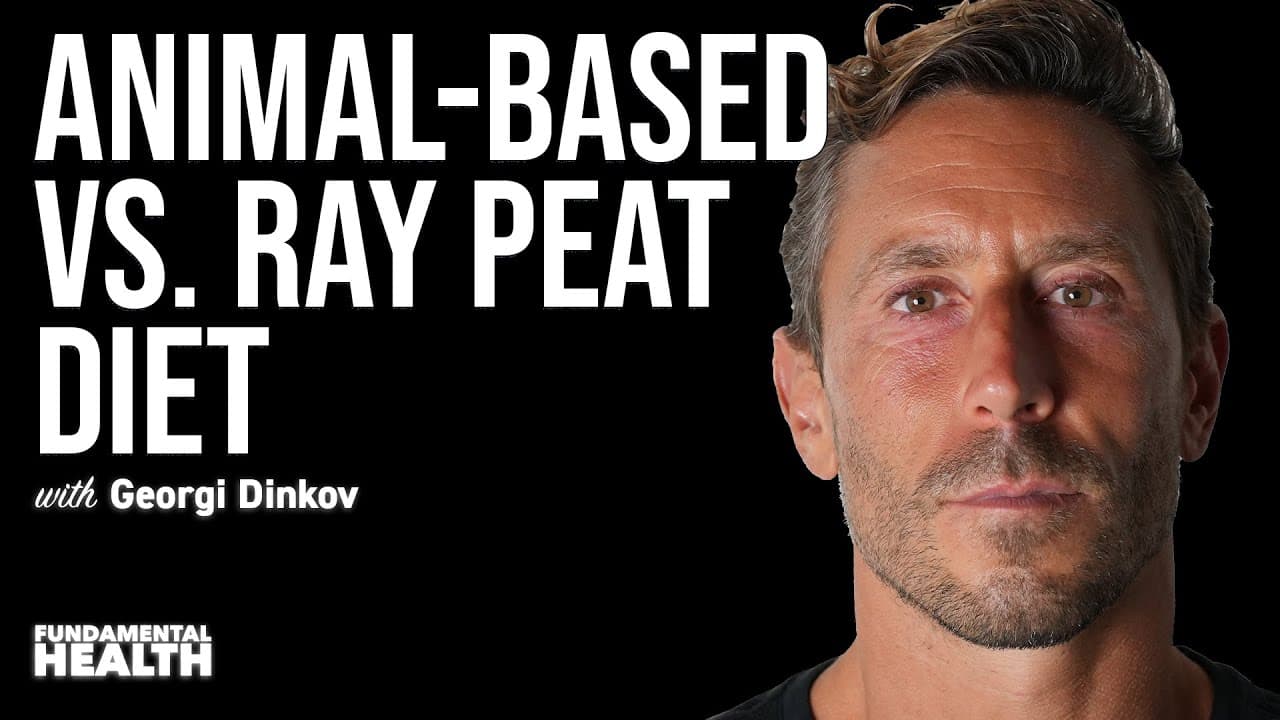
Is the Ray Peat Diet Better Than Animal-Based Diets?
TL;DR
Georgi Dinkov discusses the metabolic similarities between sucrose and high-fructose corn syrup, highlighting how inflammation and cortisol affect insulin resistance. He critiques the long-term effects of ketogenic diets on metabolism, advocating for balanced nutrition that includes carbohydrates to mitigate stress and promote health.
Transcript
on this week's podcast I have the honor of talking to Georgie dinkov he is a really smart human guys like so many he is from the tech world not originally trained in Biochemistry but this man has done the research he's gotten interested in this sort of rape heat type of philosophy so I was interested to talk to someone in that world... Read More
Key Insights
- Georgi Dinkov emphasizes the importance of questioning conventional dietary wisdom, particularly around sugar and high-fructose corn syrup, suggesting metabolic effects are similar when pure.
- The podcast explores how chronic stress and inflammation can lead to elevated cortisol levels, contributing to insulin resistance and type 2 diabetes.
- Georgi critiques ketogenic diets, suggesting they can be beneficial short-term but may lead to negative metabolic effects if followed too long.
- Discussion on the Randle Cycle highlights how excess fat intake can impair glucose metabolism, leading to increased fat storage and metabolic issues.
- Exercise is beneficial, but Georgi warns against exhaustive routines that elevate stress hormones, advocating for balanced, moderate activity.
- Serotonin is often labeled as a 'happy hormone,' but Georgi explains its role in promoting fibrosis and potential negative health impacts.
- Georgi suggests a balanced diet with moderate carbohydrate intake, even for those with metabolic issues, to prevent excess cortisol and muscle breakdown.
- The importance of organ meats is highlighted for their nutrient density, supporting overall metabolic health and hormone balance.
Install to Summarize YouTube Videos and Get Transcripts
Explore YouTube Video Summarizer or Get YouTube Transcript Extractor
Questions & Answers
Q: What is the main difference between sucrose and high-fructose corn syrup?
Georgi explains that metabolically, pure sucrose and high-fructose corn syrup are similar. However, high-fructose corn syrup often contains unprocessed starch, which can lead to inflammation and metabolic issues not seen with pure sucrose.
Q: How does chronic stress affect metabolism?
Chronic stress elevates cortisol levels, which can lead to insulin resistance by promoting gluconeogenesis and lipolysis. This process contributes to higher blood glucose levels and potentially type 2 diabetes, highlighting the importance of managing stress for metabolic health.
Q: What are the potential drawbacks of a ketogenic diet?
While ketogenic diets may provide short-term benefits, Georgi warns they can lead to elevated cortisol and stress hormones if maintained long-term. This can result in muscle breakdown, metabolic slowdown, and eventual weight gain when carbohydrates are reintroduced.
Q: Why is the Randle Cycle significant in diet discussions?
The Randle Cycle explains how excessive fat intake can block glucose metabolism, promoting fat storage and metabolic issues. Understanding this cycle helps in balancing macronutrient intake to prevent metabolic dysfunction and optimize health.
Q: What role does serotonin play in health?
Contrary to its reputation as a 'happy hormone,' serotonin can contribute to fibrosis and other health issues when elevated. Georgi highlights its complex role, advocating for caution with serotonin-boosting medications like SSRIs.
Q: How can exercise impact stress hormones?
Georgi advises against exhaustive exercise routines, which can elevate stress hormones like cortisol. Instead, he recommends moderate, balanced activity to support metabolic health without triggering excessive stress responses.
Q: What dietary approach does Georgi recommend for metabolic health?
Georgi suggests a balanced diet with moderate carbohydrates, even for those with metabolic issues, to prevent excess cortisol and muscle breakdown. He emphasizes the importance of nutrient-dense foods, including organ meats, for overall health.
Q: Why are organ meats important in a diet?
Organ meats are nutrient-dense and provide essential vitamins and minerals that support metabolic health and hormone balance. Georgi highlights their role in a balanced diet, particularly for those looking to optimize their nutritional intake.
Summary & Key Takeaways
-
In this episode, Paul and Georgi delve into the nuances of sugar metabolism, comparing sucrose with high-fructose corn syrup and discussing their similar metabolic effects when pure. They explore how chronic inflammation and stress hormones like cortisol contribute to insulin resistance and type 2 diabetes.
-
The conversation critiques ketogenic diets, noting their short-term benefits but potential long-term metabolic drawbacks. Georgi explains the Randle Cycle's role in fat metabolism and how excessive fat intake can impair glucose processing, leading to increased fat storage.
-
Georgi discusses serotonin's complex role in health, challenging its reputation as a 'happy hormone' and linking it to fibrosis. He advocates for a balanced diet, including carbohydrates, to maintain metabolic health and prevent stress-induced muscle breakdown.
Read in Other Languages (beta)
Share This Summary 📚
Summarize YouTube Videos and Get Video Transcripts with 1-Click
Try YouTube Summary with ChatGPT & Claude or YouTube Transcript Generator
Explore More Summaries from Paul Saladino MD 📚



Summarize YouTube Videos and Get Video Transcripts with 1-Click
Try YouTube Summary with ChatGPT & Claude or YouTube Transcript Generator