What Is the Scariest Thing Humans Can Fear?
TL;DR
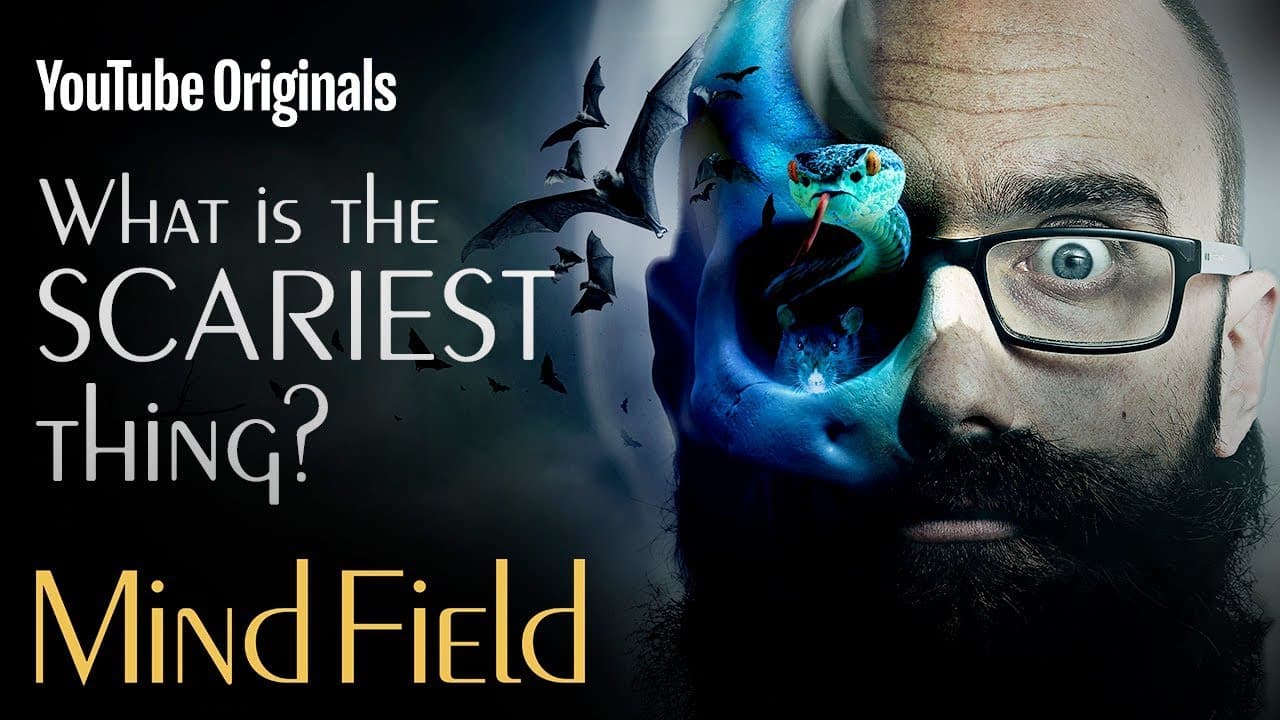
The scariest thing humans can fear is the elevation of carbon dioxide in the blood caused by an uncontrollable external threat. This fear triggers panic as it relates to the innate aversion to suffocation, highlighting how fear is both a learned response and deeply embedded in human survival instincts.
Transcript
[Michael breathing heavily] [laughing nervously] Everyone is scared of something. But is there some thing that everyone is scared of? What is the scariest thing possible? ♪ [Michael] So what is the scariest thing? - Is it thunder?
- [thunder crackles] Shadows? Being burned alive? [laughs nervously] [laughs evilly] No. It's also not heights or need... Read More
Key Insights
- 😨 Fear is a learned response that helps us avoid potential dangers.
- 😨 Fears can be innate or learned through experiences, stories, and exposure.
- 😨 The amygdala is a crucial part of the brain involved in processing fear and associating stimuli with aversive experiences.
- 😨 The scariest thing is a subjective concept, but combining multiple fears and creating category jamming can amplify the scare factor.
Install to Summarize YouTube Videos and Get Transcripts
Explore YouTube Video Summarizer or Get YouTube Transcript Extractor
Questions & Answers
Q: How are fears born?
Fears can be born through firsthand experiences, exposure to stories, and learning from others.
Q: Can a fear be conditioned?
Yes, fear conditioning is a technique that can be used to create fears by associating a neutral stimulus with an aversive experience.
Q: What role does the amygdala play in fear?
The amygdala is a part of the brain that processes fear and helps us associate stimuli with potentially dangerous situations.
Q: Why do humans tell stories to share fears?
Stories allow us to share fears and prepare the next generation for potential dangers. Language and narratives have an emotional impact on listeners, helping them learn what to be afraid of.
Q: Can anyone be scared of anything?
Given the right circumstances and conditioning, the human brain can learn to be afraid of almost anything. However, individual fears may vary based on personal experiences and factors.
Summary & Key Takeaways
-
Fear is a learned response that helps us avoid potential dangers and threats to our survival.
-
Humans have both innate aversions, such as pain and suffocation, and learned fears based on experiences and stories.
-
The brain's amygdala plays a crucial role in processing fear and associating stimuli with aversive experiences.
-
Fear can be conditioned through exposure therapy and fear conditioning techniques.
-
Category jamming, combining multiple fears and concepts, can amplify the scare factor in horror films.
-
The scariest thing possible is the elevation of carbon dioxide in the blood caused by an uncontrollable external threat.
Read in Other Languages (beta)
Share This Summary 📚
Summarize YouTube Videos and Get Video Transcripts with 1-Click
Try YouTube Summary with ChatGPT & Claude or YouTube Transcript Generator
Explore More Summaries from Vsauce 📚

Summarize YouTube Videos and Get Video Transcripts with 1-Click
Try YouTube Summary with ChatGPT & Claude or YouTube Transcript Generator