How To Move a Building
TL;DR
Buildings, including lighthouses and skyscrapers, can be physically moved to protect them from damage or make way for new developments, using techniques such as hydraulic jacks and robotic legs.
Transcript
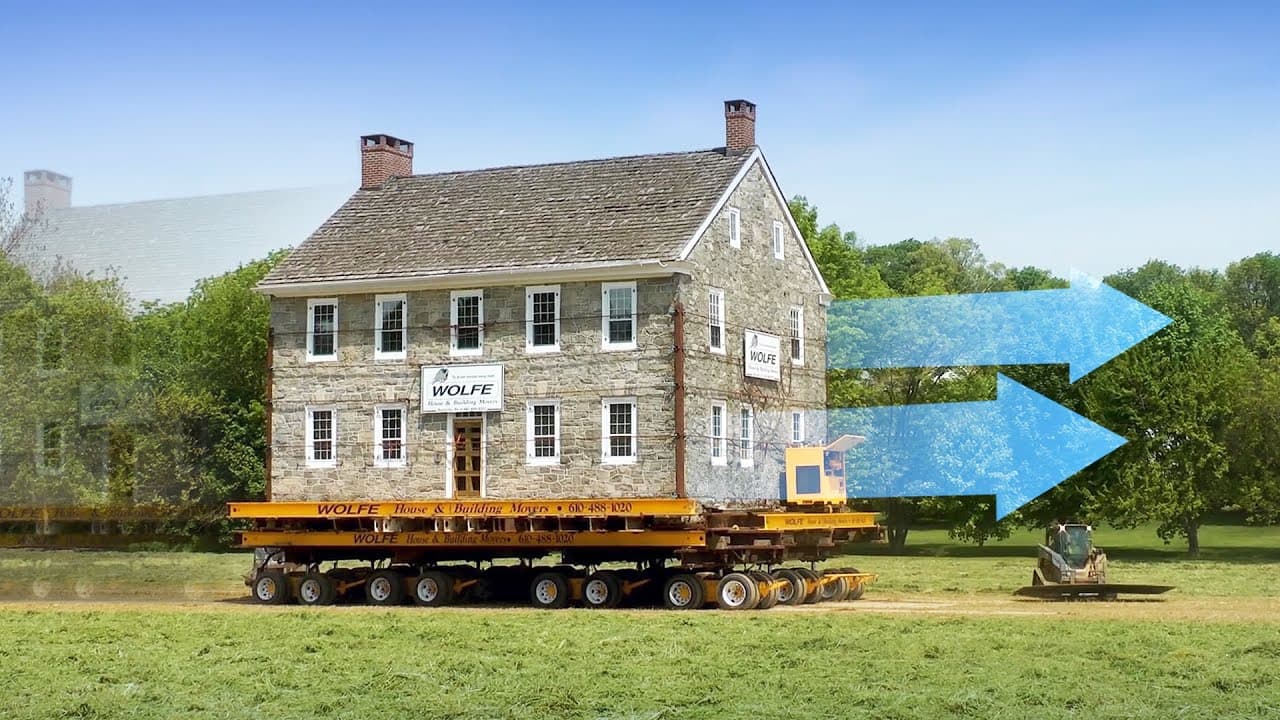
solid engineered and extremely heavy we're used to seeing our buildings remain where we built them but that's not always convenient and in extreme circumstances engineers can pick up and relocate entire structures from the shifting of whole lighthouses and airports to heritage homes and even schools this is a look inside the careful expensive and t... Read More
Key Insights
- 👳 Buildings are often moved to preserve historic structures or accommodate urban development.
- 😁 Hydraulic jacks and steel beams are commonly used to lift and support buildings during relocation.
- 🚃 Skyscrapers and lighthouses have been successfully moved using hydraulic dollies, rails, or other innovative techniques.
- 👳 China has become a pioneer in building relocation due to its historical structures and rapid urban development.
- 🦿 Innovative methods, such as robotic legs, have been used to move buildings with unique designs.
- 🏛️ Building relocation can often be a time-consuming and costly process.
- 💟 The Cape Pateras lighthouse and Newark airport's art deco terminal are notable examples of successful building relocations.
Install to Summarize YouTube Videos and Get Transcripts
Explore YouTube Video Summarizer or Get YouTube Transcript Extractor
Questions & Answers
Q: Why are buildings moved?
Buildings are moved to safeguard historic structures from damage or to make space for new construction projects.
Q: How was the Cape Pateras lighthouse moved?
The lighthouse was mounted on a foundation with hydraulic jacks and then pushed 884 meters away from the encroaching ocean.
Q: What is the process of moving a building?
Small openings are made in the building's foundations to install a temporary framework with hydraulic jacks. The building is then lifted and can be moved using rails or hydraulic dollies.
Q: What is the heaviest structure ever moved intact?
The Fugang building in China, weighing 15,000 tons, holds the record for the heaviest intact building moved during a 36-meter relocation.
Q: How was a heritage building moved in Mexico City?
Hydraulic jacks were used to slide a 1920s heritage building out of the way for a skyscraper's construction, and it was later placed back as part of the new structure's entrance.
Summary & Key Takeaways
-
Buildings are moved to protect historic structures or accommodate new developments.
-
The 380-ton Cape Pateras lighthouse in the US was successfully moved 884 meters to evade coastline erosion.
-
Hydraulic jacks and steel beams are used to lift buildings, and rails or hydraulic dollies enable movement over short distances.
Read in Other Languages (beta)
Share This Summary 📚
Summarize YouTube Videos and Get Video Transcripts with 1-Click
Try YouTube Summary with ChatGPT & Claude or YouTube Transcript Generator
Explore More Summaries from The B1M 📚




Summarize YouTube Videos and Get Video Transcripts with 1-Click
Try YouTube Summary with ChatGPT & Claude or YouTube Transcript Generator