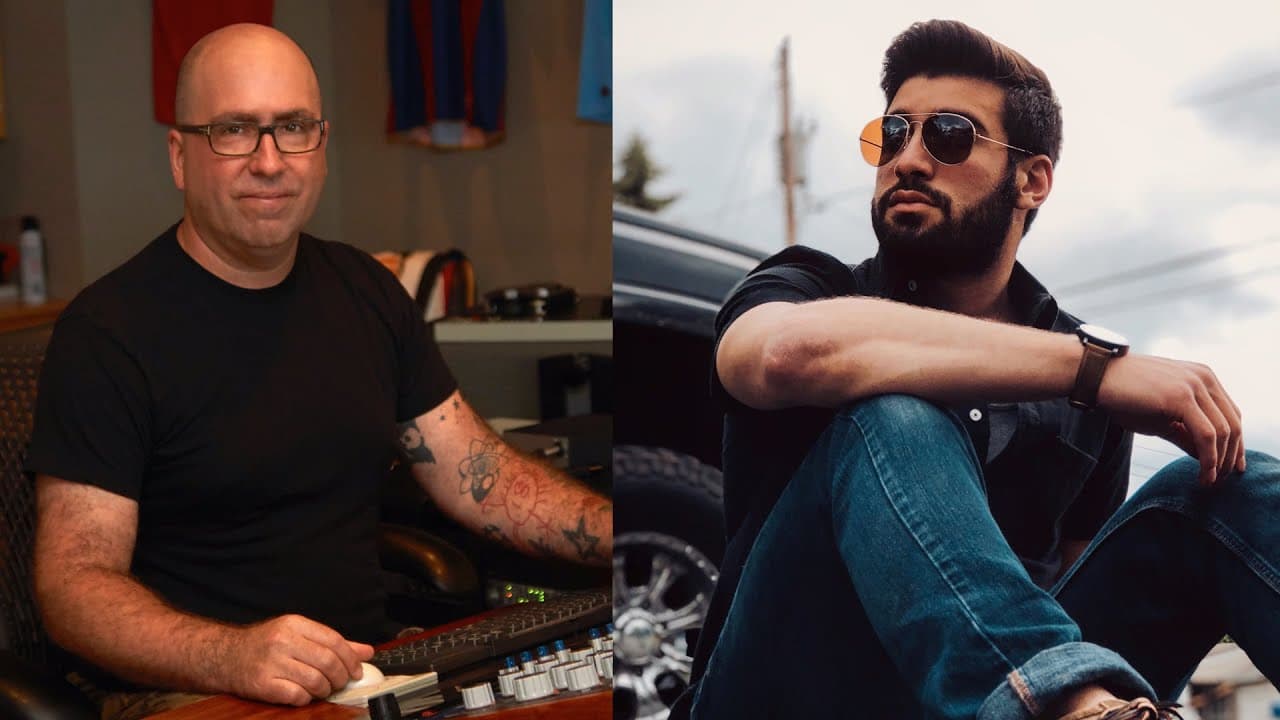
The Mastering Engineer for BTS, Harry Styles, TØP, MGK, Dua Lipa & More | Chris Gehringer Interview
TL;DR
Chris Garringer, a mastering engineer at Sterling Sound, discusses his career in the music industry and the evolving role of mastering in the digital age.
Transcript
hey what's going on everybody welcome back to the channel my name is jacob restituto i'm a musician from northport new york and we have a very special interview today i'm really looking forward to this interview we have chris garringer here on the channel the mastermind the mastermind behind the master ring of all these massive hits that you've pro... Read More
Key Insights
- 👂 Mastering is the final creative step in music production, ensuring that tracks sound polished and balanced.
- 👶 Adapting to changes in the music industry is crucial for mastering engineers, especially with the shift towards streaming and new technologies like Dolby Atmos.
- 🧑🎨 Building connections and relationships with artists, producers, and mix engineers is essential for success in the music industry.
- 💩 The qualities of a hit song can vary, but emotional impact and strong lyrics often contribute to its success.
- 🔊 Mastering engineers often charge an hourly or package rate, and the income comes from working on a high volume of projects.
Install to Summarize YouTube Videos and Get Transcripts
Explore YouTube Video Summarizer or Get YouTube Transcript Extractor
Questions & Answers
Q: What is mastering, and how does it contribute to the music-making process?
Mastering is the last creative step in music production, ensuring that the final product sounds polished. It involves editing, equalizing, and compressing the tracks to achieve a cohesive and professional sound quality.
Q: How did you get into the music industry, and what led you to become a mastering engineer?
Chris Garringer's love for music since his teenage years led him to initially work in live sound and recording studios. Eventually, he found his passion for mastering and has been a mastering engineer for over 35 years.
Q: Has the role of mastering changed with the advent of streaming and new technologies?
Yes, the role of mastering has evolved to adapt to different music formats. With the rise of streaming, mastering now focuses on ensuring optimal sound quality for digital platforms, considering factors like levels, equalization, and formatting for different streaming services.
Q: How do you handle the pressure of working on tracks for big-name artists or potential hits?
Chris Garringer acknowledges the pressure of working with famous artists but emphasizes the importance of remaining focused and providing the best service possible. He believes in his abilities and the importance of staying true to one's passion and beliefs.
Summary & Key Takeaways
-
Chris Garringer explains that mastering is the last creative step in the music-making process, ensuring that the final product sounds polished and balanced.
-
He shares his journey into the music industry, starting with his passion for music as a teenager and his transition from live sound and recording studios to mastering.
-
Garringer reflects on the changes he has witnessed in the music industry, from different formats like vinyl, CDs, and streaming, to the emergence of new technologies like Dolby Atmos.
-
He emphasizes the importance of continuously adapting to the evolving music industry and the need to have an open perspective on opportunities.
Read in Other Languages (beta)
Share This Summary 📚
Summarize YouTube Videos and Get Video Transcripts with 1-Click
Try YouTube Summary with ChatGPT & Claude or YouTube Transcript Generator
Explore More Summaries from More Than Music | The Jacob Restituto Podcast 📚




Summarize YouTube Videos and Get Video Transcripts with 1-Click
Try YouTube Summary with ChatGPT & Claude or YouTube Transcript Generator