What Makes Dexter's Laboratory a Cartoon Network Classic?
TL;DR
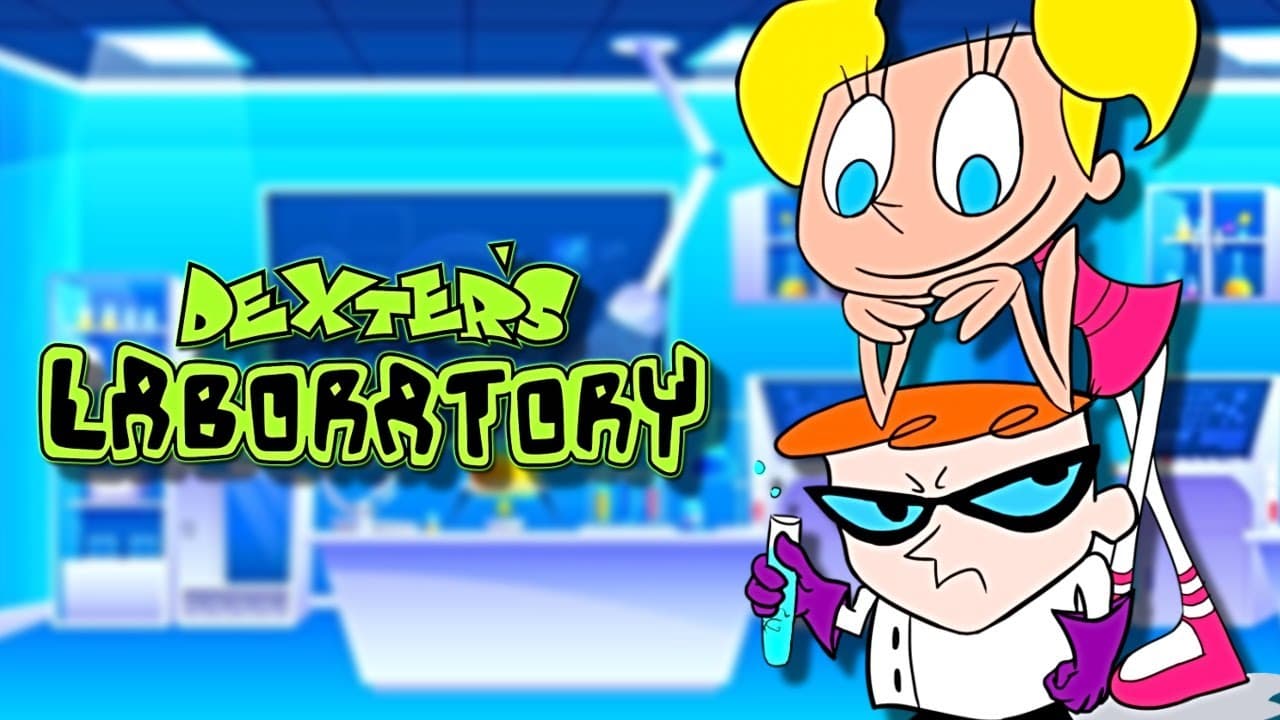
Dexter's Laboratory is celebrated as Cartoon Network's first original animated series, premiering on April 28, 1996. The show, featuring a boy genius and his troublesome sister Dee Dee, blends humor and clever sibling dynamics, greatly influencing the evolution of animated programming. Its simplistic character design and surreal comedy have made it enduringly popular among both children and adults.
Transcript
oh Dexter sweetie yeah Dexter's Laboratory 1996 cartoon explored all of us spent hours sitting in front of the television watching iconic TV shows like Johnny Bravo and the Powerpuff Girls on the Cartoon Network today we're going to be looking at one of the most memorable shows from the channel Dexter's Laboratory the show ran from 1996 to 2003 for... Read More
Key Insights
- 👶 Dexter's Laboratory was Cartoon Network's inaugural original animated series, premiering on April 28, 1996, revolutionizing children's programming.
- 🎨 The character designs in the series were purposely simplistic, contributing to its unique visual identity and comedic style, which differentiated it from more realistic animations.
- 🫥 Sibling dynamics are central to the show's humor, mirroring real-life sibling rivalries, allowing audiences to connect deeply with Dexter and Dee Dee's relationship.
- ❓ The series reflects themes of intelligence versus incompetence, primarily showcased through Dexter's brilliant inventions often thwarted by Dee Dee's carefree nature.
- 👶 Dexter's Laboratory integrates surreal and physical comedy heavily influenced by slapstick traditions, appealing to both children and adult audiences.
- 🫵 The creator, Tartakovsky, incorporated personal experiences and memories into the show's narrative, making it both authentic and relatable to viewers.
- ❓ The show's legacy is characterized by its impact on future animated series, influencing storytelling methods and character archetypes across the animation industry.
Install to Summarize YouTube Videos and Get Transcripts
Explore YouTube Video Summarizer or Get YouTube Transcript Extractor
Questions & Answers
Q: What inspired the creation of Dexter's Laboratory?
The series was inspired by creator Gendy Tartakovsky's childhood, specifically his experiences with his older brother Alex. Tartakovsky's early sketches, particularly of a slender girl resembling Dee Dee, led to the creation of Dexter, who serves as her opposite, embodying the academic and scientific pursuits.
Q: How did the animation style of Dexter's Laboratory differ from Disney's approach?
Dexter's Laboratory adopted a simplistic and exaggerated animation style that avoided realistic human representations, contrasting sharply with Disney's detailed character designs. This approach echoed vintage cartoons from Hanna-Barbera and UPA, allowing for a more playful and surreal humor.
Q: What is the significance of the sibling rivalry between Dexter and Dee Dee?
The rivalry between Dexter and Dee Dee serves as a core element of the show, highlighting themes of competition and misunderstanding. Their comedic interactions and Dee Dee's incessant meddling result in humorous scenarios, which resonate with audiences familiar with sibling dynamics.
Q: How did the series impact future animated shows on Cartoon Network?
Dexter's Laboratory set a precedent for Cartoon Network's programming by being its first original animated series. It inspired subsequent shows like Adventure Time and Steven Universe, emphasizing unique storytelling and character development while fostering a culture of creative animation in television.
Q: What were some of the key sound effects used in the series?
The series integrated sound effects from classic Hanna-Barbera cartoons, drawing on their unique audio landscapes to enhance comedic moments. This element became part of its signature style, helping to create a nostalgic and humorous atmosphere in each episode.
Q: Why was Dexter given a Russian accent, and what does it signify?
Dexter was given a Russian accent to signify his identity as a serious scientist, aligning him with the stereotype of intelligent scientists who often have distinct accents. Creator Tartakovsky noted that it allows viewers to question Dexter's authenticity, making him a more nuanced character.
Q: What unusual humor and themes are present in the episodes?
The show features surreal humor and bizarre situations, such as Dexter's chaotic experiments and Dee Dee's disruptive antics. These episodes often blend mundane childhood experiences with fantastical elements, exploring themes of creativity, intelligence, and sibling bonds through comedic storytelling.
Q: What are some achievements and milestones of Dexter's Laboratory during its run?
The show ran for four seasons from 1996 to 2003, earning critical acclaim and a loyal fan base. It became a foundational work for animated television, showcasing a unique blend of humor and storytelling, paving the way for future original animated series on Cartoon Network.
Summary & Key Takeaways
-
Dexter’s Laboratory debuted in 1996, showcasing a boy genius's secret lab, often disrupted by his sister Dee Dee. It became Cartoon Network's first original animated series, blending unique humor and character dynamics.
-
The show was inspired by the creator’s childhood experiences and sibling rivalry, illustrated through the comedic conflicts between Dexter and Dee Dee, which defined the series' appeal.
-
Despite its short episodes, Dexter’s Laboratory left a lasting impact on animation, paving the way for future original programming on networks like Cartoon Network.
Read in Other Languages (beta)
Share This Summary 📚
Summarize YouTube Videos and Get Video Transcripts with 1-Click
Try YouTube Summary with ChatGPT & Claude or YouTube Transcript Generator
Explore More Summaries from Marvelous Videos 📚






Summarize YouTube Videos and Get Video Transcripts with 1-Click
Try YouTube Summary with ChatGPT & Claude or YouTube Transcript Generator