How to Design a PERMACULTURE NEIGHBORHOOD
TL;DR
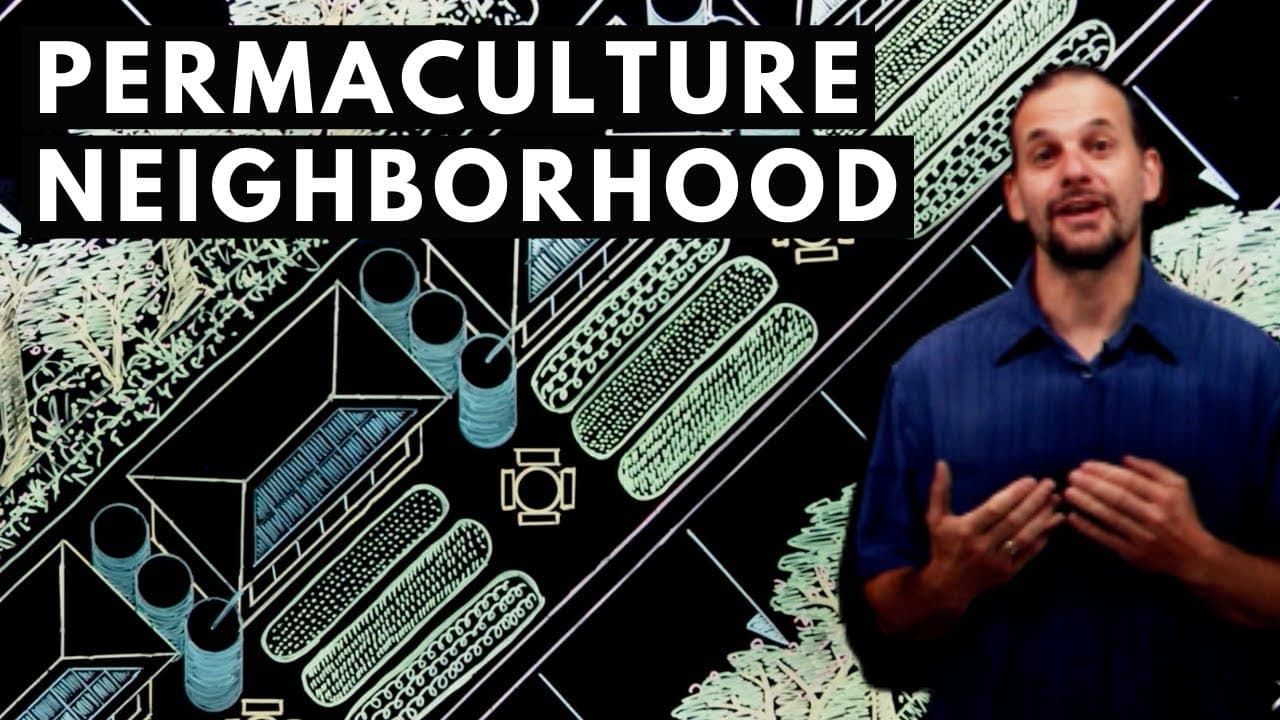
Learn how to create sustainable neighborhoods through permaculture principles, including solar orientation, water harvesting, and community-centered design.
Transcript
so it's really less of an issue than money to make a good neighborhood then it is an issue of intelligence and information the solutions that i'm going to show you right now are for neighborhood design and are embarrassingly simple and when you realize how obvious the patterns are for arranging houses roads water runoff and trees you're going to be... Read More
Key Insights
- 🏘️ Proper solar orientation reduces energy consumption by 50% compared to poorly designed houses.
- 😋 Water harvesting systems can replace conventional storm drains and promote biodiversity in the form of food forests and swales.
- 👣 Community-centered designs reduce the environmental footprint while fostering collaboration and shared resources.
- 🫓 Permaculture neighborhoods can be adapted to various landscape characteristics, including flat or sloped land.
- 🙂 Each site requires a unique design that considers factors such as light, water, slope, and access.
- 🎨 Permaculture principles offer endless possibilities for sustainable neighborhood design.
- 💁 Designing sustainable neighborhoods is more about intelligence and information than financial resources.
Install to Summarize YouTube Videos and Get Transcripts
Explore YouTube Video Summarizer or Get YouTube Transcript Extractor
Questions & Answers
Q: Why is solar orientation important in sustainable neighborhood design?
Solar orientation is crucial because it maximizes sunlight exposure in winter for heating purposes and reduces energy consumption by 50% compared to east or west-facing houses.
Q: How can water harvesting benefit sustainable neighborhoods?
Water harvesting helps collect rainwater for irrigation, reducing the need for conventional landscape installation. Additionally, it promotes the creation of food forests and swales to improve water management and enhance biodiversity.
Q: What are the advantages of a community-centered design?
Community-centered designs reduce the number of roads required, allowing more space for shared resources. They also encourage collaboration, foster a sense of belonging, and promote sustainable practices among neighbors.
Q: Are permaculture neighborhoods only suitable for flat land?
No, permaculture principles can be applied to sloped areas as well. By building along contour lines around water harvesting ponds and directing water towards the pond, houses can be designed to optimize sunlight exposure and create a harmonious interaction with the landscape.
Summary & Key Takeaways
-
Solar orientation: Properly aligning houses to receive maximum sunlight in winter for solar heating and natural lighting, while shading windows in summer to keep the interior cool.
-
Water harvesting: Collecting rainwater from roofs and roadways in tanks and basins for irrigation, and using excess water to create food forests and swales.
-
Community-centered design: Reducing the number of roads, incorporating common water harvesting swales, and creating community farm areas for shared resources.
Read in Other Languages (beta)
Share This Summary 📚
Summarize YouTube Videos and Get Video Transcripts with 1-Click
Try YouTube Summary with ChatGPT & Claude or YouTube Transcript Generator
Explore More Summaries from Andrew Millison 📚






Summarize YouTube Videos and Get Video Transcripts with 1-Click
Try YouTube Summary with ChatGPT & Claude or YouTube Transcript Generator