Transforming Jobs, Wages and Work | Jobs Reset Summit 2020
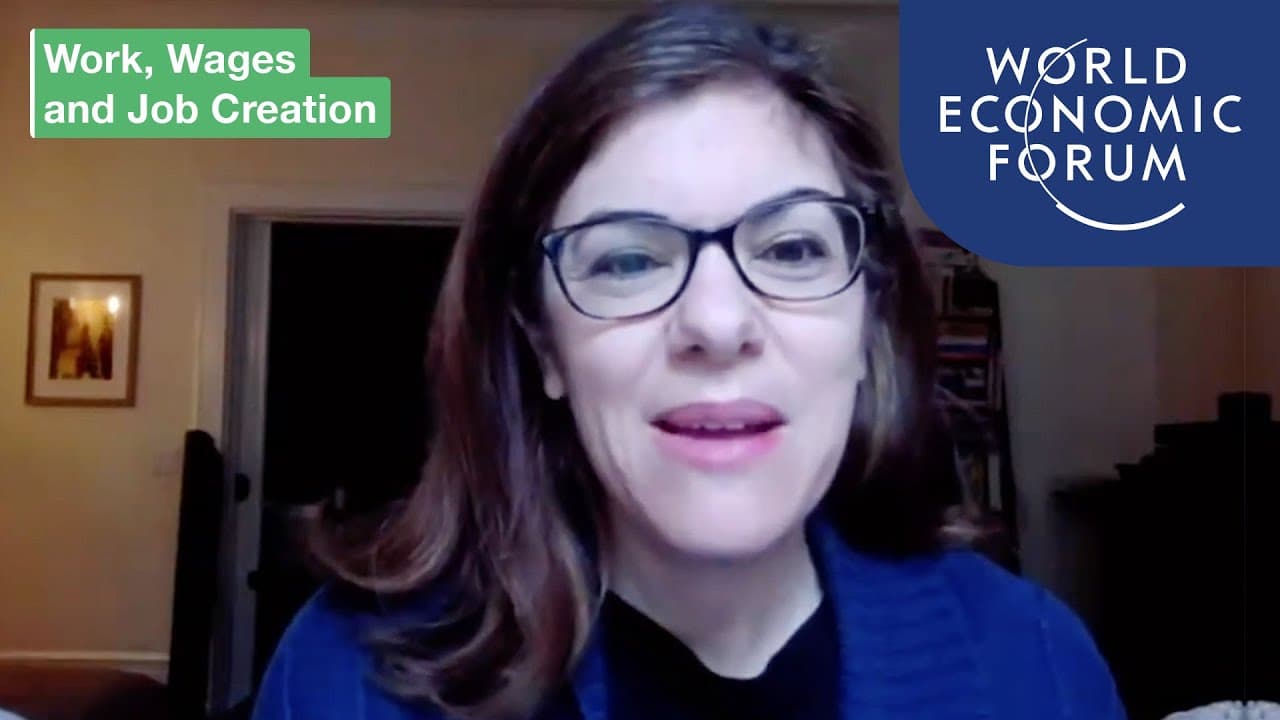
TL;DR
The panelists discuss the impact of technology on work and the need for a new social contract that prioritizes investment in jobs, universal social protection, and sustainable working practices.
Transcript
right now we're facing a crisis of international proportion it's a health care crisis but it's also an economic crisis it's going to have long-term impact for us and we're going to see that the biggest impact is actually going to be acceleration of inequality the systematic way that we have been built is not holding up the foundation is cracking ou... Read More
Key Insights
- 👾 The workforce is rapidly changing, with technology accelerating the pace of automation and job displacement.
- 💦 Investment in people, social protection, institutions of work, and sectors with employment potential is crucial for better outcomes in jobs, wages, and work.
- 🧚 Both the formal and informal labor sectors need improvements in regulations, social contracts, and wages to ensure fair working conditions.
Install to Summarize YouTube Videos and Get Transcripts
Explore YouTube Video Summarizer or Get YouTube Transcript Extractor
Questions & Answers
Q: What should be the responsibilities of employers in the new world of work?
Employers should have a zero jobs policy, creating new jobs for every job lost or displaced. A new social contract is needed, negotiated with employers, workers, and governments, that ensures job security and universal social protection.
Q: How can policy initiatives support better outcomes for jobs, wages, and work?
Policy initiatives should focus on investing in people, social protection, and job creation in sectors such as care, green economy, and infrastructure. It is essential to have a common international purpose to tackle global challenges.
Q: What can corporate boards do to create sustainable working practices?
Corporate boards should embrace a new mindset that values the contribution of humans beyond work and considers work-life balance. They should invest in people, redefine productivity, and support the transition from workplaces for efficiency to workplaces for effectiveness and sustainability.
Q: Should the gig economy be regulated and improved rather than vilified?
Yes, better regulation and support mechanisms are needed for the gig economy, ensuring that flexibility does not lead to exploitative work. This should be done while also considering the needs and preferences of the younger generation for flexibility and freedom.
Summary & Key Takeaways
-
The pandemic has highlighted the need for a new social contract that includes investment in jobs, universal social protection, and work-life balance.
-
Technology plays a crucial role in shaping the future of work, with opportunities for more diverse, equitable, and remote workplaces.
-
The gig economy and flexible workforce need better regulation and support mechanisms to ensure fair working conditions.
-
The role of corporate boards is to invest in people, promote sustainable working practices, and create a more holistic approach to work.
Read in Other Languages (beta)
Share This Summary 📚
Summarize YouTube Videos and Get Video Transcripts with 1-Click
Try YouTube Summary with ChatGPT & Claude or YouTube Transcript Generator
Explore More Summaries from World Economic Forum 📚

Summarize YouTube Videos and Get Video Transcripts with 1-Click
Try YouTube Summary with ChatGPT & Claude or YouTube Transcript Generator