How to Build Muscle with Short Daily Workouts
TL;DR
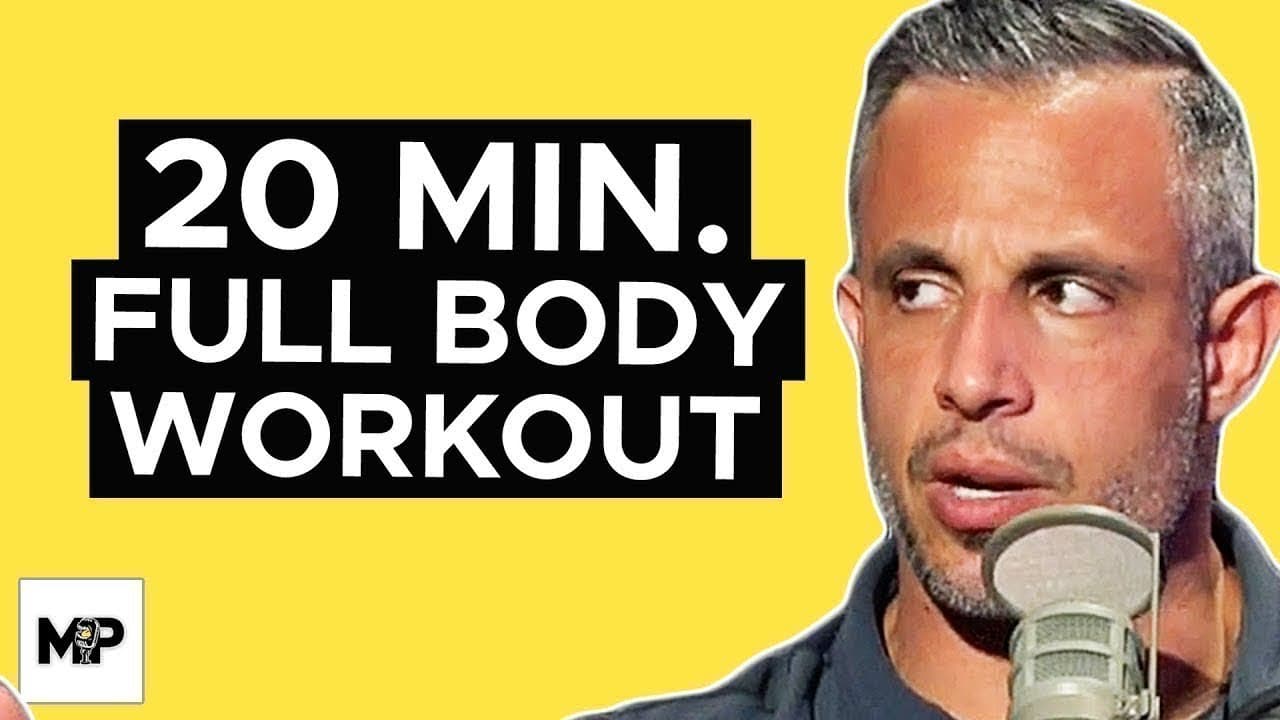
Exercising for 20 minutes a day, six days a week, can yield better muscle-building results than longer, less frequent workouts. This approach enhances technique, consistency, and adaptation by minimizing fatigue and maximizing frequency. The key is focusing on compound lifts and controlling workout intensity to prevent overtraining.
Transcript
what we're going to talk about today is how you can work out 20 minutes six days a week take your total volume and see if you can divide it up over short workouts six days a week 20 minutes six days a week which is about two hours a week but here's the difference what you'll get with 20 minutes a day is going to be better results probably probably ... Read More
Key Insights
- Short, frequent workouts can lead to better muscle-building results than longer, infrequent sessions.
- Working out 20 minutes a day for six days can improve technique by reducing fatigue.
- Consistency is easier to maintain with shorter, daily workouts compared to longer, weekly ones.
- Focusing on compound lifts in short sessions maximizes efficiency and effectiveness.
- Daily short workouts provide an energy boost, enhancing overall daily performance.
- Frequent workouts allow for easy modification based on daily energy levels and recovery.
- Short workouts encourage adaptation over healing, promoting muscle growth.
- Listening to your body and adjusting intensity is crucial for maximizing benefits from frequent workouts.
Install to Summarize YouTube Videos and Get Transcripts
Explore YouTube Video Summarizer or Get YouTube Transcript Extractor
Questions & Answers
Q: How can working out 20 minutes a day be more effective than longer sessions?
Working out 20 minutes a day can be more effective because it enhances technique and consistency by reducing fatigue. Frequent, shorter sessions allow for better form, improved adaptation, and consistent practice, leading to faster muscle growth compared to longer, less frequent workouts.
Q: What are the benefits of short, frequent workouts?
Short, frequent workouts offer several benefits: improved technique due to reduced fatigue, easier consistency and adherence, enhanced muscle adaptation, and overall better daily energy levels. This approach also allows for flexibility in modifying workouts based on daily energy and recovery levels.
Q: Why is frequency important in a workout routine?
Frequency is important because it allows for consistent practice and adaptation, leading to better muscle growth and improved technique. Frequent workouts ensure the body is regularly stimulated, promoting muscle building and strength gains while minimizing the risk of overtraining and fatigue.
Q: How do short workouts improve technique?
Short workouts improve technique by minimizing fatigue, allowing individuals to maintain better form and focus during each exercise. With less fatigue, there's a reduced risk of compromising technique, leading to more effective and safer workouts that enhance muscle growth and strength.
Q: What types of exercises should be included in a 20-minute workout?
A 20-minute workout should focus on compound lifts such as squats, deadlifts, bench presses, and rows, which target multiple muscle groups. Including one or two isolation exercises can complement these lifts, but the primary focus should be on exercises that provide the most benefit in the shortest time.
Q: How can short workouts boost daily energy levels?
Short workouts boost daily energy levels by acting as quick energizers, improving mood and alertness without causing excessive fatigue. These sessions increase blood flow and release endorphins, providing a natural energy boost that enhances overall daily performance and productivity.
Q: What is the difference between adaptation and healing in workouts?
Adaptation refers to the body's process of becoming stronger and more resilient in response to regular exercise stimuli, while healing focuses on recovering from damage caused by intense workouts. Short, frequent sessions prioritize adaptation, promoting muscle growth without excessive damage that requires prolonged healing.
Q: How does listening to your body enhance workout success?
Listening to your body enhances workout success by allowing you to adjust intensity and volume based on daily energy and recovery levels. This approach helps prevent overtraining, ensures effective workouts, and promotes long-term consistency and progress in muscle growth and overall fitness.
Summary & Key Takeaways
-
Exercising for 20 minutes a day, six days a week, can lead to better muscle-building results than longer, less frequent workouts. This approach allows for improved technique, consistency, and adaptation by minimizing fatigue and maximizing frequency. The focus should be on compound lifts and controlling workout intensity to prevent overtraining.
-
Short, frequent workouts help maintain better technique as fatigue is minimized, allowing for improved form and effectiveness. This method is also easier to stay consistent with, as shorter daily workouts fit more easily into busy schedules compared to longer sessions.
-
Frequent short workouts encourage the body to adapt and grow muscle, as opposed to just healing from damage caused by intense, infrequent sessions. This approach also helps individuals listen to their bodies and adjust intensity, promoting long-term fitness success.
Read in Other Languages (beta)
Share This Summary 📚
Summarize YouTube Videos and Get Video Transcripts with 1-Click
Try YouTube Summary with ChatGPT & Claude or YouTube Transcript Generator
Explore More Summaries from Mind Pump Show 📚




Summarize YouTube Videos and Get Video Transcripts with 1-Click
Try YouTube Summary with ChatGPT & Claude or YouTube Transcript Generator