Are You Carb Loading Wrong, Macros, Electrolytes, and More – Ask a Cycling Coach Podcast 439
TL;DR
Proper nutrition is crucial for endurance athletes, but macro ratios and calorie tracking can be complex. It's important to prioritize fueling your workouts and supporting recovery, rather than obsessing over specific ratios or calorie counts.
Transcript
welcome to the ask a cycling coach podcast presented by trainer road today we're going to talk all about nutrition and we have we have Alex Larson with us from Alex Larson nutrition stoked to have you Alex yeah thanks for having me of course you're getting close to due date it's exciting times yes baby's coming soon very soon thanks for home stretc... Read More
Key Insights
- 🏪 Carb loading should involve a blend of complex and simple carbs to efficiently load glycogen stores.
- 😅 Sweat tests can help determine individual sodium losses, and sodium replacement during exercise is crucial to prevent hyponatremia.
- 🥳 Calculating nutrition needs based on body weight, training volume, and goals is more effective than relying on specific macro ratios.
- 😅 Tracking calories and weighing food every day may not be necessary for all athletes and can lead to disordered eating habits.
Install to Summarize YouTube Videos and Get Transcripts
Explore YouTube Video Summarizer or Get YouTube Transcript Extractor
Questions & Answers
Q: How should I approach carb loading? Should I focus on complex carbs or simple carbs?
A blend of complex and simple carbs is generally recommended for carb loading. Choose lower-fiber complex carbs like white rice and whole grain, lower-fiber breads, and choose simpler carbs like juice or fruit juice smoothies to help reach carb goals without feeling overly full.
Q: What should I consider when replacing sodium during exercise?
Sodium losses vary among individuals, so it's important to perform a sweat test to determine your sodium losses. Sodium capsules or electrolyte carb-based beverages can be used to replace sodium during workouts, and preloading with sodium may also be beneficial.
Q: Should I track my daily calorie intake including the carbs consumed during training?
It's important to consider your overall energy needs, including calories consumed during training, when tracking your daily intake. However, focusing on fueling workouts and supporting recovery is more important than obsessing over specific ratios or calorie counts.
Q: Can I just eat healthy without tracking macros or calories to optimize my performance?
Eating healthy is important, but it's essential to focus on nourishing your body and fueling your workouts rather than restrictive eating. Prioritize overall nutrition and listen to your body's hunger cues to support optimal performance.
Summary & Key Takeaways
-
Carbohydrate loading is commonly practiced before races, but a blend of complex and simple carbs is generally recommended to efficiently load glycogen stores.
-
Sweat tests can help determine sodium losses during exercise, and replacing sodium during workouts is important to prevent hyponatremia. Preloading with sodium may also be beneficial.
-
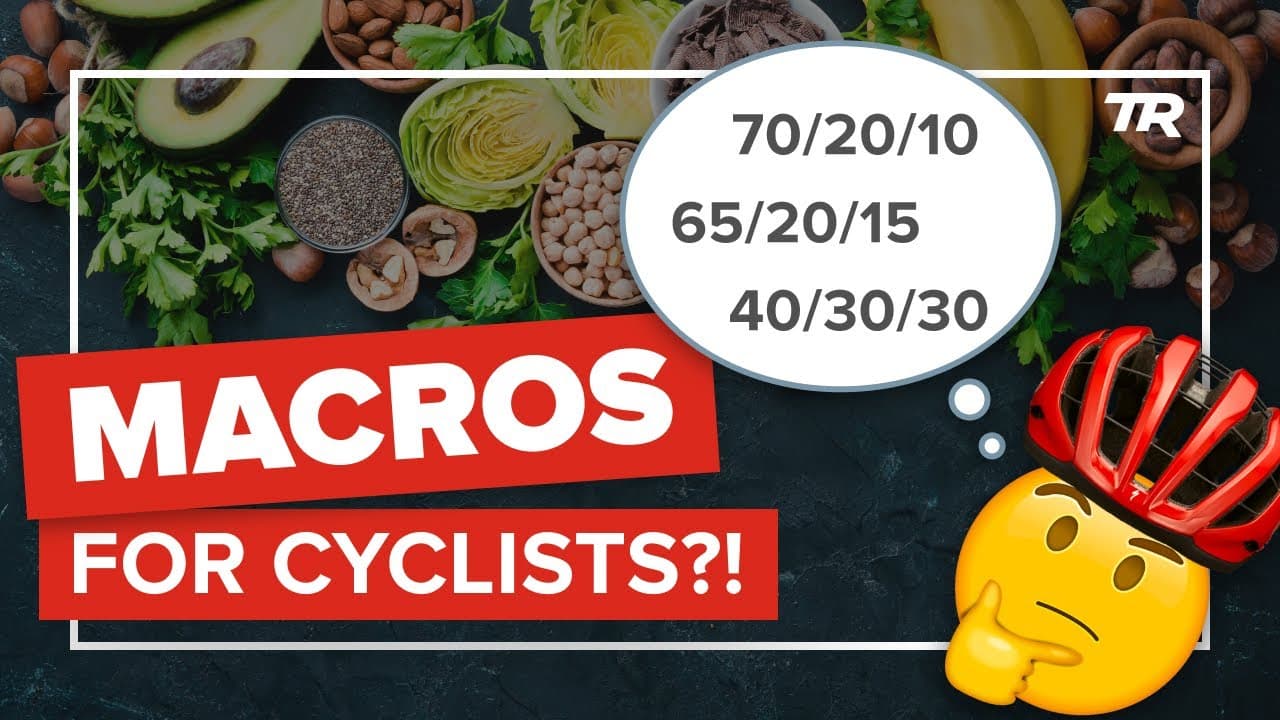
Macro ratios, such as 70:20:10, are more suitable for carb loading and may not be necessary for everyday training. Calculating nutrition needs based on body weight, training volume, and goals is more effective.
-
Tracking calories and weighing food every day may not be necessary for all athletes, and it can lead to disordered eating habits. Focus on fueling workouts and recovering properly, and listen to your body's hunger cues.
Read in Other Languages (beta)
Share This Summary 📚
Summarize YouTube Videos and Get Video Transcripts with 1-Click
Try YouTube Summary with ChatGPT & Claude or YouTube Transcript Generator
Explore More Summaries from The Ask a Cycling Coach Podcast 📚






Summarize YouTube Videos and Get Video Transcripts with 1-Click
Try YouTube Summary with ChatGPT & Claude or YouTube Transcript Generator