What Is Compassion and How Can It Foster Altruism?
TL;DR
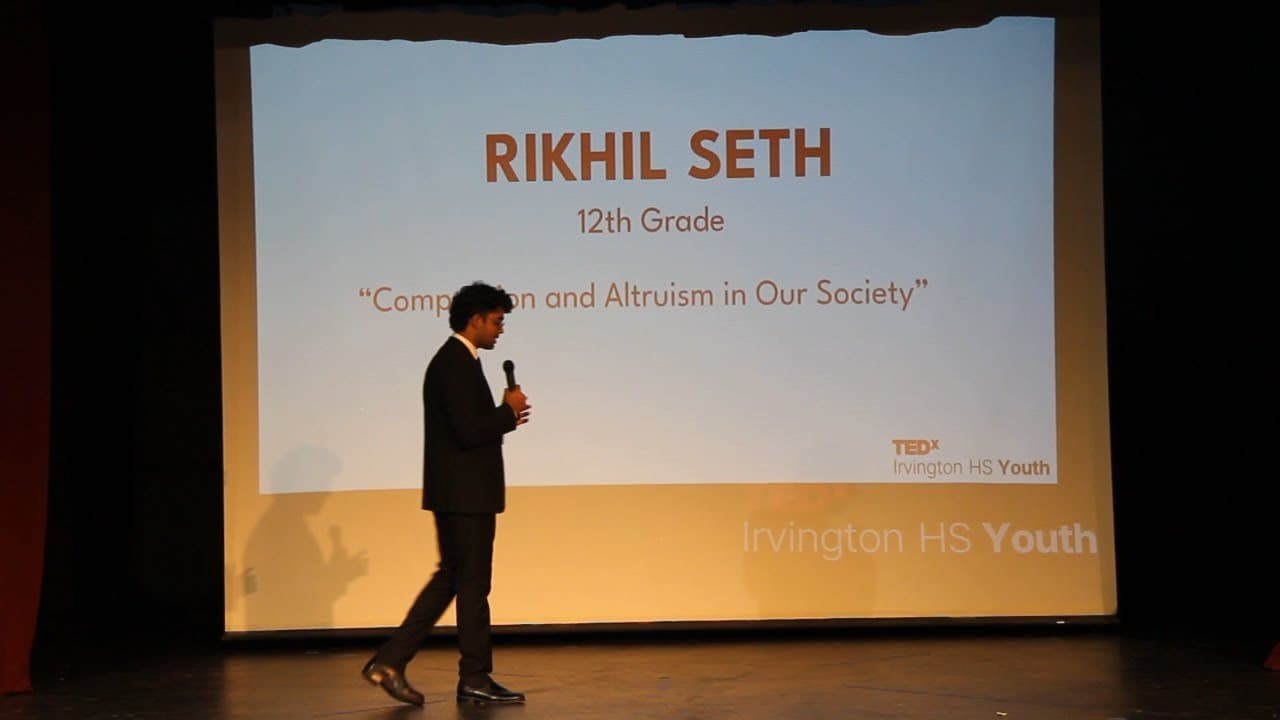
Compassion is the innate desire to alleviate others' distress, rooted in our brains and observable even toward strangers. Studies show that people naturally prefer cooperation over selfish behavior, indicating an inherent capacity for altruism. By harnessing our compassionate emotions through selfless gestures, we can cultivate a more caring and altruistic society.
Transcript
Thomas Hobbs a 17th century English philosopher once said that man is not naturally good but naturally a selfish henst some philosophers and their thoughts on the role of compassion in society have been unforgiving and pessimistic in addition social science is littered with literature and philosophies on how self-interested is driving life and Soci... Read More
Key Insights
- 💅 Man is naturally selfish, but philosophers have explored the role of compassion in society.
- 🤳 Self-interest is often considered the basis for natural order, modern economics, and capitalism.
- 😨 Compassion, defined as sympathy and care for others, is rooted in our brains, especially towards blood relatives.
- 👯 Scientific studies show that most people prefer to cooperate and benefit each other, even with strangers.
- 😨 Compassionate emotions drive altruistic actions, as observed in the speaker's experience volunteering at a pediatric palliative and hospice care facility.
- 🤟 Building a more altruistic society requires individuals to bridge compassionate emotions with selfless gestures.
- 😑 Expressing compassion towards others can improve the overall quality of life and create a more caring community.
Install to Summarize YouTube Videos and Get Transcripts
Explore YouTube Video Summarizer or Get YouTube Transcript Extractor
Questions & Answers
Q: How is compassion defined?
Compassion is defined as sympathetic consciousness of others' distress with a desire to alleviate it.
Q: Are humans naturally compassionate beings?
Yes, scientific studies indicate that compassion towards blood relatives is deeply rooted in our brains.
Q: Do people demonstrate compassion towards strangers?
Yes, studies show that most people prefer to cooperate and benefit each other, even with complete strangers.
Q: How can compassion be harnessed to create a more altruistic society?
By sharing a smile, talking to others, and expressing selfless gestures, we can create a more altruistic society.
Summary & Key Takeaways
-
Compassion is defined as sympathetic consciousness of others' distress with a desire to alleviate it.
-
Scientific studies indicate that compassion towards blood relatives is deeply rooted in our brains.
-
Another study suggests that most people prefer to cooperate and benefit each other, even with strangers.
-
The speaker shares personal experiences volunteering at a pediatric palliative and hospice care facility, where compassionate emotions drive altruistic actions.
Read in Other Languages (beta)
Share This Summary 📚
Summarize YouTube Videos and Get Video Transcripts with 1-Click
Try YouTube Summary with ChatGPT & Claude or YouTube Transcript Generator
Explore More Summaries from TEDx Talks 📚

Summarize YouTube Videos and Get Video Transcripts with 1-Click
Try YouTube Summary with ChatGPT & Claude or YouTube Transcript Generator