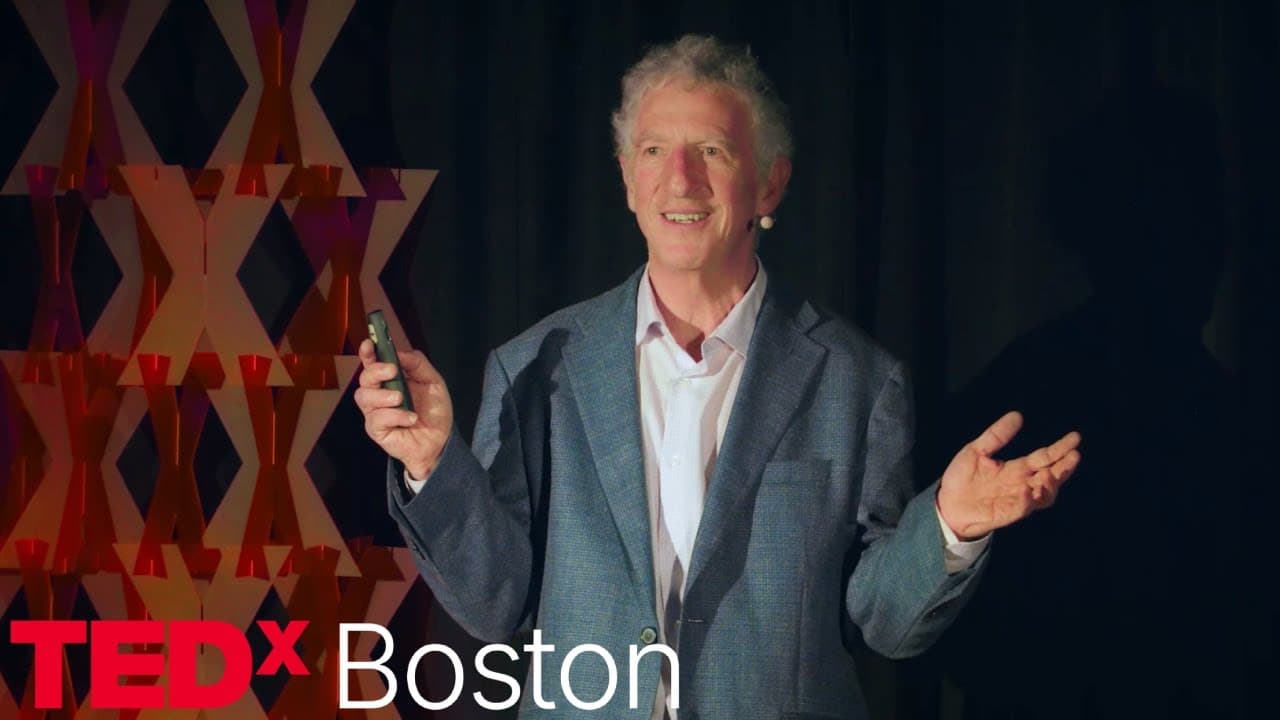
5 key habits for longer healthspans | Dr. Tom Perls | TEDxBoston
TL;DR
Exploring the factors influencing long and healthy lives.
Transcript
Transcriber: Narek Bznuni Reviewer: Massa Krayem What if I told you that there was somebody alive today that may live to be 130 with that intrigue you, or would it scare you? And people living to 100. If you could live to 100, would you want to live that long? Well, today we're going to be talking about something that affects all of us how old we l... Read More
Key Insights
- 🛟 Average life expectancy has increased significantly over the last century, from 46 years in 1900 to 85 years today.
- 😘 Socioeconomic status greatly influences average life expectancy, with disparities evident between affluent and low-income areas.
- 🤩 Key lifestyle choices can lead to substantial increases in life expectancy, especially when multiple healthy habits are adopted concurrently.
- 🖐️ Genetic predisposition plays a critical role in determining life span, with distinctive protective genetic signatures linked to longevity.
- 🧑⚕️ Longevity can run in families, but the presence of certain lifestyle choices can influence health outcomes regardless of genetic heritage.
- 🧓 Social engagement and maintaining a sense of purpose contribute significantly to better health and longevity in older adults.
- 🧑🏭 Research on supercentenarians aims to identify genetic and biological factors that enable extraordinary lifespans beyond 110 years.
Install to Summarize YouTube Videos and Get Transcripts
Explore YouTube Video Summarizer or Get YouTube Transcript Extractor
Questions & Answers
Q: What is the difference between lifespan and average life expectancy?
Lifespan refers to the maximum age reached by an individual of a species, while life expectancy is the mean age at death for a population. For humans, the record lifespan is set by Jeanne Calment at 122 years, while average life expectancy in the U.S. varies widely based on factors such as socioeconomic status and geography.
Q: What key health habits can increase life expectancy according to the research?
The study identified five crucial health behaviors: adhering to a Mediterranean diet, engaging in at least 150 minutes of exercise weekly, avoiding obesity, not smoking, and moderating alcohol consumption. Adopting these habits can significantly extend life expectancy, with women gaining an additional 14 years and men 12 years.
Q: What role do genetics play in extreme longevity?
Genetics are vital in determining longevity, with protective genes impacting an individual's lifespan. Research suggests certain genetic signatures vary globally and are inherited. Families with a history of longevity often have members who reach centenarian status, potentially indicating inherited advantageous genetic traits.
Q: How does socioeconomic status affect life expectancy?
Socioeconomic factors, such as income, education, and access to healthcare, create disparities in life expectancy. Wealthier neighborhoods typically have significantly higher average life expectancies compared to poorer areas, highlighting systemic issues like poverty and racism that affect health outcomes.
Q: What unique traits do centenarians share that contribute to their longevity?
Many centenarians exhibit common traits including active social lives, a strong sense of purpose, and resilience. These characteristics, along with healthier lifestyle choices, contribute significantly to their ability to live long and healthy lives while maintaining independent living.
Q: What can be learned from supercentenarians?
Supercentenarians offer valuable insights into extreme longevity, as they represent individuals who have lived to be 110 or older. Ongoing studies of these exceptional cases aim to uncover genetic signatures and biological pathways that contribute to their remarkable lifespans, potentially leading to breakthroughs in aging research.
Q: Can anyone enhance their chances of living longer, even without a family history of longevity?
Yes! Individuals can improve their longevity prospects by adopting key health habits identified in research—a Mediterranean diet, regular exercise, weight management, and moderation in alcohol consumption. These lifestyle changes can provide a route to better health and extended lifespans regardless of genetic background.
Q: How does having children later in life affect women's longevity?
Research indicates that women who have children after the age of 40 have a higher likelihood of living to 100. This correlation suggests that slower reproductive aging may also reflect overall bodily aging, suggesting reproductive health may be linked to longevity.
Summary & Key Takeaways
-
The content discusses the distinction between lifespan and life expectancy, detailing how socioeconomic factors greatly influence average life spans across different demographics in the U.S.
-
Research identifies key personal habits that can extend life expectancy, notably a Mediterranean diet, exercise, weight control, and moderate alcohol consumption, with significant benefits reported for those embracing these habits.
-
The study of centenarians highlights both genetic factors and lifestyle choices that contribute to extreme longevity, emphasizing social connections and purposeful living as crucial elements.
Read in Other Languages (beta)
Share This Summary 📚
Summarize YouTube Videos and Get Video Transcripts with 1-Click
Try YouTube Summary with ChatGPT & Claude or YouTube Transcript Generator
Explore More Summaries from TEDx Talks 📚




Summarize YouTube Videos and Get Video Transcripts with 1-Click
Try YouTube Summary with ChatGPT & Claude or YouTube Transcript Generator