A Culinary Journey through India: Beyond boundaries and through time | Prachi Agarkar | TEDxPICT
TL;DR
Indian food has evolved over time with influences from different cultures, resulting in a diverse and flavorful cuisine.
Transcript
hi everyone and welcome to my dead talk so today I'm here to talk about something that everyone loves and that is food and before I begin I would like to start by saying that I'm a quintessential Mumbai girl I love everything with pow you name it and I love it so what P Kima pow Miss pow I love everything and I'm sure and I'm sure you all have hear... Read More
Key Insights
- 😋 Indian street food, like Pav Bhaji, exemplifies the fusion of various ingredients and flavors from different cultures.
- 🇮🇴 The regional diversity of Indian cuisine is influenced by climate, geography, and historical events, resulting in distinct flavors and culinary traditions.
- 😋 Traditional Indian food was hyperlocal, seasonal, and fresh, but changing food habits and globalization have led to a loss of awareness about the nutritional value of traditional dishes.
- 😋 Food festivals in India, like Makar Sankranti, have both cultural and scientific significance, with foods chosen to provide warmth and nourishment during specific seasons.
- 😋 Authentic Indian food can be found in offerings made to deities and in ancient temples, consisting of indigenous ingredients rather than those introduced by colonizers or invaders.
- 🤕 Traditional Indian recipes were scientifically formulated to provide balanced nutrition based on individual needs, age, gender, and to help with specific ailments and postpartum recovery.
- 😋 There is a need for younger generations to appreciate and embrace traditional Indian food for its nutritional value and cultural heritage.
Install to Summarize YouTube Videos and Get Transcripts
Explore YouTube Video Summarizer or Get YouTube Transcript Extractor
Questions & Answers
Q: How has Indian food evolved over time?
Indian food has evolved through the influence of various cultures, such as the Mughals, Portuguese, and British, resulting in a blend of flavors and ingredients in dishes like kebabs, gulab jamun, and idli.
Q: What are some examples of regional differences in Indian cuisine?
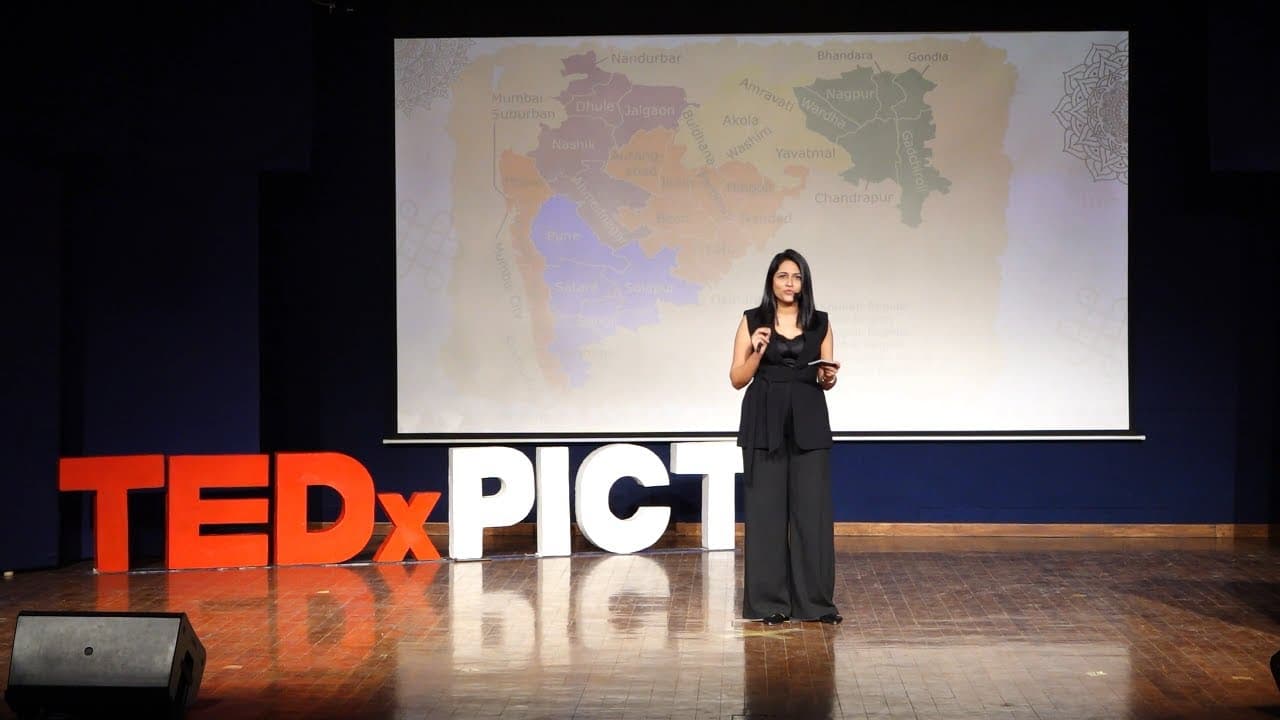
In coastal areas like Konkan, seafood and rice are staples, while inland regions like Pune and Satara have spicier and more complex dishes with the use of dry coconut. Khandeshi cuisine in the drought-prone region of Khandesh is known for its extremely spicy food.
Q: How does climate affect Indian food?
Hot and humid regions in South India have spicy food, while cooler regions in the North have milder flavors. Maharashtra, being a large state, has diverse cuisine reflecting different climatic conditions, such as the hot and spicy food in Nagpur and the rich flavors of Kolhapur.
Q: Why is it important to preserve traditional recipes?
Traditional recipes carry cultural and historical significance, providing a balanced diet and specific nutrition for different needs, seasons, and regions. Preserving these recipes helps maintain the wisdom and expertise of our ancestors and promotes awareness of the nutritional value of traditional food.
Summary & Key Takeaways
-
Indian street food, like Pav Bhaji, is a blend of ingredients from different cultures, with the masalas and lemon juice adding an Indian touch.
-
Indian food is highly regional, with distinct cuisines in different parts of the country influenced by climate, geography, and historical events.
-
Traditional Indian food was hyperlocal, seasonal, and fresh, but globalization has led to changes in food habits and the loss of awareness about the nutritional value of traditional dishes.
Read in Other Languages (beta)
Share This Summary 📚
Summarize YouTube Videos and Get Video Transcripts with 1-Click
Try YouTube Summary with ChatGPT & Claude or YouTube Transcript Generator
Explore More Summaries from TEDx Talks 📚






Summarize YouTube Videos and Get Video Transcripts with 1-Click
Try YouTube Summary with ChatGPT & Claude or YouTube Transcript Generator