How to Manage Pentad Syndrome Effectively
TL;DR
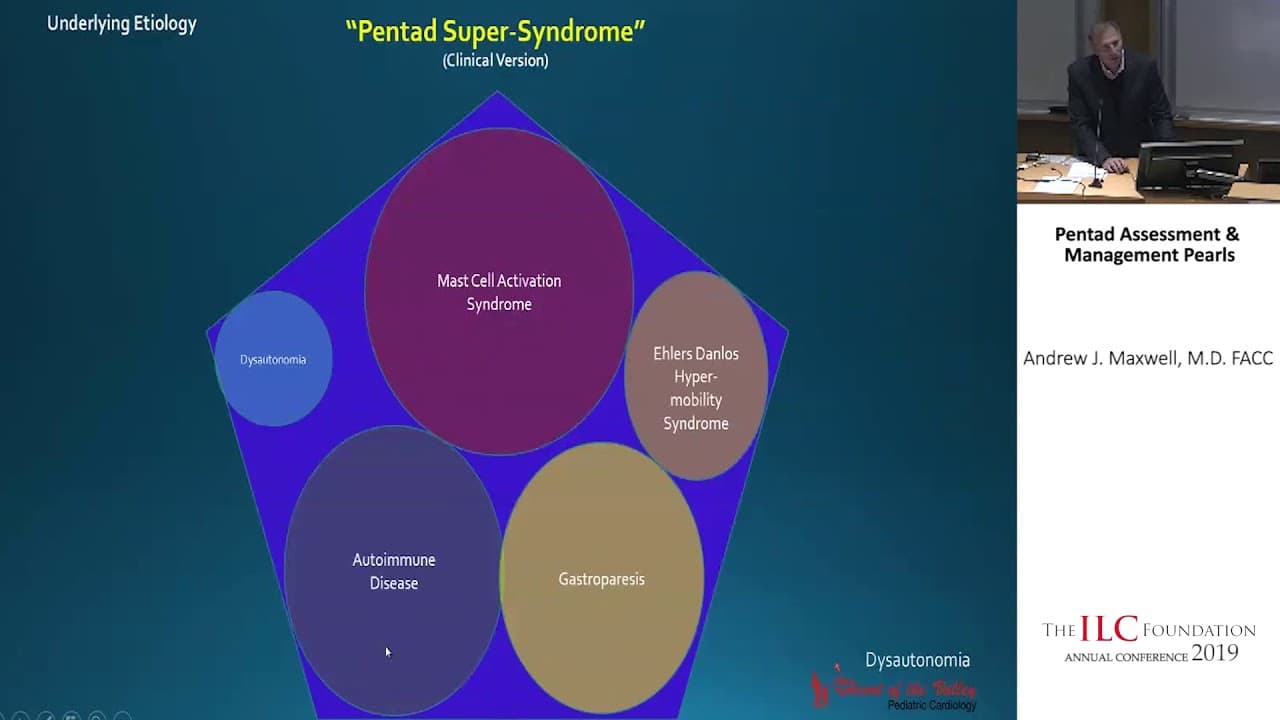
Pentad syndrome involves a combination of five conditions, including dysautonomia, mast cell activation, Ehlers-Danlos syndrome, autoimmune disease, and gastrointestinal dysmotility. Effective management requires understanding the interplay between these conditions and utilizing targeted treatments such as functional grading, medication, and lifestyle adjustments. The goal is to stabilize symptoms and improve quality of life by addressing each component of the pentad.
Transcript
I have a lot of slides and so I'm just gonna get as far as I can before someone tells me that I have to stop and so I'm gonna go from there okay so the idea here is I'm going to really quickly review some of the things I said yesterday including what the pentad is the grading system and actually expand upon that from yesterd... Read More
Key Insights
- Pentad syndrome consists of five interconnected conditions, including dysautonomia and mast cell activation.
- Functional grading of dysautonomia helps tailor treatment plans based on symptom severity.
- Beta blockers and other medications can stabilize heart rate and reduce symptoms in dysautonomia.
- Mast cell activation syndrome requires a multi-faceted treatment approach, addressing all potential triggers.
- Embryology and natural history of the pentad highlight different entry points into the syndrome.
- Estrogen influences the prevalence and severity of dysautonomia symptoms, especially in females.
- Heart rate variability monitoring is crucial for assessing treatment effectiveness in pentad syndrome.
- Choline and pantethine supplements can enhance acetylcholine production and improve symptoms.
Install to Summarize YouTube Videos and Get Transcripts
Explore YouTube Video Summarizer or Get YouTube Transcript Extractor
Questions & Answers
Q: What is pentad syndrome?
Pentad syndrome is a combination of five conditions: dysautonomia, mast cell activation, Ehlers-Danlos syndrome, autoimmune disease, and gastrointestinal dysmotility. These conditions interact and exacerbate each other, requiring a comprehensive management approach to address the complex symptomatology and improve patient outcomes.
Q: How does functional grading help in managing dysautonomia?
Functional grading of dysautonomia categorizes patients based on symptom severity, ranging from mild to severe. This system helps healthcare providers tailor treatment plans by determining the necessary workup and therapy intensity. It guides decisions on medication, lifestyle adjustments, and monitoring, ensuring a personalized approach to dysautonomia management.
Q: Why is heart rate variability monitoring important in pentad syndrome?
Heart rate variability monitoring provides insights into the autonomic nervous system's function, which is crucial in pentad syndrome management. It helps assess the effectiveness of treatments, such as beta blockers and supplements, by quantifying changes in heart rate patterns. This data guides treatment adjustments, aiming to stabilize symptoms and enhance patient well-being.
Q: What role do beta blockers play in managing dysautonomia?
Beta blockers are used to stabilize heart rate and reduce symptoms in dysautonomia by blocking sympathetic overdrive. They help manage racing heart, palpitations, and anxiety, improving overall cardiovascular stability. However, they must be used cautiously, considering potential side effects like lowered blood pressure, and often require combination with other medications for optimal results.
Q: How is mast cell activation syndrome treated in pentad syndrome?
Mast cell activation syndrome in pentad syndrome requires a multi-faceted treatment approach. This includes using medications like antihistamines and mast cell stabilizers, adopting a low-histamine diet, and addressing potential triggers such as stress and allergens. Comprehensive management aims to reduce mast cell activation and alleviate associated symptoms, improving patient quality of life.
Q: What is the significance of estrogen in dysautonomia symptoms?
Estrogen plays a significant role in dysautonomia symptoms, particularly in females, due to its vasodilatory effects. This hormonal influence can exacerbate symptoms like dizziness and fainting, making females more susceptible to severe dysautonomia. Understanding this gender difference is crucial for tailoring treatment plans and managing symptoms effectively in female patients.
Q: How do choline and pantethine supplements help in pentad syndrome?
Choline and pantethine supplements enhance acetylcholine production, which is often impaired in pentad syndrome, particularly in dysautonomia. By increasing acetylcholine levels, these supplements improve autonomic nervous system function, reducing symptoms like fatigue, dizziness, and racing heart. They can be used alongside medications for a synergistic effect, contributing to overall symptom management.
Q: What is the natural history of the pentad syndrome?
The natural history of pentad syndrome involves different entry points, such as primary vagus nerve dysfunction or mast cell derangement. Over time, these conditions interact, leading to a progression through various phases, including renal hypovolemia and metabolic dysfunction. Understanding this progression helps in anticipating symptom evolution and tailoring management strategies accordingly.
Summary & Key Takeaways
-
Pentad syndrome involves five interconnected conditions, requiring a comprehensive approach for effective management. Dysautonomia, a key component, is graded functionally to guide treatment, with beta blockers and other medications playing a crucial role. Mast cell activation syndrome is addressed through a multi-faceted approach, considering all potential triggers. Understanding the embryology and natural history of the pentad helps in identifying different entry points into the syndrome.
-
Gender differences, particularly the role of estrogen, affect the prevalence and severity of dysautonomia symptoms, making females more susceptible. Monitoring heart rate variability is essential for assessing the effectiveness of treatments, such as choline and pantethine supplements, which enhance acetylcholine production. This comprehensive management strategy aims to stabilize symptoms and improve quality of life for individuals with pentad syndrome.
-
The pentad syndrome management strategy involves understanding the interplay of its five conditions and utilizing targeted treatments. Functional grading of dysautonomia helps tailor treatment plans, while medications like beta blockers stabilize symptoms. Mast cell activation syndrome requires addressing all triggers, and heart rate variability monitoring is crucial for treatment assessment. Supplements like choline and pantethine aid in symptom improvement by enhancing acetylcholine production.
Read in Other Languages (beta)
Share This Summary 📚
Summarize YouTube Videos and Get Video Transcripts with 1-Click
Try YouTube Summary with ChatGPT & Claude or YouTube Transcript Generator