7 Species That Were Saved From Extinction
TL;DR
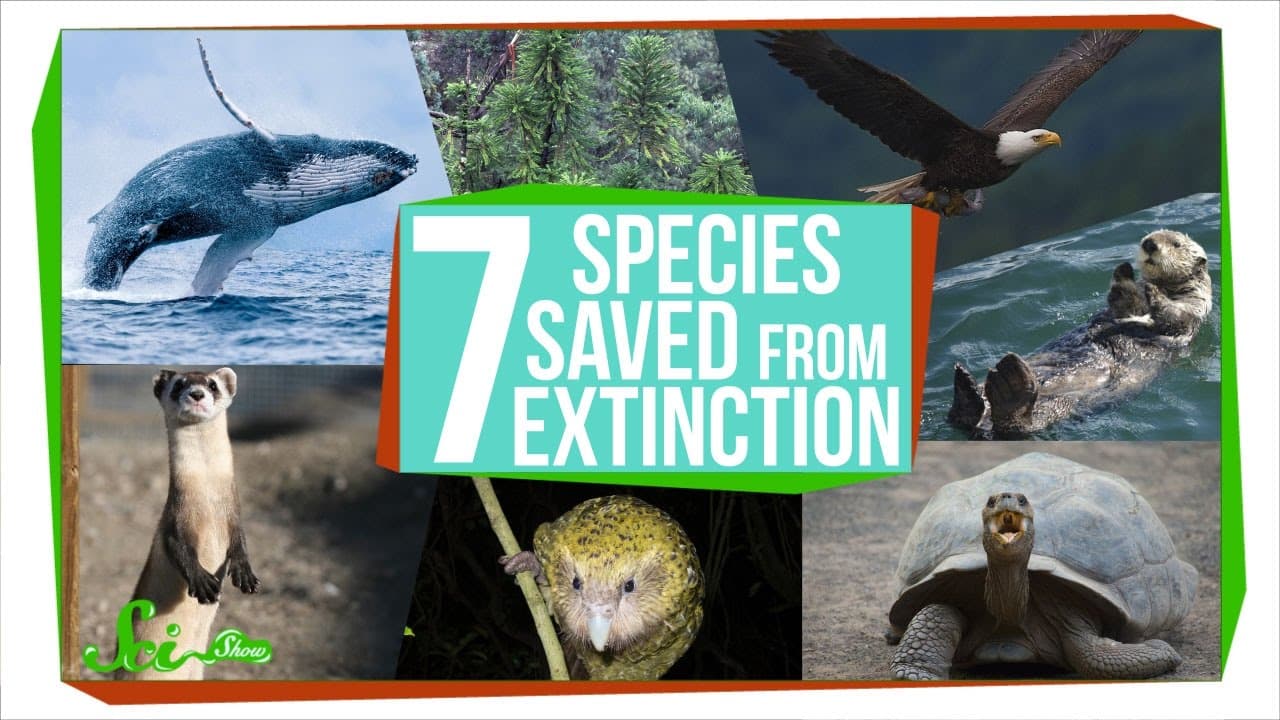
Humans have had a negative impact on many species, but there are success stories where conservation efforts have brought back species from the brink of extinction.
Transcript
Humans have had a pretty big influence on planet Earth and on the things that live on it. And not all of that influence has been positive. Extinction rates, for example, are thought to be a thousand times higher with humans around than they would be without us. But not all endangered species are headed the way of the dodo or the thylacine. Some are... Read More
Key Insights
- ◀️ Conservation efforts, such as reintroduction programs and habitat restoration, have reversed the decline of certain endangered species.
- 🎮 Disease control through vaccines has been crucial in improving the survival chances of reintroduced species.
- 🤕 Banning harmful substances like DDT can have a significant positive impact on endangered species.
- 👨🔬 Monitoring and research efforts in conservation programs help understand species' behaviors and address challenges.
- 🧑🏭 Genetic diversity and habitat preservation are crucial factors in the long-term survival of recovering species.
- 🤢 Protecting keystone species like sea otters can have positive effects on the entire ecosystem.
- ❓ While human activities have negatively impacted many species, successful conservation efforts show that we can make a positive difference.
Install to Summarize YouTube Videos and Get Transcripts
Explore YouTube Video Summarizer or Get YouTube Transcript Extractor
Questions & Answers
Q: How were black-footed ferrets brought back from extinction?
Black-footed ferrets were reintroduced to areas with thriving prairie dog populations and researchers have developed vaccines to combat diseases affecting their survival.
Q: What caused the decline of the Galapagos tortoises and how were their populations restored?
Human hunting, habitat destruction, and the introduction of invasive species led to the decline of Galapagos tortoises. Conservation efforts focused on removing invasive species and captive breeding programs have helped their numbers increase.
Q: What were the consequences of DDT on bald eagle populations and how have they recovered?
DDT caused thinning of bald eagle eggshells, resulting in reproductive issues. Banning DDT and environmental recovery allowed their populations to increase, although they are still not as high as they once were.
Q: How have conservation efforts helped the kākāpō population recover and what challenges remain?
Conservation efforts have created predator-free islands where kākāpō populations can be monitored. While their numbers are increasing, genetic diversity is a concern for their long-term survival.
Q: How did the ban on commercial whaling contribute to the recovery of humpback whales?
Banning commercial whaling allowed humpback whale populations to rebound as they were no longer hunted for meat and oil.
Q: Why were Wollemi pines at risk of extinction and how were efforts made to protect them?
Wollemi pines had a small and vulnerable population, and the risk of forest fires threatened their existence. Reintroduction efforts and understanding their preferred habitats have helped protect them.
Q: How have sea otters impacted their ecosystem?
Sea otters help control sea urchin populations, which allows kelp forests to thrive. Their presence has had a positive cascade effect on their ecosystem.
Summary & Key Takeaways
-
The black-footed ferret, a specialized prairie-dog hunter, was classified as "Extinct in the Wild" but has made a comeback through reintroduction and conservation efforts.
-
Galapagos tortoises faced challenges due to human activities, but habitat restoration and captive breeding programs have helped their populations recover.
-
DDT, a once-promising insecticide, endangered species like bald eagles; banning it has led to their population increase.
-
The kākāpō, a flightless parrot, faced threats from invasive predators, but conservation efforts have led to population growth, although genetic diversity is a concern.
-
Humpback whales and Wollemi pines have also made successful recoveries with the ban on commercial whaling and reintroduction efforts, respectively.
-
Sea otters have rebounded due to protection measures, and their presence has had positive effects on their ecosystem.
Read in Other Languages (beta)
Share This Summary 📚
Summarize YouTube Videos and Get Video Transcripts with 1-Click
Try YouTube Summary with ChatGPT & Claude or YouTube Transcript Generator
Explore More Summaries from SciShow 📚


Summarize YouTube Videos and Get Video Transcripts with 1-Click
Try YouTube Summary with ChatGPT & Claude or YouTube Transcript Generator