Science Briefing on NASA Mission Studying Earth's Atmosphere and Oceans (Feb. 4, 2024)
TL;DR
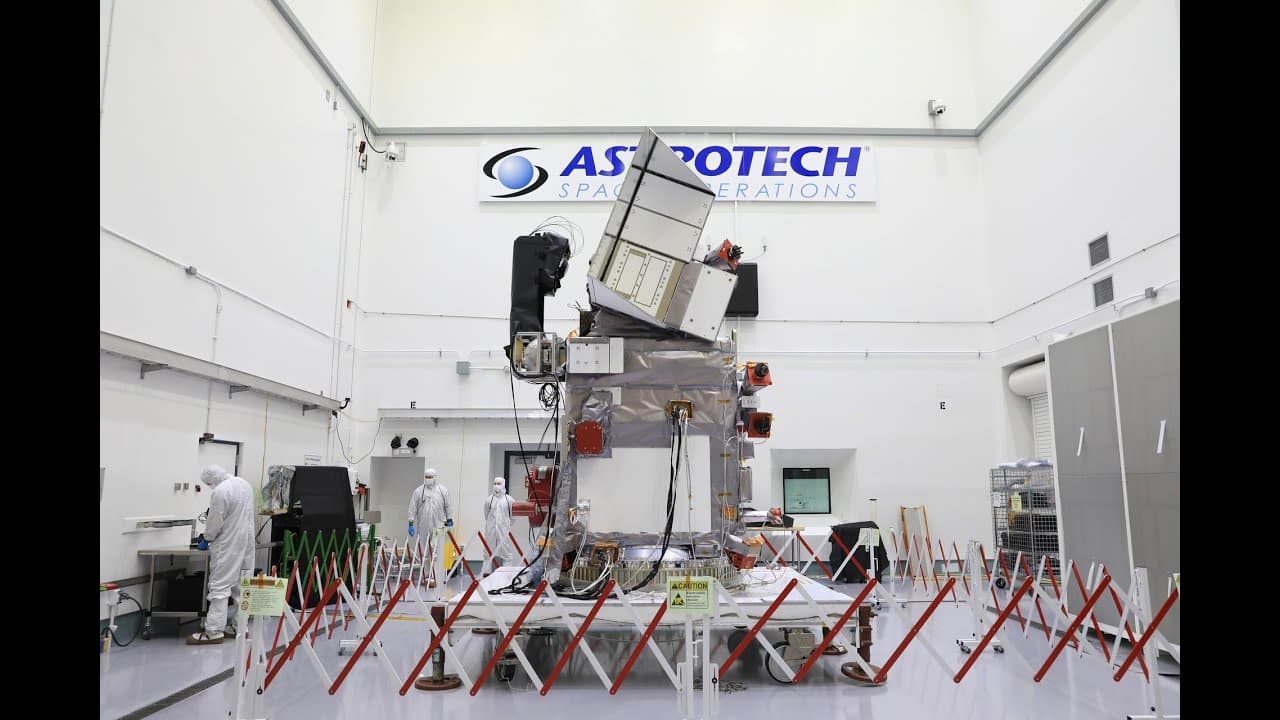
NASA is launching the Paces mission, which will study Earth's oceans and atmosphere through advanced technology and provide valuable insights on climate change and air quality.
Transcript
hello and welcome to NASA's Kennedy Space Center on Florida's space coast thank you for joining us today this is the science news conference for Paces for NASA's Pace Mission the most advanced ocean color and aerosol mission to date I'm Katherine Roloff NASA's press secretary for the science mission directorate in the office of communications we ar... Read More
Key Insights
- 🌊 Paces will provide a comprehensive view of Earth's oceans and atmosphere, contributing to our understanding of climate change, air quality, and ocean biology.
- 🥺 The mission will help improve weather prediction models and air quality forecasts, leading to better disaster preparedness.
- 👾 Paces data will benefit a wide range of stakeholders, including researchers, policymakers, the fishing industry, and the general public.
Install to Summarize YouTube Videos and Get Transcripts
Explore YouTube Video Summarizer or Get YouTube Transcript Extractor
Questions & Answers
Q: How does Paces contribute to our understanding of climate change?
Paces will provide valuable data on carbon exchange between the ocean and atmosphere, helping scientists better understand the role of greenhouse gases in global warming and long-term climate trends.
Q: Can Paces help us predict weather patterns and improve air quality forecasts?
Yes, by studying aerosols and their interactions with clouds, Paces will improve our understanding of the global energy balance and provide important insights for weather prediction and air quality forecasting.
Q: How will Paces benefit the fishing industry?
Paces will provide valuable information on phytoplankton and ocean biology, helping fisheries managers identify optimal fishing areas and monitor harmful algal blooms that can impact fisheries and seafood safety.
Q: Will Paces data be publicly available?
Yes, all of NASA's earth science data, including Paces data, is publicly available and will be open source, allowing researchers, policymakers, and the public to access and utilize the information.
Summary & Key Takeaways
-
NASA announces the launch of the Paces mission, the most advanced ocean color and aerosol mission to date.
-
The mission aims to study Earth's atmosphere and living ocean through an innovative lens, providing new ways to understand climate change and air quality.
-
Paces will collect data on oceans, phytoplankton, aerosols, and more, contributing to long-term climate research and immediate applications for air quality monitoring and fisheries management.
Read in Other Languages (beta)
Share This Summary 📚
Summarize YouTube Videos and Get Video Transcripts with 1-Click
Try YouTube Summary with ChatGPT & Claude or YouTube Transcript Generator
Explore More Summaries from NASA 📚

Summarize YouTube Videos and Get Video Transcripts with 1-Click
Try YouTube Summary with ChatGPT & Claude or YouTube Transcript Generator