How to Design Sustainably Beyond Climate Crisis
TL;DR
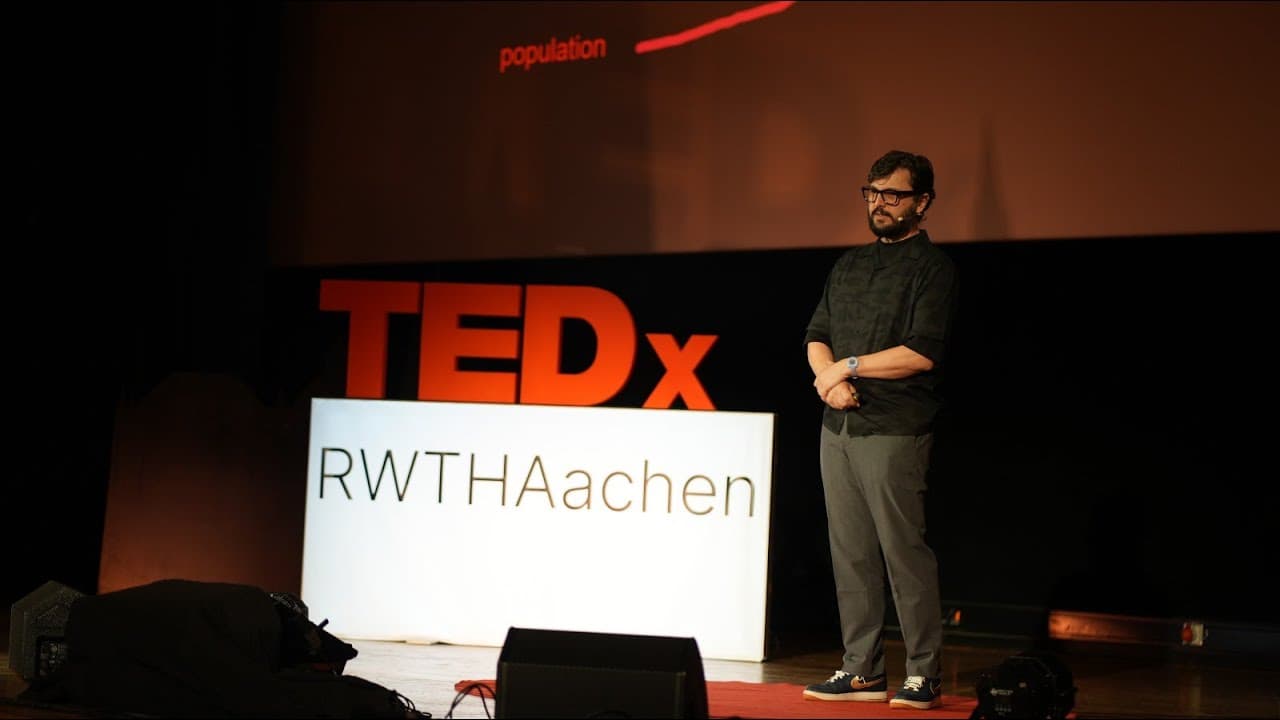
Designing sustainably requires understanding the limitations of our planet's resources and adapting our methods accordingly. The exponential growth of population and resource consumption necessitates a shift from business-as-usual models to more sustainable practices. By learning from natural systems and integrating technology, we can create designs that are adaptable and resource-efficient.
Transcript
my name is s Al Kar Architect by education and design teacher Studio teor by practice and I want to speculate about how will we design in the following 50 years and trying to get the picture what's going to happen so let's start with the graph I want to study the exponential first okay what does it look like I mean maybe most of you know it but let... Read More
Key Insights
- Exponential growth in population and resource use is unsustainable.
- The Limits of Growth study predicts resource collapse without change.
- Climate change is a symptom of broader resource limitations.
- Sustainable design involves adapting to limited resources.
- Designers must consider inequality in resource distribution.
- Vernacular architecture offers lessons for sustainable design.
- Adaptive reuse and modularity are key sustainable strategies.
- AI and technology will drive future sustainable innovations.
Install to Summarize YouTube Videos and Get Transcripts
Explore YouTube Video Summarizer or Get YouTube Transcript Extractor
Questions & Answers
Q: How does exponential growth affect sustainable design?
Exponential growth in population and resource consumption poses a significant challenge to sustainable design. It leads to increased demand for limited resources, necessitating a shift from traditional growth models to more sustainable practices. Designers must focus on creating solutions that are adaptable and efficient, considering the long-term implications of resource use.
Q: What is the significance of the Limits of Growth study?
The Limits of Growth study, published in the 1970s, highlights the unsustainability of current resource consumption patterns. It predicts potential collapse if business-as-usual models continue, emphasizing the need for significant changes in how resources are used. This study underscores the importance of sustainable design practices that consider resource limitations and long-term impacts.
Q: Why is climate change considered a symptom rather than a problem?
Climate change is seen as a symptom of broader issues related to resource limitations and unsustainable growth patterns. While addressing climate change is crucial, it is part of a larger challenge of managing finite resources on a planet with growing demands. Sustainable design must address these underlying resource challenges to effectively combat climate change.
Q: How can vernacular architecture inform sustainable design?
Vernacular architecture offers valuable lessons for sustainable design by demonstrating how to use local materials and adapt to environmental conditions effectively. It emphasizes resource efficiency and adaptability, principles that are crucial for creating sustainable solutions in the face of modern challenges. By learning from these historical practices, designers can develop innovative and sustainable designs.
Q: What role does adaptive reuse play in sustainable design?
Adaptive reuse is a key strategy in sustainable design, focusing on repurposing existing structures and materials to minimize resource consumption. It involves creatively using what is already available, reducing the need for new resources and decreasing waste. This approach aligns with the principles of sustainability by promoting resource efficiency and extending the lifespan of existing assets.
Q: How can technology and AI enhance sustainable design?
Technology and AI have the potential to significantly enhance sustainable design by optimizing resource use and improving design processes. They enable more precise energy calculations, material efficiency, and innovative design methodologies. AI can drive the development of new materials and processes, leading to more sustainable and adaptable design solutions that meet the challenges of climate change and resource limitations.
Q: What are some sustainable design strategies for the future?
Future sustainable design strategies include adaptive reuse, modularity, and the integration of renewable resources. Designers should focus on creating adaptable solutions that can evolve with changing needs and environmental conditions. Emphasizing circularity and resource efficiency, these strategies aim to reduce waste and promote long-term sustainability in design practices.
Q: Why is inequality a consideration in sustainable design?
Inequality is an important consideration in sustainable design because resource distribution affects access to sustainable solutions. Designers must address the disparities in resource availability to create equitable and inclusive designs. By considering inequality, sustainable design can ensure that all communities have access to the benefits of sustainable practices, promoting overall environmental and social well-being.
Summary & Key Takeaways
-
Sustainable design requires a shift away from exponential growth models, focusing on resource limitations and adapting existing technologies. By learning from natural systems and historical practices, designers can create adaptable and efficient solutions. The integration of AI and technology will further enhance sustainable design methodologies.
-
The Limits of Growth study highlights the unsustainability of current resource use, predicting potential collapse without significant change. Designers must consider inequality and resource distribution, using strategies like adaptive reuse and modularity to create sustainable solutions.
-
Future sustainable design will be driven by technological advancements and AI, allowing for more efficient use of resources. By drawing from vernacular architecture and integrating new technologies, designers can create innovative solutions that address the challenges of climate change and resource limitations.
Read in Other Languages (beta)
Share This Summary 📚
Summarize YouTube Videos and Get Video Transcripts with 1-Click
Try YouTube Summary with ChatGPT & Claude or YouTube Transcript Generator
Explore More Summaries from TEDx Talks 📚



Summarize YouTube Videos and Get Video Transcripts with 1-Click
Try YouTube Summary with ChatGPT & Claude or YouTube Transcript Generator