The neuroscience of religious experiences | Patrick McNamara

TL;DR
Religious experiences utilize a neurotechnology called the decentering process to update and enrich the sense of self, leading to a more thriving life.
Transcript
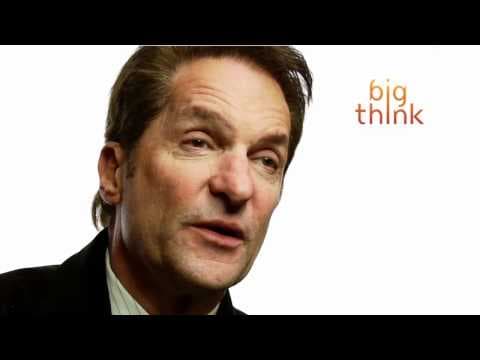
- My particular work has uncovered aspects of religiosity that runs counter to standard theories of religion. Most scholars of religion subscribe to the theory that the function of religion is to modulate anxiety levels, or it's to stave off the fear of death. In other words, religion as a security blanket. But that's a side effect of what I think ... Read More
Key Insights
- 🌍 Religion disrupts current models of the self in relation to the world, challenging fundamental aspects of our existence.
- 🤔 To understand human nature, we must understand religion as it plays a fundamental role in shaping our identities and brain functioning.
- 🔮 Religious experiences promote imaginative simulation of possible worlds and scenarios, encouraging us to update and improve our self models.
- 🧠 Religious experiences reflect a neurotechnology for self-transformation, involving a decentering process that takes the executive sense of self offline.
- 🌱 Religiosity helps individuals update their sense of self, leading to personal growth, flourishing, and a more thriving life.
- ❗️ The decentering process is powerful but can be dangerous if not held in a ritual process. If mishandled, it can lead to psychological problems.
- 🛐 People who identify as religious can rediscover the tools within their own traditions that promote the decentering process.
- 🕊️ Non-religious individuals can also benefit from understanding the neurotechnology of self-transformation and seek or create tools that facilitate the decentering process.
Install to Summarize YouTube Videos and Get Transcripts
Explore YouTube Video Summarizer or Get YouTube Transcript Extractor
Questions & Answers
Q: What is the decentering process in religious experiences?
The decentering process involves taking the executive sense of self offline, undergoing liminal experiences, searching and updating self models, and activating a new sense of self. It is a neurotechnology used in religious experiences for self-transformation.
Q: How does the decentering process contribute to an enriched sense of self?
Through the decentering process, the individual is able to let go of control and immerse themselves in intense emotional experiences. This leads to a search for a stronger and more adequate self model, ultimately resulting in an enriched sense of self.
Q: Why are the decentering process and religious experiences considered powerful and potentially dangerous?
The decentering process is a neurotechnology that makes individuals vulnerable and can trigger intense psychological reactions. If it is not properly guided in a ritualistic context, it can lead to psychological problems. In the wrong hands, it can create fanatics who are resistant to updating their beliefs.
Q: How can religious believers utilize the knowledge of the decentering process?
Religious believers can rediscover the tools within their own traditions, such as aesthetical practices, rituals, scriptures, and meditations, that promote the decentering process. These practices can help them update their self models and live a more flourishing life.
Q: How can non-religious people benefit from the neurotechnology of self-transformation?
Non-religious individuals can learn about the decentering process and develop or find tools that promote it. This knowledge can help them engage in self-transformation and create a more enriched sense of self, even without religious beliefs or practices.
Q: What are some potential applications of understanding the decentering process in helping people?
Understanding the decentering process can inform therapeutic practices and interventions, helping individuals navigate self-transformation and find better ways to live in the world. It opens up possibilities for developing new tools and approaches for personal growth and well-being.
Summary & Key Takeaways
-
Religions provide tools for editing and shaping self models, as the brain needs these models to function optimally.
-
The religious mind disrupts current self models by searching for evidence to disconfirm them, leading to the updating of self models.
-
The decentering process, composed of four cognitive steps, is the main accomplishment of religiosity and allows for the emergence of a new sense of self.
Read in Other Languages (beta)
Share This Summary 📚
Summarize YouTube Videos and Get Video Transcripts with 1-Click
Try YouTube Summary with ChatGPT & Claude or YouTube Transcript Generator
Explore More Summaries from Big Think 📚



Summarize YouTube Videos and Get Video Transcripts with 1-Click
Try YouTube Summary with ChatGPT & Claude or YouTube Transcript Generator