California’s Evolving Policy Context for Post-Secondary Learning in the 21st Century
TL;DR
California's post-secondary education system is facing major challenges, including a shortfall of 1.1 million workers and low completion rates. The system needs strategic investments and major changes to meet the demands of the workforce and lifelong learning.
Transcript
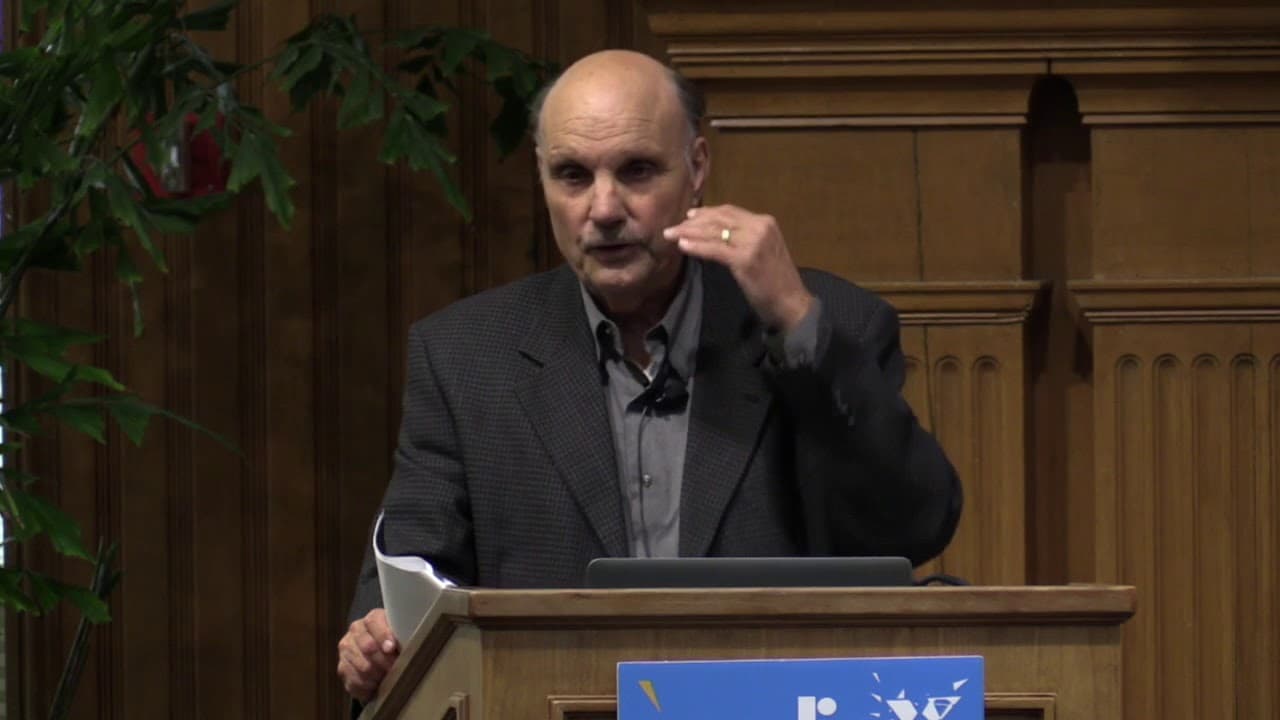
[Applause] my practice is in as president the State Board of Education is as a k-12 education leader and so my practice is in k-12 or I work in Sacramento but my research is in post-secondary education and that avoids conflicts of interest with statements I make about k-12 education and so I will talk today about post-secondary education and the re... Read More
Key Insights
- 🧑⚕️ California's post-secondary education system is falling short in meeting the demands of the workforce, with projections suggesting a shortfall of 1.1 million workers.
- ☠️ The state's completion rates for community colleges and California State University are comparatively low, indicating a need for major changes to improve efficiency and increase graduation rates.
- 💦 The system's reliance on community colleges, limited branch campuses, and access issues for working students contribute to challenges in spatial distribution and meeting regional workforce demands.
- 🤕 The current infrastructure for lifelong learning and reskilling is inadequate, particularly for adults between the ages of 25 and 55.
- 🧑⚖️ The data on education institutions and credentials is limited, making it difficult for job seekers and employers to judge the quality of educational offerings.
- 💦 The federal government's policies and uncertainty, such as funding cuts for student aid and work-study programs, create additional constraints for addressing the challenges in post-secondary education.
- 🎓 The academic culture of colleges and universities in California, characterized by slow change and limited faculty control, poses a challenge in adapting to the rapidly changing economy.
Install to Summarize YouTube Videos and Get Transcripts
Explore YouTube Video Summarizer or Get YouTube Transcript Extractor
Questions & Answers
Q: What are the main challenges facing California's post-secondary education system?
California's post-secondary education system is facing a shortfall of 1.1 million workers and low completion rates in community colleges and California State University. This indicates a need for major changes to improve efficiency and increase graduation rates.
Q: What are some factors contributing to the system's low completion rates?
Factors contributing to low completion rates include the state's reliance on community colleges, which have low throughput to four-year degrees, as well as high levels of remediation work required for students entering community college. The lack of spatial distribution, limited branch campuses, and access issues for working students also contribute to the problem.
Q: How is the state's post-secondary education system affecting workforce training and retraining?
The state's education system is not effectively meeting the needs of workforce training and retraining, particularly for adults between the ages of 25 and 55. Many individuals in this age group already have a four-year degree but require reskilling in high-demand fields. The current infrastructure for lifelong learning is inadequate.
Q: How is the spatial distribution of post-secondary institutions in California contributing to the challenges in the system?
California has limited branch campuses and access issues for working students. This makes it difficult for individuals to access higher education, especially if they live in areas far from major universities. The lack of spatial distribution exacerbates the challenges in meeting the workforce demands of different regions.
Summary & Key Takeaways
-
California's post-secondary education system is falling short in meeting the demands of the workforce, with projections suggesting a shortfall of 1.1 million workers.
-
The state's completion rates for community colleges and California State University are relatively low, indicating a need for major changes to improve efficiency and increase graduation rates.
-
The system is also facing challenges in terms of spatial distribution, with limited branch campuses and access issues for working students.
Read in Other Languages (beta)
Share This Summary 📚
Summarize YouTube Videos and Get Video Transcripts with 1-Click
Try YouTube Summary with ChatGPT & Claude or YouTube Transcript Generator
Explore More Summaries from Stanford 📚




Summarize YouTube Videos and Get Video Transcripts with 1-Click
Try YouTube Summary with ChatGPT & Claude or YouTube Transcript Generator