How to Personalize Your Diet for Better Health

TL;DR
Individual differences in metabolism mean that a one-size-fits-all approach to diet is ineffective. Personalizing nutrition based on genetics, environment, and lifestyle can lead to better health outcomes. Precision nutrition considers unique biological factors, emphasizing local and traditional foods, and adjusting macronutrient intake to optimize health.
Transcript
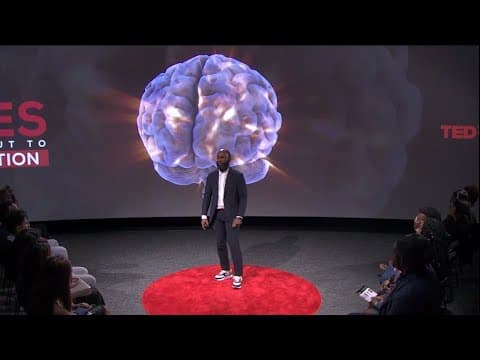
[Applause] so I grew up in a family where we are Five Sisters I'm the youngest one despite of being raised in a similar environment same meals day in and day out um having the same genetic pool in midst of that familiar diversity I was the skinny one you all can see that till date right and I remember in my Preen years every day without fail some o... Read More
Key Insights
- Individual differences in metabolism mean that identical foods can have different effects on different people.
- Calories in, calories out is an oversimplified model that doesn't account for individual metabolic differences.
- Precision nutrition tailors diets to individual genetic makeup, environment, and gut microbiota.
- Traditional diets based on local foods align better with individual gut microbiomes and can improve health.
- Precision nutrition draws from precision medicine, focusing on personalized dietary plans.
- Gut microbiota plays a crucial role in how we metabolize food and maintain health.
- Small dietary changes, such as adjusting macronutrient ratios, can significantly impact health.
- Preventive health through personalized diet can reduce the prevalence of lifestyle-related diseases.
Install to Summarize YouTube Videos and Get Transcripts
Explore YouTube Video Summarizer or Get YouTube Transcript Extractor
Questions & Answers
Q: How does personalized nutrition differ from traditional dieting?
Personalized nutrition tailors dietary plans to an individual's unique genetic makeup, environment, and gut microbiota, unlike traditional dieting, which often follows a one-size-fits-all approach. This personalization considers how different bodies metabolize the same foods differently, allowing for more effective health outcomes and disease prevention.
Q: What role does gut microbiota play in nutrition?
Gut microbiota significantly influences how we digest and metabolize food, affecting overall health. The balance of good and bad bacteria in the gut can impact disease development and nutrient absorption. Personalized nutrition considers these microbial differences to optimize dietary plans for better health outcomes.
Q: Why is a one-size-fits-all diet ineffective?
A one-size-fits-all diet is ineffective because it doesn't account for individual differences in metabolism, genetics, and gut microbiota. These factors mean that the same food can have different effects on different people, making personalized dietary plans more effective for achieving health goals and preventing diseases.
Q: How can traditional diets improve health?
Traditional diets, based on local foods, align more closely with an individual's gut microbiota, which is shaped by the environment and dietary history. Eating foods native to one's region can enhance digestion and nutrient absorption, leading to better health outcomes and a stronger immune system.
Q: What is precision nutrition?
Precision nutrition is an approach that customizes dietary plans based on an individual's genetic makeup, lifestyle, and environment. It draws from precision medicine principles, aiming to optimize health by considering unique biological factors and promoting personalized interventions to prevent lifestyle-related diseases.
Q: How can small dietary changes impact health?
Small dietary changes, such as adjusting macronutrient ratios or incorporating more local foods, can significantly impact health by better aligning with an individual's metabolic needs. These adjustments can improve nutrient absorption, support gut health, and reduce the risk of lifestyle-related diseases.
Q: Why is preventive health important in nutrition?
Preventive health in nutrition focuses on making dietary choices that reduce the risk of developing lifestyle-related diseases like diabetes, heart disease, and obesity. By adopting personalized nutrition plans, individuals can address specific health risks early on, promoting long-term health and reducing the need for medical interventions.
Q: What are the benefits of eating local foods?
Eating local foods benefits health by aligning with the gut microbiota developed from the local environment, enhancing nutrient absorption and immune function. Local foods are often fresher and more nutrient-dense, supporting better health outcomes and reducing the risk of lifestyle-related diseases.
Summary & Key Takeaways
-
Personalized nutrition recognizes that each individual metabolizes food differently due to genetic and environmental factors. By tailoring dietary plans to these unique needs, precision nutrition can optimize health outcomes and prevent lifestyle-related diseases. This approach emphasizes traditional, local foods and appropriate macronutrient adjustments.
-
Precision nutrition involves understanding individual differences in metabolism, genetics, and gut microbiota to create effective dietary plans. This personalized approach can prevent diseases by aligning diets with individual biological needs, emphasizing the importance of traditional and local foods.
-
The concept of precision nutrition highlights the limitations of one-size-fits-all diets, advocating for personalized dietary plans based on individual genetic, environmental, and microbiota factors. By focusing on local and traditional foods, this approach aims to enhance health and prevent lifestyle diseases.
Read in Other Languages (beta)
Share This Summary 📚
Summarize YouTube Videos and Get Video Transcripts with 1-Click
Try YouTube Summary with ChatGPT & Claude or YouTube Transcript Generator
Explore More Summaries from TEDx Talks 📚





Summarize YouTube Videos and Get Video Transcripts with 1-Click
Try YouTube Summary with ChatGPT & Claude or YouTube Transcript Generator