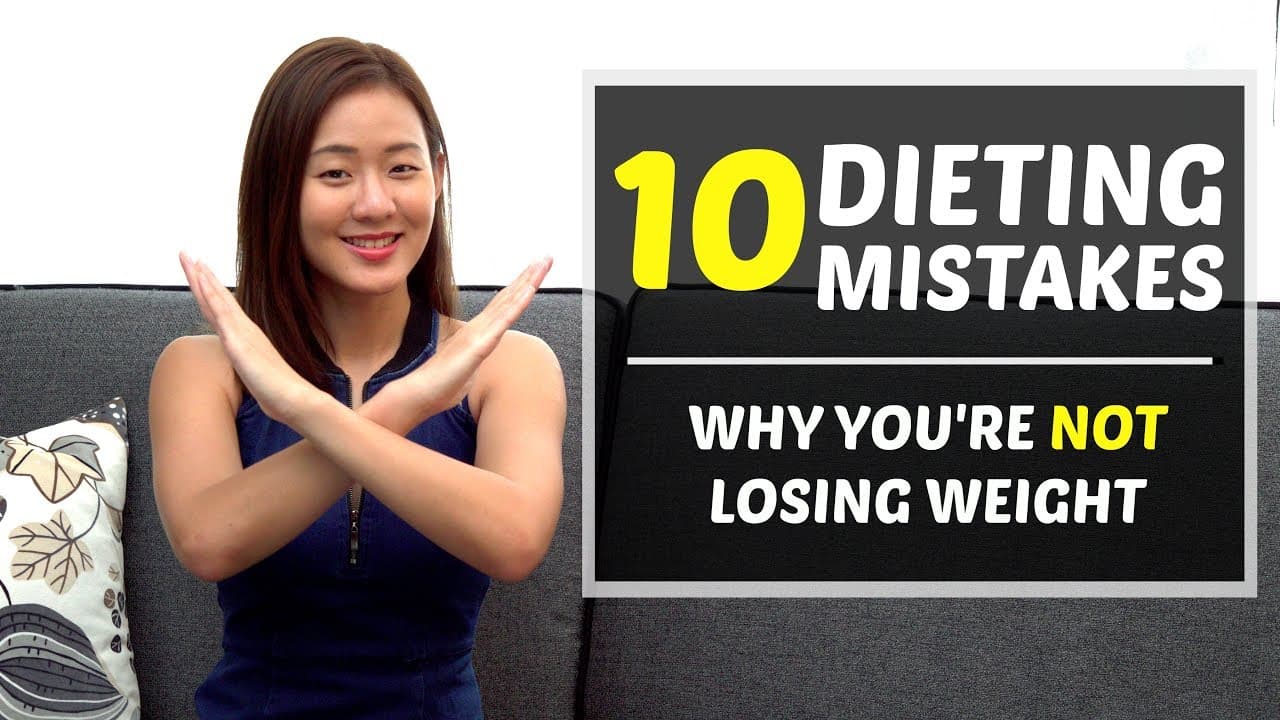
10 Dieting Mistakes - Why You're Not Losing Weight! | Joanna Soh
TL;DR
This video provides insight into 10 common reasons for weight loss plateaus, including unrealistic expectations, fluctuating weight, unhealthy food choices, lack of variety in routine, inadequate water intake, liquid calorie consumption, lack of weightlifting, high stress levels, lack of sleep, and a focus on dieting rather than healthy eating.
Transcript
hey guys it's Jonah here so you're doing your exercises you're paying attention to your food intake but the weight just won't budge you're wondering what on earth am I doing wrong well what should this video through as I will be sharing with you ten common reasons why you're not losing weight number one your expectations are unrealistic I've been r... Read More
Key Insights
- 📊 Unrealistic expectations: Losing weight takes time and setting unrealistic goals can lead to frustration and failure. Aim for safe and sustainable weight loss of 1-2 pounds per week.
- ⚖️ Weight fluctuations: Our weight can vary throughout the day due to water retention. Instead of solely relying on the scale, track progress by taking body measurements and assessing how clothes fit.
- 🍽️ Binging unhealthy food: Just because a food is "healthy" doesn't mean you can indulge in unlimited quantities. Even healthy options contain calories, so practice moderation.
- 🔄 Need for change: If you've hit a weight loss plateau, try mixing up your routine. Take breaks from your workouts and diet, try new activities, and focus on enjoying the journey instead of stressing about the end goal.
- 💧 Importance of water: Drinking enough water (2.5-3 liters per day) is crucial for weight loss success. It helps prevent dehydration and can curb hunger, leading to consuming fewer calories.
- 🥤 Liquid calories: Beware of excessive calorie intake from fruit juices, sodas, fancy coffees, and alcohol. Eliminating liquid calories can save up to 500 calories per day.
- 💪 Lifting weights: Incorporating strength training into your fitness routine can help build muscle mass and boost weight loss. Cardio alone may lead to a lack of muscle tone.
- 😩 The impact of stress: Stress can hinder weight loss, particularly in the belly area, due to increased cortisol levels. Taking time to relax and manage stress can make a significant difference.
- 😴 Lack of sleep: Insufficient rest can disrupt hormones, increase appetite, and slow down metabolism. This can lead to late-night snacking and weight gain. Prioritize getting enough sleep for successful weight loss.
- 🥗 Ditch dieting: Instead of focusing on restrictive diets, shift towards healthy eating and nourishing your body with nutritious foods. Sustainable weight loss happens as a natural result of a healthy lifestyle. Prioritize long-term health and well-being.
Install to Summarize YouTube Videos and Get Transcripts
Explore YouTube Video Summarizer or Get YouTube Transcript Extractor
Questions & Answers
Q: How long does it realistically take to lose weight in a safe and sustainable manner?
Safe and sustainable weight loss is generally between 1 to 2 pounds per week. It's important to avoid setting unrealistic expectations to prevent frustration and failure.
Q: How can water intake affect weight loss progress?
Drinking enough water is crucial for weight loss success. Dehydration can be mistaken for hunger, and staying hydrated can help curb cravings. Drinking water before a meal can also make you feel fuller and lead to eating less.
Q: Is it normal for weight to fluctuate daily?
Yes, weight fluctuates daily due to factors like water retention. Measuring progress solely by the scale may not accurately reflect true weight loss. Other indicators, like taking body measurements and noticing how clothes fit, can be more reliable measures of progress.
Q: Why are liquid calories detrimental to weight loss?
Liquid calories from drinks like fruit juices, soda, coffee, or alcohol can be sneaky sources of calories. They can contain more calories than a proper meal, and eliminating them can save up to 500 calories a day, thereby boosting weight loss progress.
Q: Can stress and lack of sleep hinder weight loss?
Yes, high stress levels and inadequate sleep can contribute to weight gain, especially around the belly area. Stress releases cortisol, a hormone that can cause the body to hold onto fat. Lack of sleep disrupts hormones that regulate appetite, leading to increased cravings and overeating. Managing stress and getting enough rest are essential for successful weight loss.
Summary & Key Takeaways
-
It takes time to lose weight, so setting unrealistic expectations can lead to frustration and failure.
-
Weight fluctuates daily due to water retention, so measuring progress solely by the scale may not reflect true weight loss.
-
Bingeing on unhealthy foods, even if they are labeled as healthy, can hinder weight loss progress.
-
Sticking to the same routine without any changes can lead to plateaus; trying new activities or taking breaks can help.
-
Inadequate water intake can affect weight loss success, as dehydration can be mistaken for hunger.
-
Liquid calories from drinks like fruit juices, soda, coffee, or alcohol can add up and hinder weight loss progress.
-
Including weightlifting in your routine can help build muscle and boost metabolism for continued fat burning.
-
High stress levels and lack of sleep can contribute to weight gain, particularly around the belly area.
-
Focusing on healthy eating instead of strict dieting can lead to sustainable weight loss and overall better health.
Read in Other Languages (beta)
Share This Summary 📚
Summarize YouTube Videos and Get Video Transcripts with 1-Click
Try YouTube Summary with ChatGPT & Claude or YouTube Transcript Generator