How to Eat for Muscle Growth and Disease Prevention
TL;DR
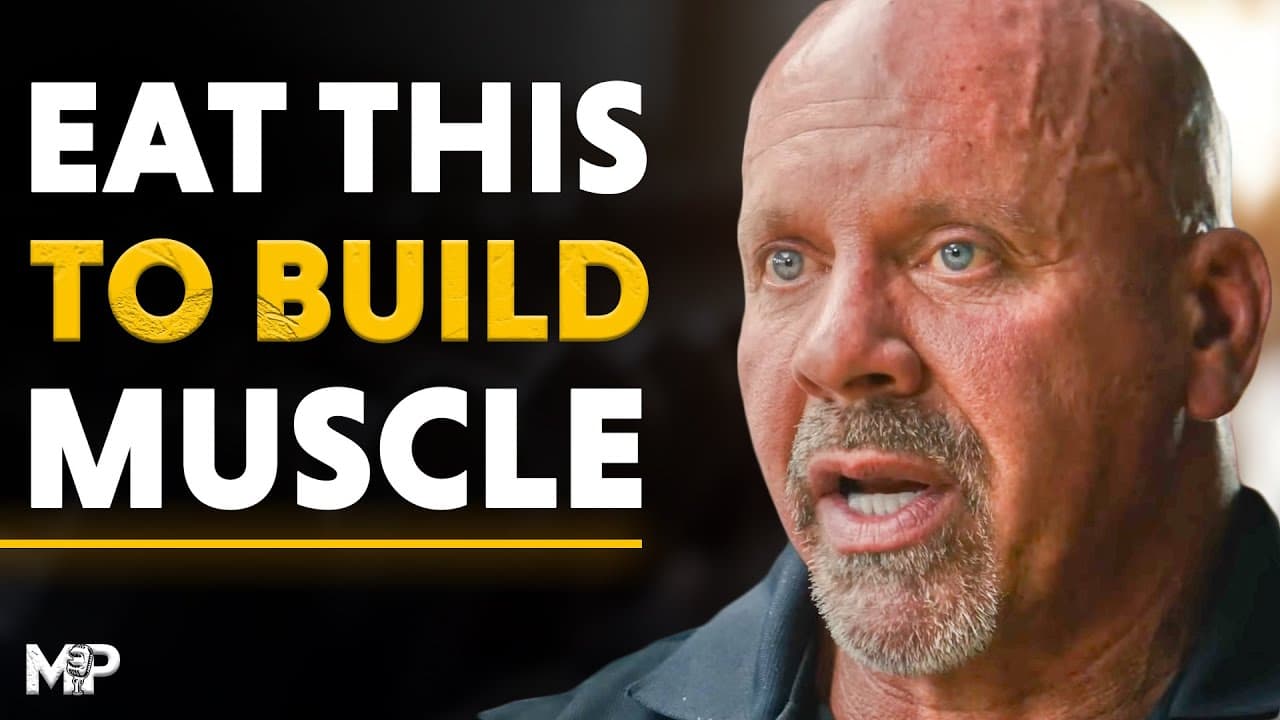
To build muscle, lose fat, and combat chronic disease, prioritize a diet that supports weight loss and includes sufficient protein. Focus on a calorie deficit for those with metabolic issues, and ensure adherence to dietary patterns that are sustainable. Incorporate exercise and resistance training to maintain muscle mass and optimize health outcomes.
Transcript
foreign is in the studio one of the strongest humans to ever walk the earth at one point was known as the strongest bodybuilder in the ifbb this dude is a beast he's also super smart the guys helped so many people nutrition professional athletes of course professional bodybuilders top MMA fighters he's a wealth of knowledge Stan efforting the White... Read More
Key Insights
- Weight loss is the primary goal for those with metabolic syndrome, and it can be achieved through a calorie deficit.
- Sufficient protein intake is crucial to prevent muscle loss during weight loss efforts.
- Diet adherence is essential; the best diet is the one you can consistently follow.
- Exercise, especially resistance training, is vital for maintaining muscle mass and improving health markers.
- High protein meals, especially breakfast, can help control hunger and improve satiety throughout the day.
- Ultra-processed foods often lead to overeating due to their low satiety and high calorie density.
- Strength training is increasingly recognized as a key factor in longevity and disease prevention.
- Creatine is a beneficial supplement for cognitive and physical health, particularly in older adults.
Install to Summarize YouTube Videos and Get Transcripts
Explore YouTube Video Summarizer or Get YouTube Transcript Extractor
Questions & Answers
Q: How does weight loss improve health for those with metabolic syndrome?
Weight loss can significantly improve health markers for individuals with metabolic syndrome by reducing insulin resistance, lowering blood pressure, and improving cholesterol levels. This is primarily achieved through a calorie deficit, which can be managed by either reducing calorie intake or increasing physical activity. Effective weight management can lead to a reversal of many health issues associated with metabolic syndrome.
Q: Why is protein intake important during weight loss?
Protein intake is crucial during weight loss to prevent muscle loss, which often accompanies fat loss. Consuming adequate protein helps preserve lean muscle mass, supports metabolic function, and enhances satiety, making it easier to adhere to a calorie-reduced diet. Aiming for a protein intake of about 0.8 to 1 gram per pound of goal body weight is generally recommended.
Q: What role does exercise play in maintaining health during weight loss?
Exercise, particularly resistance training, is vital in maintaining muscle mass during weight loss. It helps preserve lean body tissue, supports metabolic function, and enhances overall health outcomes. Regular physical activity also contributes to improved cardiovascular health, better insulin sensitivity, and enhanced mood and energy levels.
Q: How can high protein meals help control hunger?
High protein meals, especially when consumed at breakfast, can help control hunger by increasing satiety and reducing appetite throughout the day. Protein has a high thermic effect, meaning it requires more energy to digest, and it also influences hormones that regulate hunger and fullness. This can lead to better adherence to a calorie-controlled diet.
Q: Why should ultra-processed foods be minimized in the diet?
Ultra-processed foods should be minimized because they are typically high in calories, low in nutrients, and designed to be hyper-palatable, leading to overeating. These foods often lack fiber and protein, which are essential for satiety, and their consumption is associated with weight gain and negative health outcomes. Focusing on whole, minimally processed foods can aid in weight management and improve health markers.
Q: What are the benefits of strength training for longevity?
Strength training offers numerous benefits for longevity, including the maintenance of muscle mass, improved bone density, and enhanced metabolic function. It also reduces the risk of chronic diseases, supports mobility and balance, and is associated with lower all-cause mortality. Incorporating regular strength training into a fitness routine can significantly contribute to a longer, healthier life.
Q: How can creatine benefit older adults?
Creatine is beneficial for older adults as it supports cognitive function, muscle strength, and overall physical performance. It helps maintain muscle mass, which is crucial for metabolic health and mobility, and may also aid in preventing age-related muscle loss. As a well-researched supplement, creatine is safe for most people and can be an effective addition to an aging population's health regimen.
Q: What is the best approach to dieting for muscle growth and fat loss?
The best approach to dieting for muscle growth and fat loss is to focus on a balanced diet that includes sufficient protein, minimizes ultra-processed foods, and supports a calorie deficit when needed. Adherence to dietary patterns that are enjoyable and sustainable is crucial, along with regular exercise, particularly resistance training, to maintain muscle mass and optimize health outcomes.
Summary & Key Takeaways
-
Achieving weight loss is paramount for those with metabolic issues, and it can be realized through a calorie deficit, which can be managed by either reducing calorie intake or increasing physical activity. However, adherence to a sustainable diet is crucial, and protein intake should be prioritized to prevent muscle loss.
-
Exercise, particularly resistance training, plays a significant role in maintaining muscle mass and improving health outcomes. A diet that includes sufficient protein and minimizes ultra-processed foods can aid in satiety and help manage hunger levels effectively.
-
Strength training is gaining recognition as a critical component of longevity and disease prevention strategies. Supplements like creatine are also beneficial for cognitive and physical health, especially in older adults, and can be incorporated into a well-rounded fitness and nutrition plan.
Read in Other Languages (beta)
Share This Summary 📚
Summarize YouTube Videos and Get Video Transcripts with 1-Click
Try YouTube Summary with ChatGPT & Claude or YouTube Transcript Generator
Explore More Summaries from Mind Pump Show 📚

Summarize YouTube Videos and Get Video Transcripts with 1-Click
Try YouTube Summary with ChatGPT & Claude or YouTube Transcript Generator