Ken Belkin Talks Adam Matos Trial and Free Speech Bumper Stickers on Law & Crime Network
TL;DR
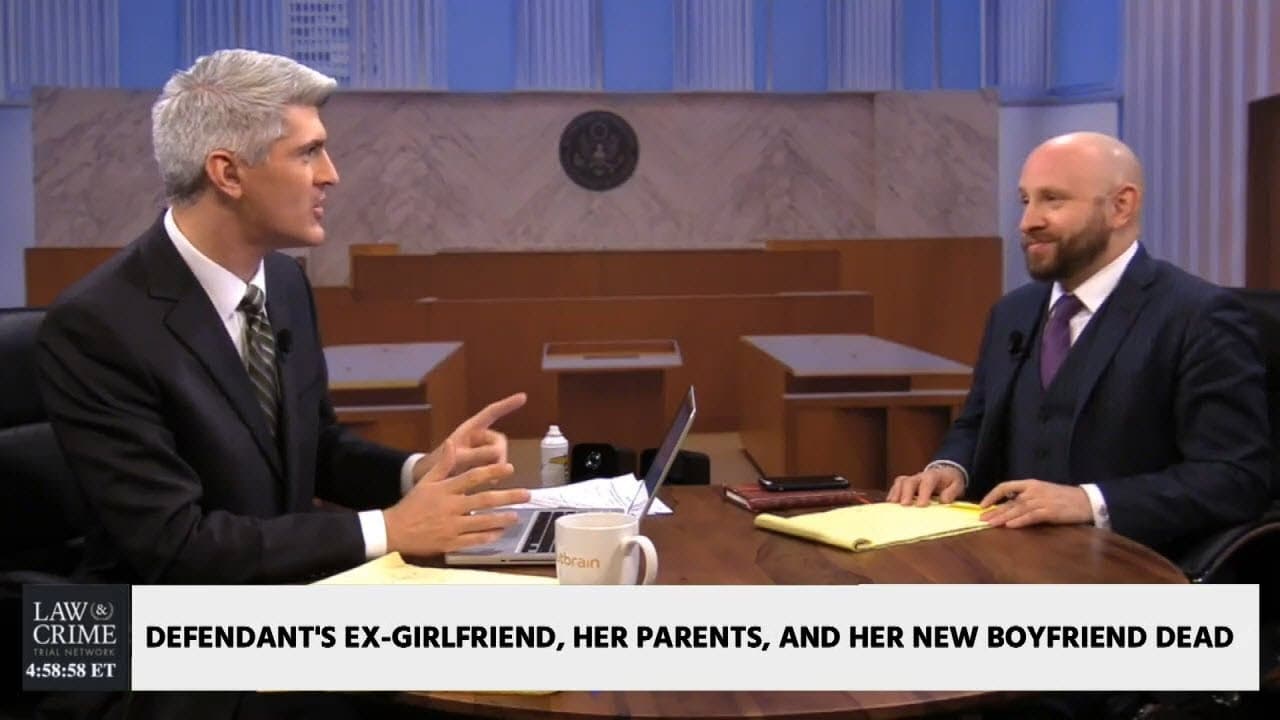
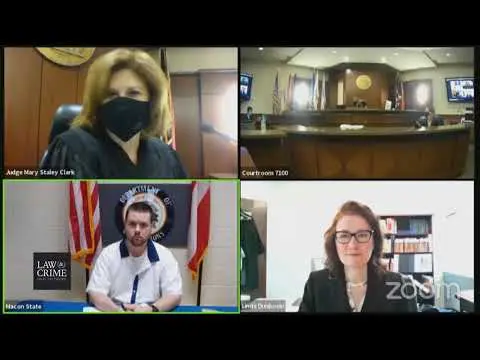
Victims' families express anger and sorrow while defendant receives life sentence for quadruple homicide.
Transcript
you're watching the law in crime Network Aaron Keller along with you for the afternoon as always we've just watched a difficult sentencing hearing for defendant a tomato's just absolutely being scorned by the family members who endured the loss of four friends and relatives in this case we have been watching the chat rooms I've been in there with m... Read More
Key Insights
- ❓ Victim impact statements can have a powerful effect on jurors during the sentencing phase.
- ❓ The importance of considering a defendant's background and circumstances in determining an appropriate sentence.
- ❓ The debate over whether the death penalty is a sufficient punishment for heinous crimes.
Install to Summarize YouTube Videos and Get Transcripts
Explore YouTube Video Summarizer or Get YouTube Transcript Extractor
Questions & Answers
Q: Why were victim impact statements not presented to the jury?
The Supreme Court has fluctuated on this issue, initially stating that the jury should focus only on the defendant's actions. However, some states have allowed victim impact statements to be presented to the jury during the sentencing phase.
Q: What factors were considered in the defendant's sentence?
The defense argued that the defendant had a difficult upbringing, with bullying, family issues, and a learning disability. However, the jury ultimately decided on a life sentence without parole.
Q: Did the defendant express remorse during the hearing?
The defendant's apology lacked sincerity and didn't fully accept responsibility for his actions. The defense argued that the defendant had a mental health issue, but it wasn't presented as a strong mitigating factor.
Q: How did the breakdown of the jury's vote influence the sentence?
The majority of the jurors voted for the death penalty, but due to recent Supreme Court rulings, a unanimous verdict is required for capital punishment. The defendant ultimately received a life sentence without parole.
Summary & Key Takeaways
-
The sentencing hearing for defendant A. Tomato was emotionally charged, with victims' families expressing their pain and loss.
-
The defense attorney acknowledged the heinous nature of the crimes and admitted that the defendant's actions were indefensible.
-
There was a debate over whether victim impact statements should have been presented to the jury before their recommendation of a life sentence.
-
The breakdown of the jury's vote showed a clear majority in favor of the death penalty, with 11 jurors voting for it.
Read in Other Languages (beta)
Share This Summary 📚
Summarize YouTube Videos and Get Video Transcripts with 1-Click
Try YouTube Summary with ChatGPT & Claude or YouTube Transcript Generator
Explore More Summaries from Law&Crime Network 📚


Summarize YouTube Videos and Get Video Transcripts with 1-Click
Try YouTube Summary with ChatGPT & Claude or YouTube Transcript Generator