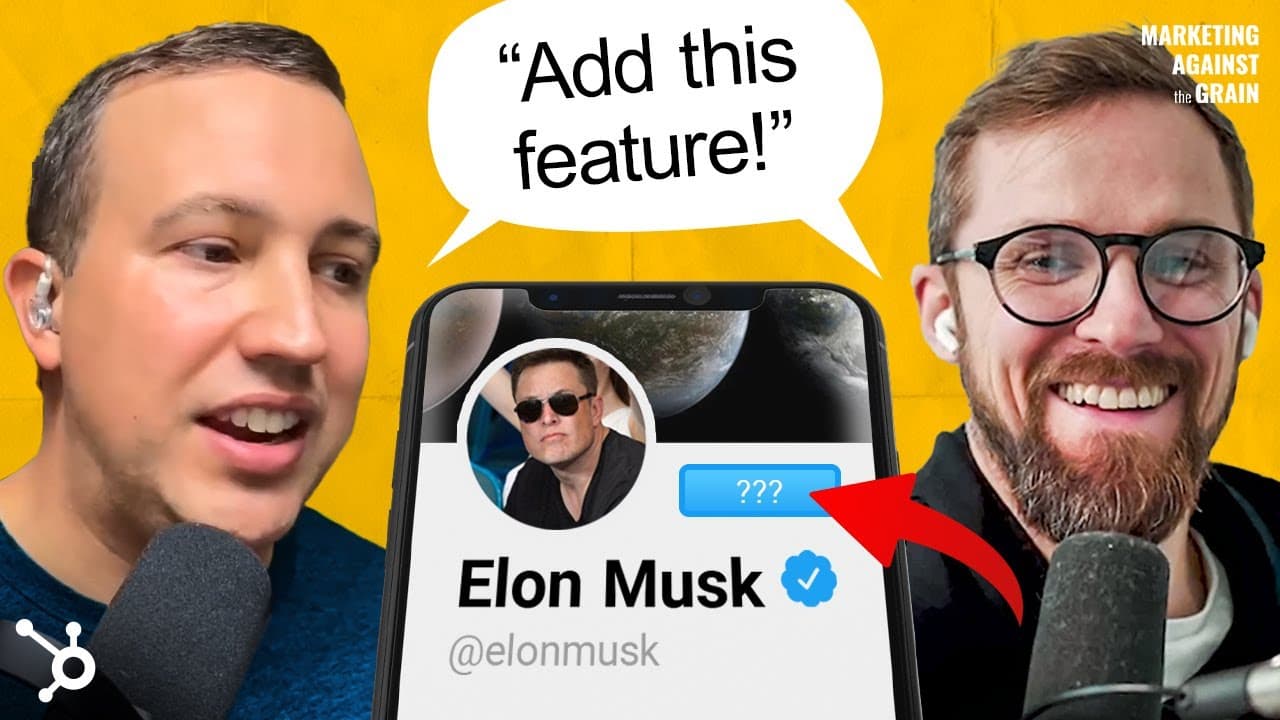
Our Advice To Elon Musk To Make Twitter More Profitable (#63)
TL;DR
Analyzing Twitter's potential changes and impact on marketing strategies.
Transcript
- I believe what, instead, that the Twitter team's thinking is like, no, we want a premium version of this experience, and verification is a core layer of that experience. But we're gonna bundle other things with it. And there's gonna be kind of like a top-tier Twitter and a free-tier Twitter. And that is going to be the way to build a viable busin... Read More
Key Insights
- Twitter is exploring a tiered model with premium and free tiers to enhance profitability, including a focus on verification as a premium feature.
- The platform lacks intent-driven advertising capabilities, making it less effective for direct response marketing compared to Google and YouTube.
- Video content, potentially through a Vine revival, could be crucial for expanding Twitter's user base and engagement.
- The messaging feature, including group chats and SMS integration, could offer unique value by allowing selective public sharing.
- Twitter's current ad product is limited by poor data targeting and lack of creative formats, necessitating future improvements.
- The potential introduction of algorithmic choice could allow users to customize their content experience, impacting how marketers engage with audiences.
- Cultural relevance and user engagement on Twitter are expected to increase, even if monetization improvements are gradual.
- Brands could benefit from hiring comedy writers to manage Twitter accounts, leveraging humor to better engage users.
Install to Summarize YouTube Videos and Get Transcripts
Explore YouTube Video Summarizer or Get YouTube Transcript Extractor
Questions & Answers
Q: What are the potential changes Twitter is considering for its platform?
Twitter is exploring a premium tier model that would bundle verification with other features, aiming to create a top-tier experience. This approach is counterintuitive for social media platforms, which typically do not have paid tiers. The goal is to better monetize existing users while maintaining a free tier.
Q: Why is Twitter's advertising less effective compared to other platforms?
Twitter's advertising is less effective due to its inability to capture user intent, which is crucial for aligning ads with buyer interests. Unlike Google or YouTube, Twitter lacks the data and targeting capabilities to make its ads as impactful, resulting in limited direct response success.
Q: How could video content impact Twitter's future?
Video content, potentially through a revival of Vine, could significantly enhance Twitter's user engagement and cultural relevance. While the platform has historically been text-based, integrating video could attract a broader audience and offer new advertising opportunities, despite skepticism about competing with established video platforms.
Q: What role could messaging play in Twitter's strategy?
Messaging, particularly through SMS integration and group chats, could offer unique value by allowing users to have private discussions with the option to share publicly. This feature could differentiate Twitter from other messaging apps by providing a seamless way to engage both privately and publicly.
Q: What should marketers focus on with Twitter's potential changes?
Marketers should stay informed about Twitter's new features and ad product changes, testing new capabilities as they roll out. Engaging with the platform's core community and leveraging humor or clear brand tone can help build meaningful connections, especially as Twitter explores algorithmic choice and content customization.
Q: How might algorithmic choice affect Twitter's user experience?
Algorithmic choice could allow users to customize their content feeds, selecting which topics or communities they want to prioritize. This shift would require marketers to focus on building high-engagement communities to ensure their content is included in user-selected algorithms, potentially changing how content is discovered and consumed.
Q: Will Twitter's cultural impact change in the near future?
Twitter's cultural impact is expected to increase as it undergoes strategic changes, even if monetization improvements are gradual. The platform's significance in cultural conversations and real-time information sharing will likely grow, driven by new features and a focus on enhancing user engagement.
Q: What is a recommended strategy for brands on Twitter?
Brands should consider hiring individuals with a background in comedy to manage their Twitter presence, as humor is a powerful tool for engagement on the platform. This approach can help brands connect with Twitter's unique culture and audience, improving their organic reach and influence.
Summary & Key Takeaways
-
Twitter is considering a premium model to monetize its user base more effectively, focusing on features like verification. This approach is uncommon in social media but aligns with freemium business strategies.
-
The platform's advertising challenges stem from a lack of intent-driven data, making it difficult for marketers to achieve direct response results. Enhancements in ad targeting and creative formats are needed.
-
Video content and messaging innovations, such as a Vine-like feature and group chats with public sharing options, could expand Twitter's cultural impact and user engagement significantly.
Read in Other Languages (beta)
Share This Summary 📚
Summarize YouTube Videos and Get Video Transcripts with 1-Click
Try YouTube Summary with ChatGPT & Claude or YouTube Transcript Generator
Explore More Summaries from Marketing Against the Grain 📚




Summarize YouTube Videos and Get Video Transcripts with 1-Click
Try YouTube Summary with ChatGPT & Claude or YouTube Transcript Generator