Is Remote Work More Effective Than Office Work?
TL;DR
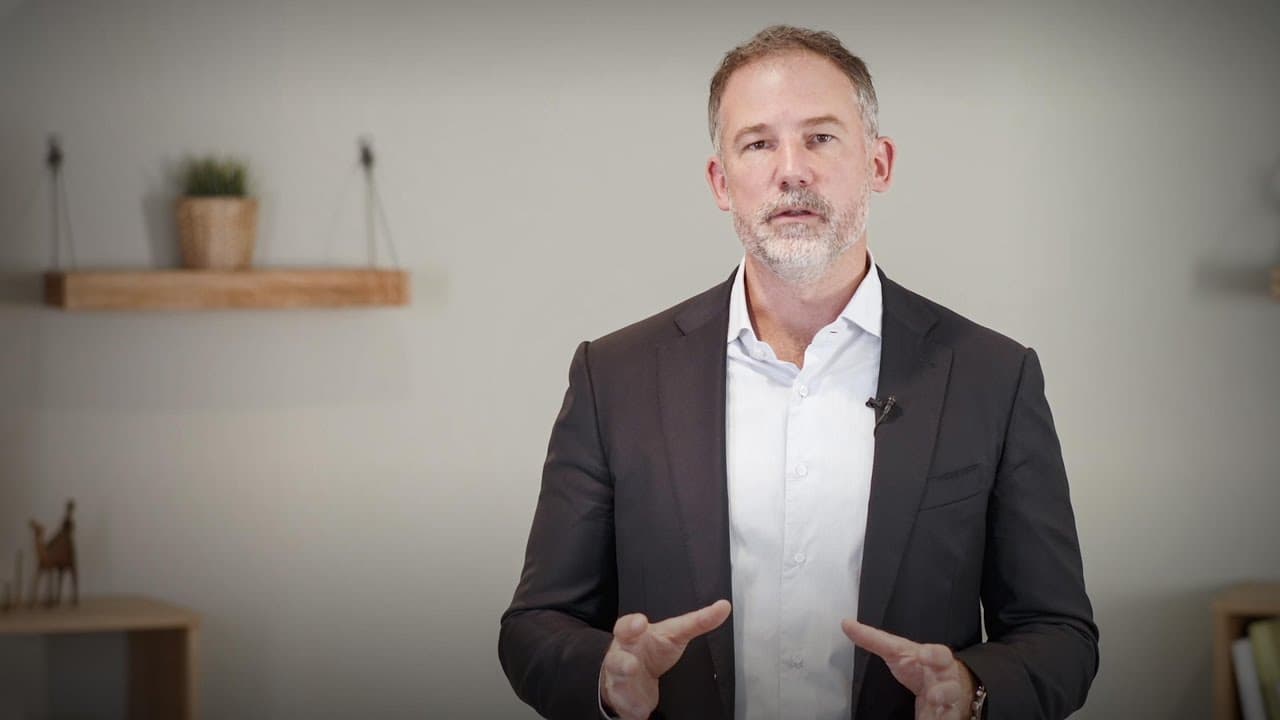
Remote work presents unique effectiveness, staffing, and cultural challenges. While initial data from the COVID-19 pandemic suggested high productivity, maintaining that performance sustainably is questionable as work-life boundaries blur. Organizations must consider flexible policies that attract talent while fostering a supportive culture to navigate the complexities of hybrid work models.
Transcript
Over the past two years, how many times have you heard that the times have changed or about the new normal? There’s no shortage of opinions about whether remote work is for the better or spells destruction for our businesses. Reed Hastings, CEO of Netflix, said, "I don't see any positives," whereas Suresh Kumar, CTO of Walmart, said, "We haven't ju... Read More
Key Insights
- 🤔 The research on hybrid working is still uncertain, with varying opinions on its effectiveness and impact on businesses.
- 💡 Hybrid work design is not a single problem, but rather three distinct ones: effectiveness, staffing, and culture.
- 📊 Data from the COVID-19 pandemic shows that remote work was productive due to unique conditions, but sustainability is a concern.
- ️ The experience of remote work differs across individuals, with some struggling to maintain work-life boundaries, especially parents.
- 💼 Organizations' hybrid work policies are now a key criteria for attracting and retaining talent, and the perception of remote work needs to be reclaimed.
- 🏢 Remote work can lead to reductions in psychological safety, trust, and increased feelings of isolation, impacting organizational culture.
- 🔮 There are no easy answers to the challenges of hybrid work, but open conversations and understanding different priorities can help navigate disagreements.
- ⚖️ It's important to consider the long-term effects of hybrid work on effectiveness, staffing, and culture, as decisions made today will shape the future of the organization.
Install to Summarize YouTube Videos and Get Transcripts
Explore YouTube Video Summarizer or Get YouTube Transcript Extractor
Questions & Answers
Q: How does the COVID-19 pandemic impact the sustainability of remote work?
The COVID-19 pandemic forced organizations to adopt remote work as a survival strategy, but it may not be sustainable due to increased working hours and blurred work-life boundaries. While it proved that remote work is possible, it doesn't guarantee its long-term feasibility.
Q: How does the perception of remote work affect talent acquisition?
The perception of remote work, compared to office work, plays a crucial role in attracting and retaining talent. Potential employees consider an organization's hybrid work policy as a key criterion in their decision-making process. Organizations need to focus on reclaiming the narrative and highlighting the benefits of remote work.
Q: What are the challenges to maintaining organizational culture in a remote work environment?
Remote work poses challenges to organizational culture, such as reduced psychological safety and trust, changes in power dynamics, and increased feelings of isolation and loneliness. These factors make it difficult to establish and preserve a cohesive culture within a remote work context.
Q: How does hybrid work design impact the social fabric of organizations?
Hybrid work design affects the social fabric of organizations by shaping their culture. Remote work can lead to changes in dynamics, feelings of isolation, and a reduction in psychological safety. Organizations must carefully consider how to build and establish culture in remote work settings to avoid negative repercussions in the long run.
Summary & Key Takeaways
-
Hybrid work design involves three distinct challenges: effectively delivering on stakeholder commitments, attracting and retaining talent, and maintaining organizational culture.
-
COVID-19 highlighted the effectiveness of remote work, but it may not be sustainable in the long term due to increased working hours and difficulty in maintaining work-life boundaries.
-
Organizations must consider their flexible work policies and the perception of remote work compared to office work in order to attract and retain talent.
Read in Other Languages (beta)
Share This Summary 📚
Summarize YouTube Videos and Get Video Transcripts with 1-Click
Try YouTube Summary with ChatGPT & Claude or YouTube Transcript Generator
Explore More Summaries from TED 📚



Summarize YouTube Videos and Get Video Transcripts with 1-Click
Try YouTube Summary with ChatGPT & Claude or YouTube Transcript Generator