How to Overcome Fear and Failure in Mountaineering
TL;DR
Overcoming fear and failure in mountaineering requires resilience, preparation, and a supportive team. Climbing high-altitude mountains tests both physical endurance and mental strength. Success in such endeavors is not just about reaching the summit but also learning from failures and ensuring safety through proper preparation and teamwork.
Transcript
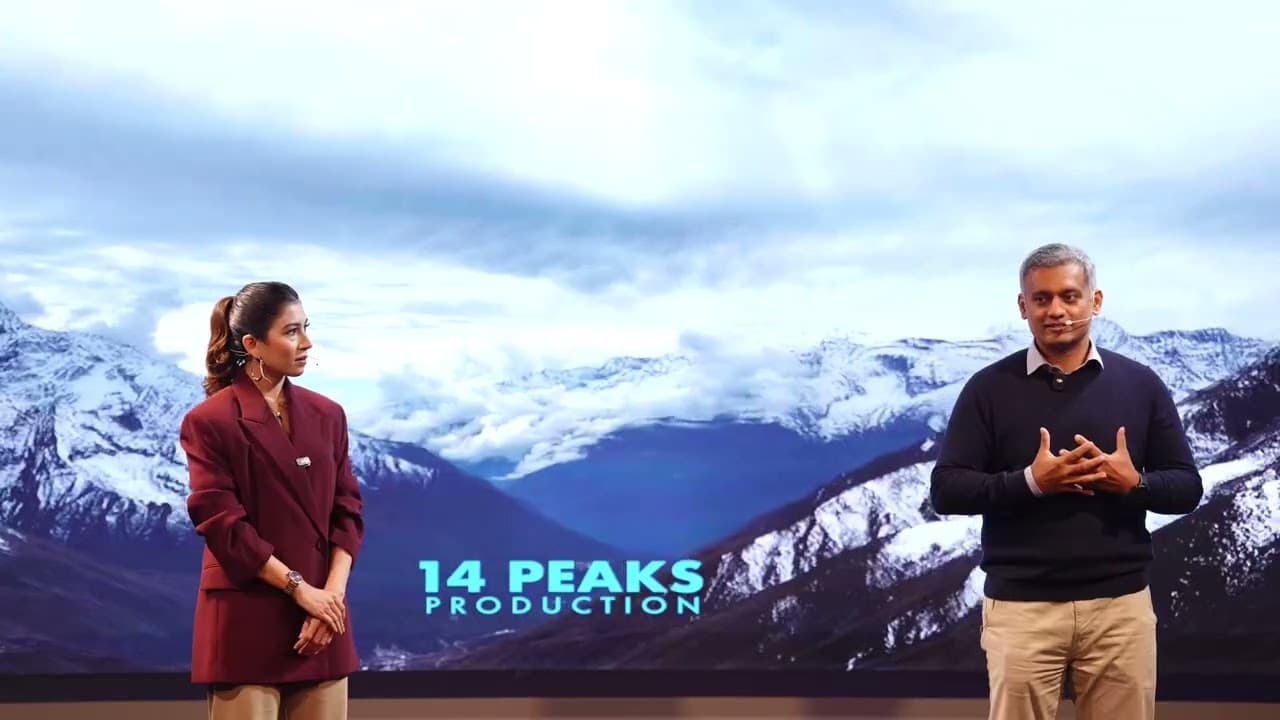
Imagine standing at the edge of the world. Your body is exhausted. Your mind is screaming for you to go back. But you're still moving forward. So that person there standing and refusing to go back is Uzair standing at Everest. That person who refused to go back is me standing at Broad Peak. So mountains at 8,000 m height are the ultimate test of yo... Read More
Key Insights
- Mountaineering at 8,000 meters tests human spirit and resilience.
- Preparation is crucial for success in high-altitude climbing.
- Confidence is important, but overconfidence can lead to failure.
- The right support system is essential for achieving difficult goals.
- Climbing requires acclimatization and gradual progression to higher camps.
- Failures teach as much as successes in mountaineering.
- Having the right equipment and ecosystem is vital for safety.
- The concept of 'on belay' emphasizes the importance of teamwork.
Install to Summarize YouTube Videos and Get Transcripts
Explore YouTube Video Summarizer or Get YouTube Transcript Extractor
Questions & Answers
Q: How does mountaineering test human resilience?
Mountaineering tests human resilience by pushing individuals to their physical and mental limits, especially at altitudes above 8,000 meters. Climbers face extreme conditions, including thin air and harsh weather, requiring them to acclimatize and adapt. The isolation and physical demands challenge one's endurance and mental fortitude, making resilience crucial for success.
Q: Why is preparation important in mountaineering?
Preparation is vital in mountaineering because it ensures climbers are physically and mentally ready to face the challenges of high-altitude environments. Proper training, acclimatization, and having the right equipment are essential to minimize risks. Lack of preparation can lead to serious consequences, as seen in the speaker's experience of overconfidence and inadequate preparation for Everest.
Q: What role does confidence play in climbing mountains?
Confidence plays a crucial role in climbing mountains by providing the motivation and belief needed to tackle challenging ascents. However, it must be balanced with caution to prevent overconfidence, which can lead to underestimating risks and inadequate preparation. The speaker highlights the dangers of overconfidence through personal experiences, emphasizing the need for a realistic assessment of one's abilities.
Q: What is the significance of 'on belay' in climbing?
The term 'on belay' in climbing signifies a safety system where one climber secures another by holding the rope, preventing falls. It emphasizes the importance of teamwork and trust, as each climber relies on their partner for safety. The speaker uses this metaphor to illustrate the need for a support system in both climbing and life, highlighting the role of mutual reliance.
Q: How do climbers acclimatize during high-altitude climbs?
Climbers acclimatize during high-altitude climbs by gradually ascending to higher elevations and then returning to lower altitudes to rest. This process allows the body to adjust to reduced oxygen levels, minimizing the risk of altitude sickness. The speaker describes this as a gradual progression through camps, which is essential for safely reaching the summit of peaks like Manaslu.
Q: What lessons can be learned from failures in mountaineering?
Failures in mountaineering offer valuable lessons by highlighting areas for improvement and reinforcing the importance of preparation and caution. The speaker shares experiences of failing to summit Everest due to overconfidence and inadequate preparation, emphasizing that such failures teach resilience and the need for a realistic approach. Learning from mistakes is crucial for future success.
Q: Why is having the right equipment crucial in mountaineering?
Having the right equipment is crucial in mountaineering to ensure safety and success. Proper gear, such as oxygen bottles and climbing equipment, is essential for navigating extreme conditions and preventing accidents. The speaker recounts a near-fatal incident involving depleted oxygen, illustrating the importance of reliable equipment and the potential consequences of neglecting this aspect.
Q: What is the importance of a support system in achieving difficult goals?
A support system is important in achieving difficult goals because it provides emotional and practical assistance, enhancing resilience and motivation. In mountaineering, having a reliable team can be lifesaving, as demonstrated by the speaker's experience with 'on belay.' This concept extends to life, where a supportive network helps individuals navigate challenges and achieve success.
Summary & Key Takeaways
-
Mountaineering above 8,000 meters challenges both physical and mental limits, requiring climbers to acclimatize gradually. Success is not only about reaching the summit but also about learning from failures and ensuring safety through preparation and teamwork. Confidence must be balanced with caution to avoid overconfidence, which can lead to critical mistakes.
-
The speaker shares personal experiences of climbing Manaslu and attempting Everest, highlighting lessons learned from both success and failure. Proper preparation is emphasized as the key to success, with the need for a supportive team and the right equipment underscored by a near-fatal incident involving depleted oxygen.
-
The metaphor of 'on belay' illustrates the importance of having a support system in place, both in mountaineering and in life. This concept involves having someone to rely on during challenging times, ensuring safety and success through mutual support and trust.
Read in Other Languages (beta)
Share This Summary 📚
Summarize YouTube Videos and Get Video Transcripts with 1-Click
Try YouTube Summary with ChatGPT & Claude or YouTube Transcript Generator
Explore More Summaries from TEDx Talks 📚






Summarize YouTube Videos and Get Video Transcripts with 1-Click
Try YouTube Summary with ChatGPT & Claude or YouTube Transcript Generator