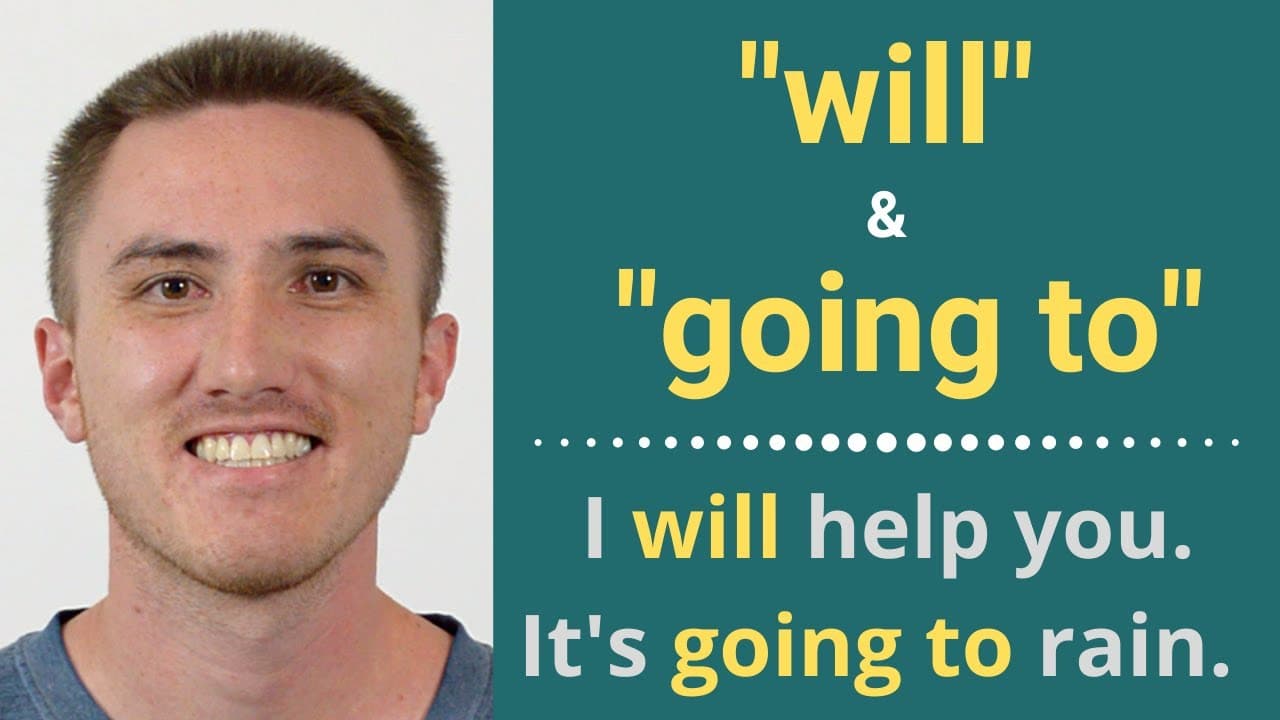
The Difference Between WILL and GOING TO in English
TL;DR
Learn when to use "will" and "going to" correctly in English for talking about the future.
Transcript
what's up guys today i'm gonna teach you the difference between will and going to in english after watching this video you'll know how to use each one correctly like a native speaker before we start remember to subscribe to the channel click on the bell and follow us on instagram alright so most english learners make mistakes when they talk about t... Read More
Key Insights
- ❓ English learners often rely too much on using "will" when talking about the future.
- 💄 "Will" is used when making a decision in the moment, making promises, or offering to do something.
- 🤪 "Going to" is used when discussing plans already made or when there is evidence that something will happen in the future.
- 🤪 "Will" and "going to" can be used interchangeably when refusing to do something or making predictions.
- 🫤 Learning when to use "will" and "going to" correctly is important for speaking English like a native speaker.
- 💁 Subscribing to the channel and following on Instagram will provide more English tips and lessons.
- 🤪 Using "will" and "going to" in sentences and practicing will help improve English language skills.
Install to Summarize YouTube Videos and Get Transcripts
Explore YouTube Video Summarizer or Get YouTube Transcript Extractor
Questions & Answers
Q: When should I use "will" to talk about the future?
You should use "will" when you are making a decision in the moment, making promises, or offering to do something. For example, if you decide to go to a movie with a friend on the spot, you can say "I'll go with you."
Q: When should I use "going to" to talk about the future?
"Going to" is used when talking about plans already made or when there is evidence that something will happen. For instance, if you already planned to buy a new car, you can say "I'm gonna buy a new car tomorrow."
Q: Can "will" and "going to" be used interchangeably in any situations?
Yes, there are a couple of situations where either "will" or "going to" can be used. One is when refusing to do something, for example, saying "We won't comply with these unfair rules" or "We're not going to comply with these unfair rules." They can also be used when making predictions about the future, like "I don't think he'll win the election" or "I don't think he's gonna win the election."
Q: Are there other situations where "will" and "going to" can be used?
While not mentioned in the video, there may be other situations where "will" and "going to" can be used. However, understanding the ones discussed in this video will provide a solid foundation.
Summary & Key Takeaways
-
English learners often make mistakes when talking about the future, relying too much on "will" as the only option.
-
"Will" is used when making a decision in the moment, making promises, or offering to do something.
-
"Going to" is used when discussing plans already made or when there is evidence that something will happen in the future.
Read in Other Languages (beta)
Share This Summary 📚
Summarize YouTube Videos and Get Video Transcripts with 1-Click
Try YouTube Summary with ChatGPT & Claude or YouTube Transcript Generator
Explore More Summaries from Listening Time 📚






Summarize YouTube Videos and Get Video Transcripts with 1-Click
Try YouTube Summary with ChatGPT & Claude or YouTube Transcript Generator