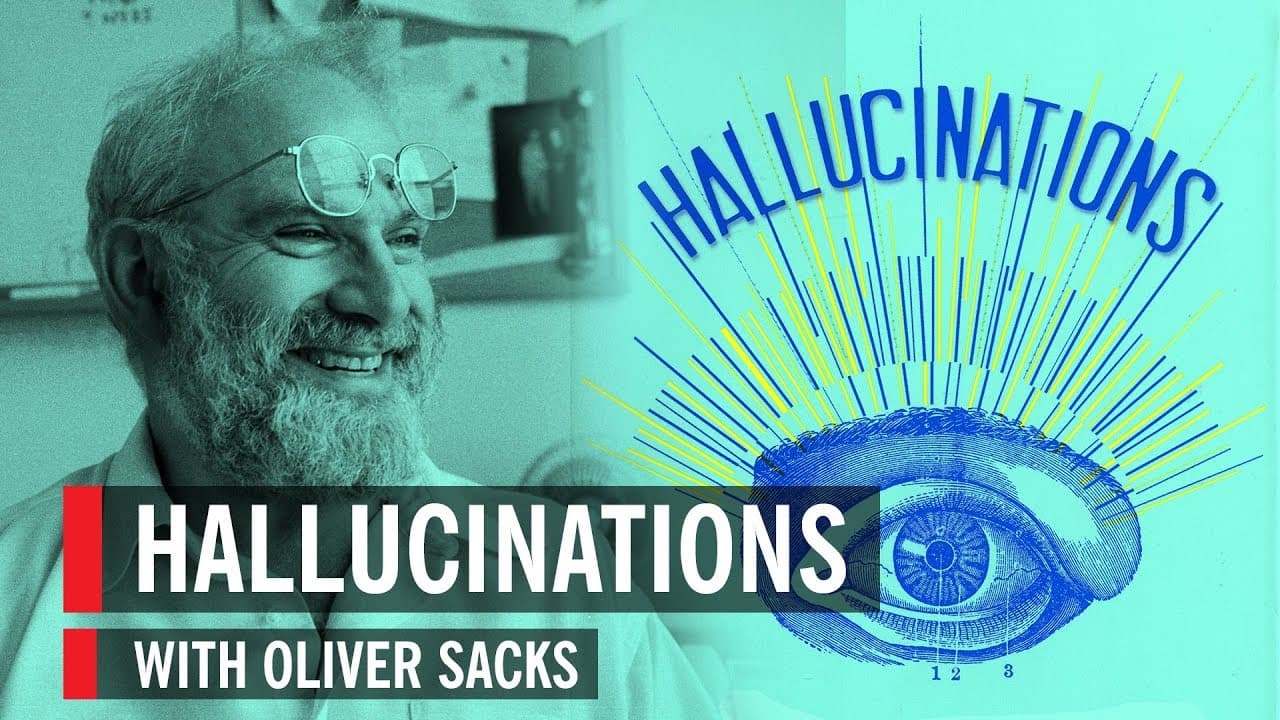
Hallucinations with Oliver Sacks
TL;DR
Hallucinations are a complex phenomenon that provide insight into the brain's ability to create alternative realities and can have both positive and negative effects.
Transcript
so it was after college that the spells became both a burden and a blessing not being able to pull myself out of the paralysis one night i let go and felt myself slowly rising out of my body i had come through the terror part and felt a wonderful peaceful bliss as i rose out of my body and floated up i would feel that the surfaces of various object... Read More
Key Insights
- ❓ Hallucinations can be both a burden and a blessing, providing alternative perceptions of reality.
- 🥺 Different conditions, such as epilepsy and migraines, can lead to hallucinatory experiences.
- 🧠 Hallucinations are an area of ongoing research, and advancements in brain imaging technology may provide new insights into their causes and effects.
- 🫵 Cultural and societal attitudes towards hallucinations can influence how they are viewed and studied.
Install to Summarize YouTube Videos and Get Transcripts
Explore YouTube Video Summarizer or Get YouTube Transcript Extractor
Questions & Answers
Q: What is a hallucination?
A hallucination is a sensory perception that occurs without any external stimuli. It can be visual, auditory, tactile, or olfactory in nature.
Q: Are hallucinations dangerous?
Hallucinations themselves are not inherently dangerous, but they can be distressing and disruptive to daily life, depending on the individual's circumstances and the nature of their hallucinations.
Q: Can hallucinations be induced artificially?
Yes, certain substances or medications, such as LSD or psilocybin mushrooms, can induce hallucinations. However, there are ethical considerations involved in using such substances.
Q: What is the connection between hallucinations and brain activity?
Hallucinations are the result of specific areas of the brain, such as the visual cortex or auditory brain, becoming hyperactive and creating sensory perceptions. The brain treats hallucinations as real experiences.
Summary & Key Takeaways
-
Hallucinations can be both a burden and a blessing, with individuals experiencing a range of sensory perceptions such as visual, auditory, tactile, and olfactory hallucinations.
-
Some hallucinations, such as bereavement hallucinations, can provide comfort and healing for individuals who have lost loved ones.
-
Different conditions, such as epilepsy and migraines, can lead to hallucinatory experiences, and understanding these conditions can provide insights into the brain's organization and functioning.
Read in Other Languages (beta)
Share This Summary 📚
Summarize YouTube Videos and Get Video Transcripts with 1-Click
Try YouTube Summary with ChatGPT & Claude or YouTube Transcript Generator
Explore More Summaries from World Science Festival 📚



Summarize YouTube Videos and Get Video Transcripts with 1-Click
Try YouTube Summary with ChatGPT & Claude or YouTube Transcript Generator