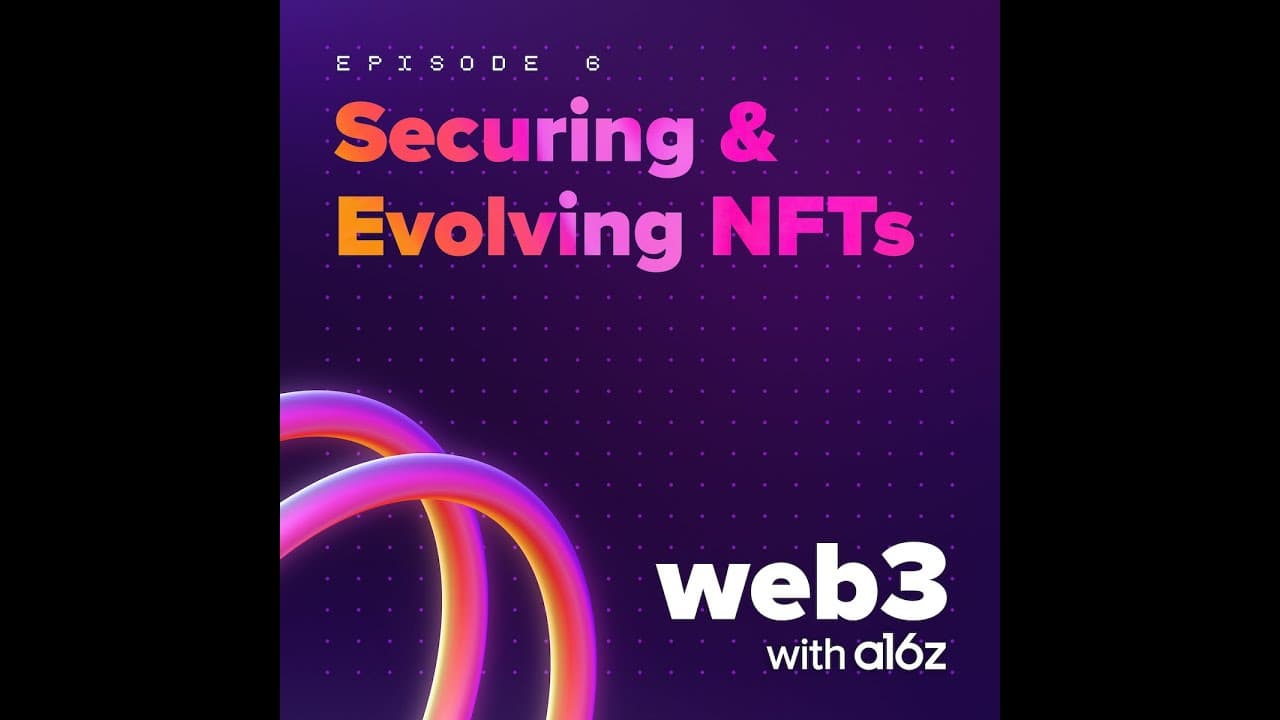
ep 6 – Securing and Evolving NFTs
TL;DR
This episode delves into the security aspects of NFTs, debunking myths and addressing vulnerabilities, and provides insights on best practices for creators, users, and marketplaces.
Transcript
welcome to web3 with a6 and z a show about building the next generation of the internet from the team at asics and z crypto that includes me your host sonal this show is for anyone whether developer artist community leader startup entrepreneur or other builder seeking to understand and go deeper on all things crypto and web3 towards a decentralized... Read More
Key Insights
- 🥰 NFTs offer dynamic possibilities beyond static art, leveraging generative art and the ability to update metadata.
- 🚨 Platforms and standards are emerging to provide easier and more secure methods for creating and interacting with NFTs.
- 😪 Secondary markets and platforms should implement measures to detect and prevent NFT sleep minting, as well as ensure the integrity of metadata and event logs.
- 🔒 Educating users about security best practices, including dedicated browsing environments, cold wallets, and burner accounts, can significantly enhance NFT security.
Install to Summarize YouTube Videos and Get Transcripts
Explore YouTube Video Summarizer or Get YouTube Transcript Extractor
Questions & Answers
Q: What is the content of a smart contract associated with an NFT?
A smart contract for an NFT typically includes an excel spreadsheet-like structure that stores the wallet addresses and token IDs of NFT owners. It also includes code that facilitates the transfer of the NFT, performs ownership checks, and enforces specific rules for transferring the token.
Q: How can NFT creators ensure the security of their projects during the primary sale?
Creators should consider security audits of their smart contracts, especially for custom logic, to identify and address any vulnerabilities. Implementing cryptographic signatures in the minting process can prevent bots from front-running legitimate users. Whitelisting addresses and taking measures to prevent bot-driven minting activities can also enhance security.
Q: What are some security risks associated with NFT secondary sales?
NFT sleep minting is a concern where the marketplace displays false activity on NFTs to create a false perception of popularity. This manipulation can lead users to make fraudulent purchases. Additionally, the mutable nature of metadata linking to the media file poses security risks, as creators can update the off-chain storage location, potentially changing the content associated with the NFT.
Summary & Key Takeaways
-
The episode discusses the components of NFTs, including the art or media, the smart contracts that manage the NFTs, the primary issuance and secondary marketplaces, and token gating.
-
Key security concerns include the potential for malicious code within media files, vulnerabilities in smart contracts, risks associated with bot activity during mints and drops, and the manipulation of metadata and event logs.
-
Best practices for NFT security include thorough security audits of smart contracts, open-sourcing contract code for community review, implementing measures to prevent malicious minting and front-running, and considering the flexibility of metadata and token URIs.
Read in Other Languages (beta)
Share This Summary 📚
Summarize YouTube Videos and Get Video Transcripts with 1-Click
Try YouTube Summary with ChatGPT & Claude or YouTube Transcript Generator
Explore More Summaries from a16z crypto 📚


Summarize YouTube Videos and Get Video Transcripts with 1-Click
Try YouTube Summary with ChatGPT & Claude or YouTube Transcript Generator